


There is a common myth that building a smart home requires a big budget, professional installation, and a wall of expensive gadgets. It does not. You can assemble a genuinely useful, enjoyable smart home for under one hundred dollars, and doing so is actually the smartest way to start, because it lets you learn what you like before committing serious money. A small, well-chosen starter kit delivers most of the daily benefits people associate with smart homes: voice control, automated lighting, scheduling, and remote control, for a fraction of what newcomers expect to spend.
This guide lays out exactly how to build that under-one-hundred-dollar starter kit. It focuses on the categories of devices that give the most value per dollar, in a sensible order, without naming specific models, since prices and products shift constantly. The goal is a foundation you will actually use every day, with room to grow whenever you choose.
The Philosophy of a Budget Smart Home
Before listing what to buy, it helps to adopt the right mindset. A great budget smart home is not about owning the most devices. It is about owning a few devices that each solve a real daily friction and work together reliably. One thoughtfully placed smart bulb you use every evening beats five gadgets gathering dust.
The second principle is to buy in stages even within your budget. Rather than spending the full hundred at once on a pile of devices, start with the core, live with it, and add the next piece once you understand how you actually use it. This avoids waste and ensures every dollar goes toward something you value. With those principles in mind, here is how to allocate a sub-hundred-dollar budget for maximum impact.
The Core of Your Starter Kit
A Smart Speaker or Display (The Brain)
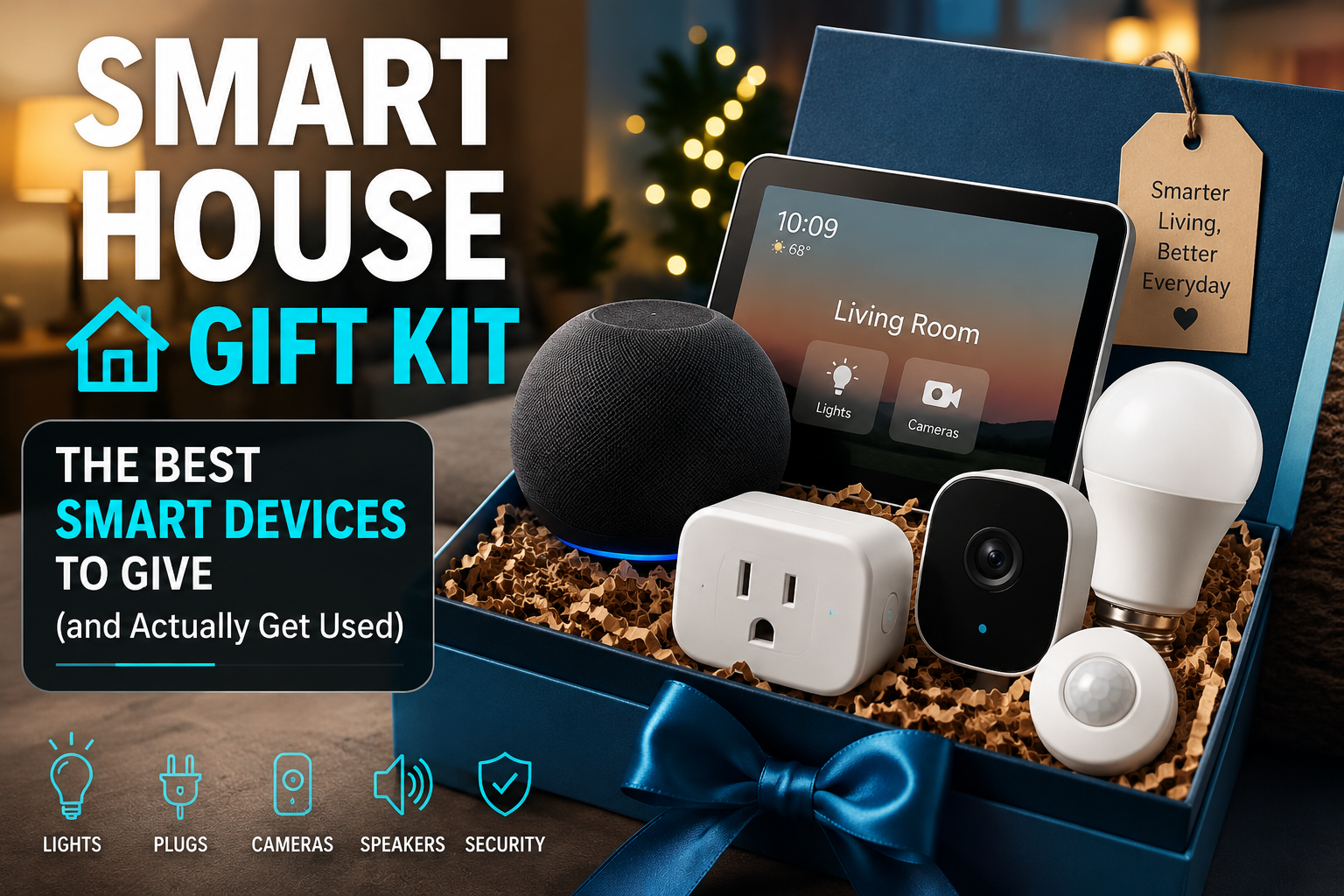
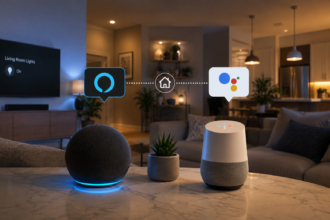
The most valuable single purchase for a budget smart home is an entry-level smart speaker or display. It becomes the brain and voice of your system, letting you control devices by voice, set routines, ask questions, set timers and reminders, and tie everything together. Entry-level speakers are frequently very affordable, especially during sales, and they unlock the hands-free control that makes a smart home feel smart.
Starting here is wise because the speaker amplifies the value of every other device you add. A smart bulb is nice on its own, but a smart bulb you can dim by voice or include in a “good night” routine is far better. The speaker is the hub of the experience, even on a tight budget.
One or Two Smart Bulbs (Everyday Magic)
With your brain in place, smart bulbs deliver the most satisfying everyday benefit for the money. A single smart bulb in a living room or bedside lamp gives you dimming, scheduling, voice control, and automation, the core smart home experience, for a modest price. No tools, no wiring, just screw it in and connect.
Place your bulbs where you will feel the benefit daily: a lamp you use every evening, or a bedside light you would love to control without getting up. One or two bulbs is plenty to start, and within your budget alongside the speaker. This combination alone, a speaker plus a bulb or two, already delivers a genuinely smart home that you control by voice and that lights your evenings automatically.
A Smart Plug (Instant Versatility)
A smart plug is the budget smart home’s secret weapon because it makes almost anything controllable. Plug in a lamp, a fan, a coffee maker, a heater, or holiday lights, and suddenly that ordinary device can be switched on and off by voice, app, or schedule. Smart plugs are inexpensive, require zero installation, and add enormous flexibility for very little money.
A single smart plug rounds out the starter kit beautifully. It lets you automate a device you already own, demonstrating the power of scheduling and remote control without buying anything new beyond the plug itself. For many beginners, the smart plug is where the “I can automate things I already have” realization clicks.
Sample Under-$100 Allocation
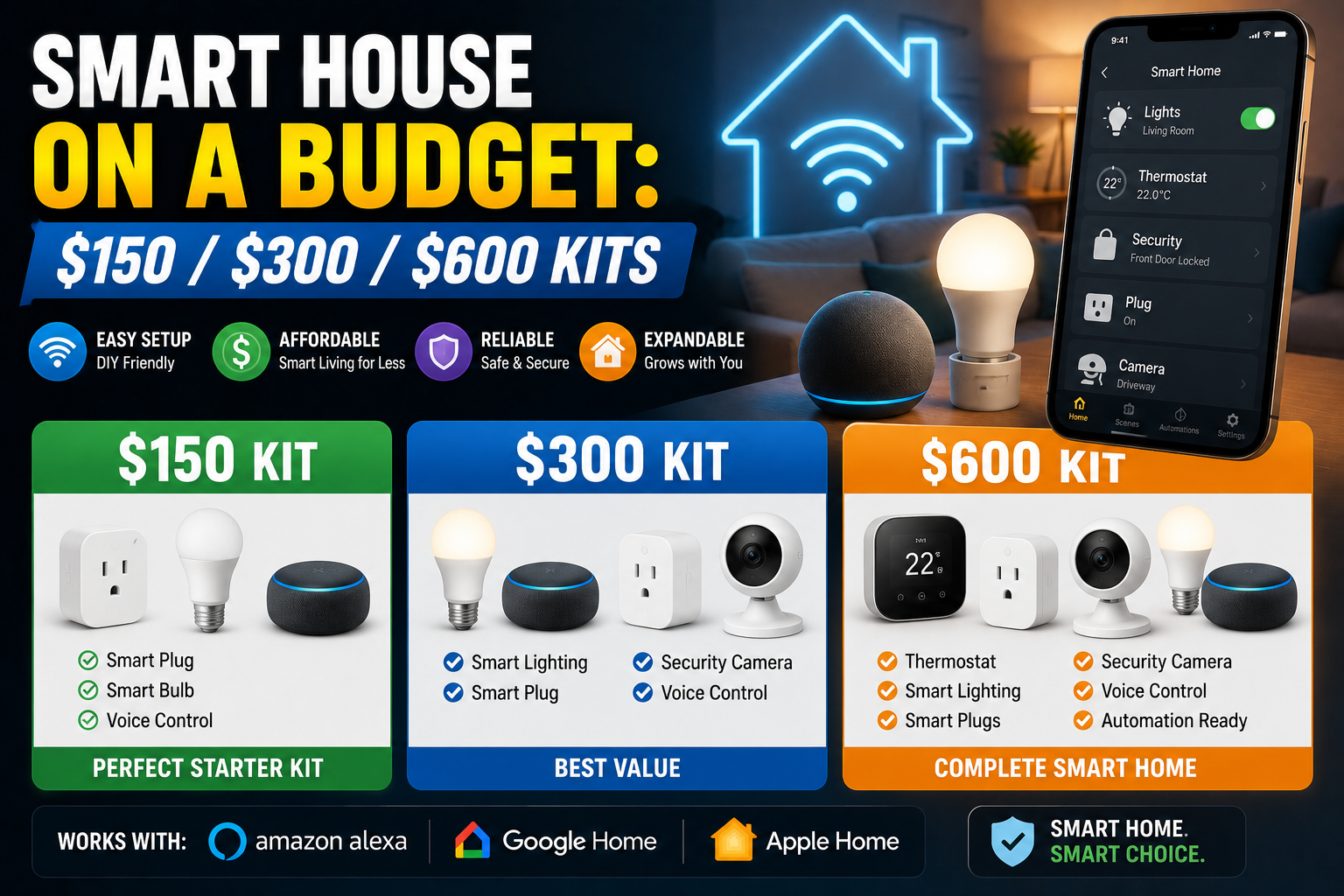
While exact prices vary, a sensible allocation looks like this: dedicate the largest share to an entry-level smart speaker, since it powers everything else. Allocate the next portion to one or two smart bulbs for daily lighting benefit. Reserve a smaller amount for a single smart plug to add versatile control of an existing device. Watch for sales, which frequently bring these categories well within a combined hundred-dollar budget, sometimes leaving room for an extra bulb.
This mix gives you voice control, automated and dimmable lighting, scheduling, routines, and remote control of an existing appliance, the essential smart home experience, comfortably under one hundred dollars. It is a foundation, not a final destination, and it is built entirely from no-installation devices that anyone can set up.
What to Skip on a Tight Budget
Just as important as what to buy is what to leave for later. On a sub-hundred-dollar budget, skip cameras and video doorbells for now, since the good ones, especially with their potential subscription costs, will consume your whole budget and often more. They are worthwhile additions later but not where a budget starter kit should begin.
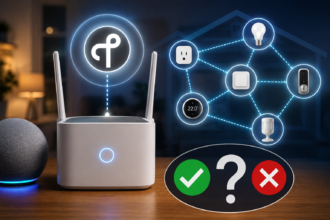
Skip dedicated hubs initially, since Wi-Fi devices connect directly and your smart speaker handles coordination. Skip smart thermostats and smart locks for the moment, as they cost more and may involve installation, making them better second-phase purchases. And resist large multi-device bundles that look like good value but include things you do not yet know you want. Start lean, learn your preferences, and expand deliberately.
Getting the Most for Your Money
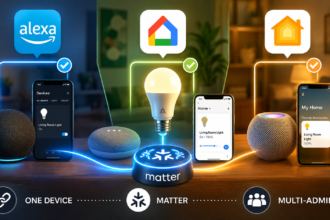
A few habits stretch a small budget further. Shop during major sale periods, when entry-level smart home devices are often heavily discounted, sometimes turning a hundred-dollar budget into noticeably more device for the money. Favor devices that support your chosen platform and ideally carry the Matter logo, so your inexpensive purchases stay compatible and future-proof.
Read recent reviews focused on reliability rather than chasing the absolute cheapest option, since a slightly pricier but dependable device beats a bargain that frustrates you daily. And keep your starter kit in one or two rooms, which makes setup and any troubleshooting simpler while you learn. A focused, reliable budget setup will teach you more, and please you more, than a scattered pile of the cheapest gadgets you could find.
Growing Beyond the Starter Kit
Once your under-one-hundred-dollar foundation is working and you understand how you use it, expanding is easy and can stay affordable. Add more smart bulbs room by room. Introduce a video doorbell when security moves up your priority list. Consider a smart thermostat when you want to tackle heating and cooling costs. Each addition builds on the brain and habits you established with your starter kit.
Because you started small and learned your preferences, every future purchase will be better informed. You will know whether you value color lighting, how much you use voice control, and which automations genuinely improve your day. That knowledge, gained cheaply through a modest starter kit, is what turns a smart home from an expensive gamble into a series of confident, satisfying upgrades.
The Bottom Line
You absolutely can build a real, useful smart home for under one hundred dollars, and starting small is the smartest possible approach. Anchor your kit with an affordable smart speaker as the brain, add one or two smart bulbs for daily lighting magic, and include a smart plug to control a device you already own. Skip the expensive cameras, hubs, thermostats, and bundles until later. Shop sales, favor Matter-compatible devices, and prioritize reliability. This lean, no-installation foundation delivers the core smart home experience affordably and teaches you exactly how to spend your money well as you grow.
Frequently Asked Questions
Can you really build a smart home for under $100?
Yes. An entry-level smart speaker, one or two smart bulbs, and a smart plug together deliver voice control, automated lighting, scheduling, and remote control of an existing device, all comfortably under one hundred dollars, especially during sales. It is a genuinely useful foundation, not just a token setup.
What should I buy first on a tight budget?
Start with an affordable smart speaker or display. It acts as the brain and voice of your system and amplifies the value of every other device. With the speaker in place, add a smart bulb and a smart plug to complete a capable starter kit within budget.
Should I buy a camera or doorbell with my first $100?
Generally no. Quality cameras and video doorbells, especially with potential subscription costs, can consume your entire budget and more. They are worthwhile later additions but not where a budget starter kit should begin. Focus your first hundred dollars on a speaker, bulbs, and a plug.
Do I need a hub for a budget smart home?
No. Wi-Fi smart bulbs and plugs connect directly to your router, and your smart speaker handles coordination, so a dedicated hub is unnecessary for a budget starter kit. Skipping the hub keeps your setup simple and your spending focused on devices you will use.
How do I make my $100 go further?
Shop during major sale periods when smart home devices are heavily discounted, favor devices that support your platform and carry the Matter logo for future-proofing, prioritize reliable well-reviewed products over the absolute cheapest, and keep your setup focused in one or two rooms to simplify learning.