








Most homes fight the same losing battle every season: one thermostat trying to keep an entire house at a single temperature, while some rooms run cold and others run hot depending on sun exposure, floor level, or how far they sit from the vents. The bedroom upstairs is stuffy by 9pm. The home office over the garage never quite warms up in winter. The living room with the west-facing windows overheats every afternoon regardless of what the thermostat says. Adjusting the thermostat fixes one room and makes the imbalance in the others worse.
- Why One Thermostat Isn’t Enough
- Step One: Confirm This Is a Duct Problem
- How Smart Vent Systems Actually Work
- The Energy Savings Claim, Checked Against Reality
- Why Closing a Regular Vent by Hand Is a Different Story
- When Smart Vents Are the Right Fit
- When to Skip Vents and Use Something Else
- What Installation and Setup Actually Involve
- Building a Whole-Home Zoning Strategy
- Conclusion
- Sources
Proper zoning — separate temperature control for separate parts of the house — has traditionally meant a professional HVAC contractor, multiple dampers wired into the ductwork, and a bill running into the thousands. Smart vents change that math. They retrofit into the ducts and registers you already have, communicate wirelessly with a sensor and a hub, and let each room hold its own target temperature without anyone touching a wrench.
Why One Thermostat Isn’t Enough
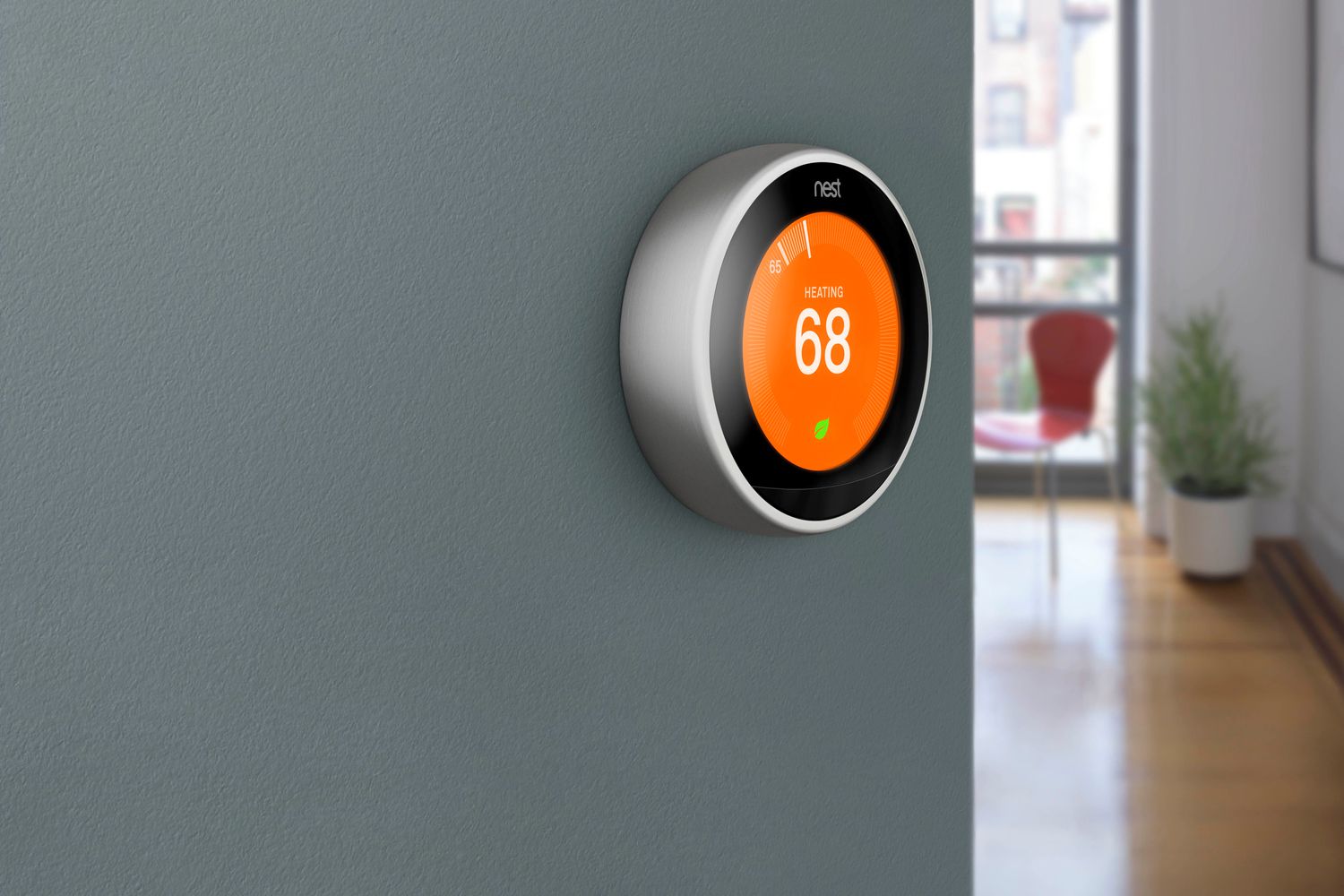
A standard central HVAC system reads temperature at exactly one point in the house — wherever the thermostat happens to be mounted, usually a hallway — and runs the whole system to satisfy that single reading. Every other room is at the mercy of duct length, insulation quality, sun exposure, and how many vents happen to be nearby. A bedroom at the end of a long duct run routinely lags 3–5°F behind the room where the thermostat sits, and a sunroom or west-facing living room can run just as far ahead of it.
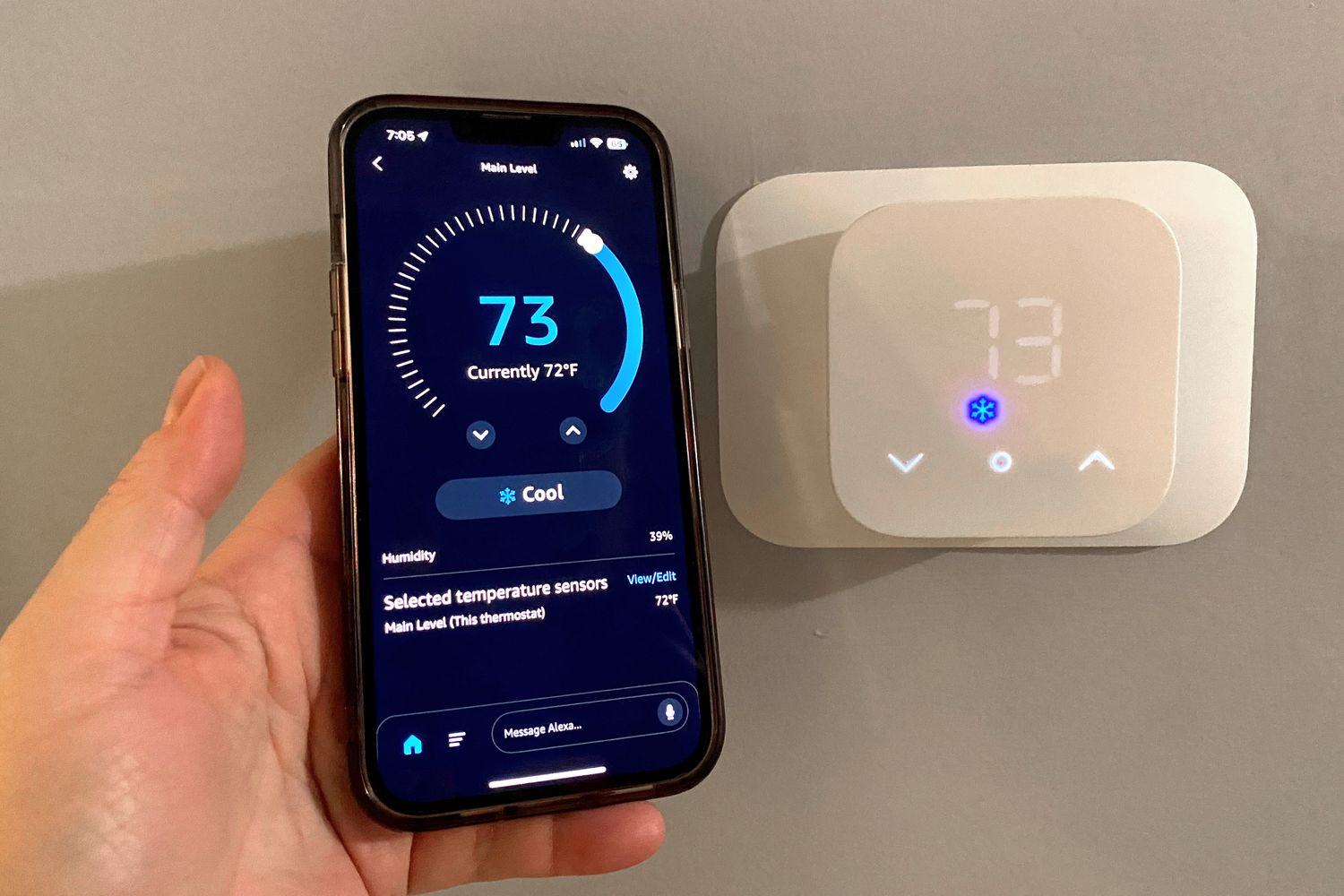
This isn’t a flaw in any particular thermostat — even the smartest learning thermostat on the market is still working from a single sensor unless it’s paired with room sensors or a zoning system underneath it. The imbalance is structural, and it shows up as the classic complaints: closing doors to trap heat, running a space heater in one room while the rest of the house is plenty warm, or setting the thermostat two degrees off just to make one problem room tolerable at the cost of comfort everywhere else.
Step One: Confirm This Is a Duct Problem
Before buying anything, spend a few days figuring out whether the imbalance is really about airflow or about something else entirely. A cheap temperature and humidity sensor (the Govee or Aqara sensors covered in our humidity control guide work fine here too) placed in the problem room for a week will tell you a lot. If the room consistently lags or overshoots the thermostat reading by several degrees at the same times of day, that’s a strong signal the issue is airflow distribution — exactly what vent zoning fixes.
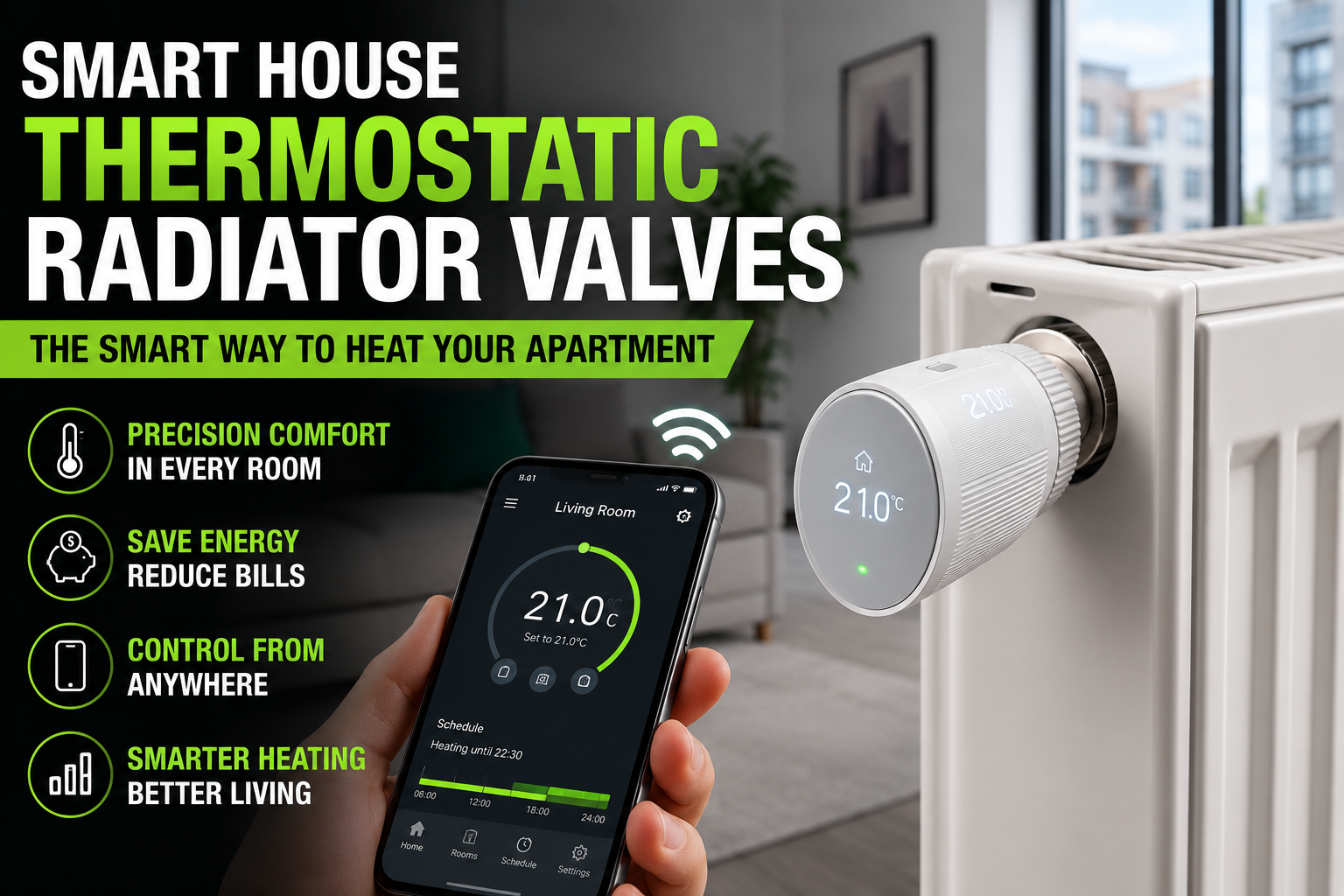
If instead the room swings wildly and unpredictably, or the vent barely pushes any air even fully open, the cause might be a duct leak, an undersized duct run, or a closed damper somewhere upstream — problems a smart vent can’t solve and that are worth a quick check (or a contractor visit) before spending money on zoning hardware. And if the room in question is heated by a radiator rather than forced air, the fix isn’t vents at all — see our guide on thermostatic radiator valves instead, which solves the same room-by-room problem on hydronic systems.
How Smart Vent Systems Actually Work
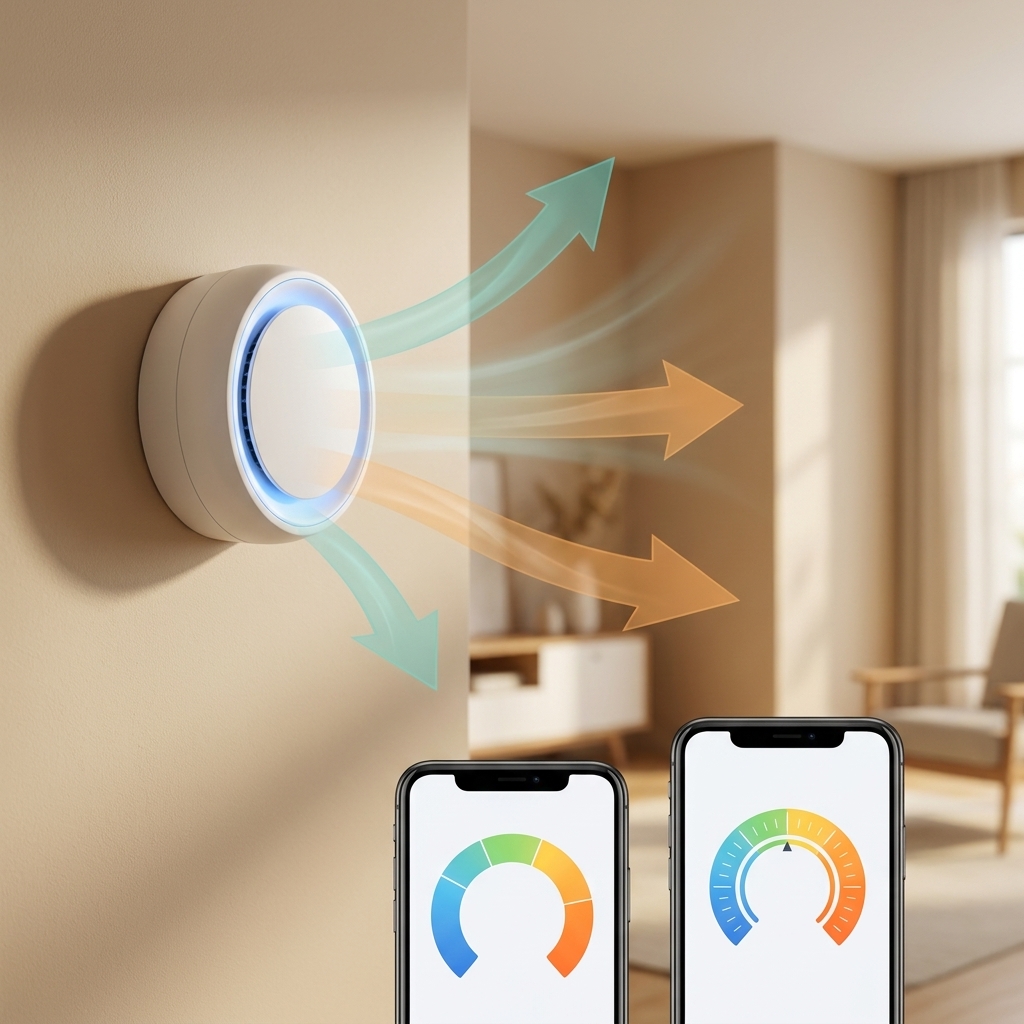
A smart vent system has three parts: motorized vent covers that replace your existing registers, a room sensor (or several) that reads actual temperature where people sit rather than where the thermostat happens to be, and a hub or app that ties the two together and decides how far each vent should open or close.
When a room reaches its target temperature, its vent gradually closes, redirecting airflow toward rooms that are still catching up. When that room drifts away from target again, the vent reopens. The system runs continuously in the background, rebalancing air distribution room by room every few minutes rather than leaving it fixed at whatever position it happened to be in when the ducts were installed.
Flair Smart Vents (around $90–100 per vent, plus a $70 Puck hub required for full automation) are the most established option and work with most existing register sizes; they integrate with several major smart thermostats and can run through Apple HomeKit or a dedicated app. Keen Home Smart Vents are a similar concept at a comparable price point, with slightly simpler app-only control and no separate hub required for basic scheduling. Both are designed to retrofit into a standard rectangular register opening — measuring your existing vents before ordering is the one step people skip and regret.
One nuance worth understanding: closing vents increases static pressure in the ductwork, and older or poorly designed HVAC systems aren’t always tolerant of too many closed vents at once. Reputable smart vent systems build in pressure-relief logic that prevents closing more than a set percentage of total vents system-wide, but it’s worth checking that any system you choose explicitly manages this rather than closing vents purely based on room targets with no regard for total system airflow.
The Energy Savings Claim, Checked Against Reality
Most smart vent manufacturers and a good share of HVAC contractor sites cite the same headline figure: 20–40% savings on heating and cooling costs, sometimes traced back to a Department of Energy estimate that whole-home zoning can cut space-conditioning energy use by up to 30% annually. That figure is real, but it describes a properly engineered, professionally installed zoning system with dampers sized for the ductwork and a control board tuned to the specific HVAC unit — not a bag of retrofit vent covers dropped into existing registers.
Independent testing tells a more modest story. A field study out of Minnesota found that smart damper retrofits performed close to as intended, but in some installations actually increased duct losses and reduced total airflow, which partly offset the efficiency gains — and the researchers specifically flagged that static pressure in the main duct branch often needed adjustment before real savings showed up. Consumer testing organizations that have evaluated retrofit smart vent platforms directly put realistic whole-home savings closer to single digits — nearer 5% than the 20–40% figure used in marketing — while noting plainly that the vents don’t fix an inefficient HVAC system by themselves.
None of this means smart vents aren’t worth installing. It means the honest case for them is comfort, not a dramatic cut to your utility bill. If a room routinely runs several degrees off from the rest of the house, a smart vent system will fix that — reliably and without ductwork changes. If your goal is a specific percentage reduction on your energy bill, that number is more likely to land in the single digits than the range you’ll see in most product marketing.
Why Closing a Regular Vent by Hand Is a Different Story
It’s worth separating what smart vents do from the old advice about manually closing vents in unused rooms to save money — because they’re not the same thing, and the manual version is largely a myth. Forced-air systems are engineered to move a specific volume of air across a specific number of open registers. Physically shutting vents in a few rooms doesn’t reduce how much air the blower moves; it just increases resistance in the duct system, raising static pressure and often making the blower work harder for the same output. Research on this specific practice consistently finds it does little to nothing for energy use, and can occasionally increase consumption rather than lower it.
Smart vent systems avoid this failure mode because they’re engineered around it: they track how many vents are closed system-wide and stop closing additional ones once pressure approaches a safe threshold, keeping the blower operating within the range it was designed for. That’s the meaningful difference between a smart vent system and the DIY habit of shutting a few registers and hoping for the best — one manages pressure deliberately, the other ignores it entirely.
When Smart Vents Are the Right Fit
Smart vents make the most sense in a home with one central HVAC system and rooms that consistently run hot or cold relative to each other — the upstairs-versus-downstairs imbalance, the sunroom that overheats, the far bedroom that never quite catches up. If you already have decent ductwork and reasonably sized vents in every room, retrofitting motorized covers into the existing openings is a straightforward afternoon project per room, no contractor required.
They’re also a good fit for homes where a full zoned HVAC retrofit isn’t in the budget or isn’t practical — older homes, rentals where major ductwork changes aren’t an option, or anyone who wants to test whether zoning actually solves their comfort problem before committing to a more expensive permanent solution.
When to Skip Vents and Use Something Else
If the imbalance is bad enough that even a fully open vent barely moves air into a room, the underlying duct sizing is the actual problem, and vents will only manage a bad situation rather than fix it — that’s a conversation for an HVAC technician, not a smart home purchase.
If your home doesn’t use forced-air ducts at all — radiators, baseboard heating, or a ductless mini-split system — smart vents have nothing to attach to. Radiator-based systems are better solved with smart thermostatic radiator valves, and mini-split systems typically already offer per-room control through their own smart controllers, making additional vent hardware redundant.
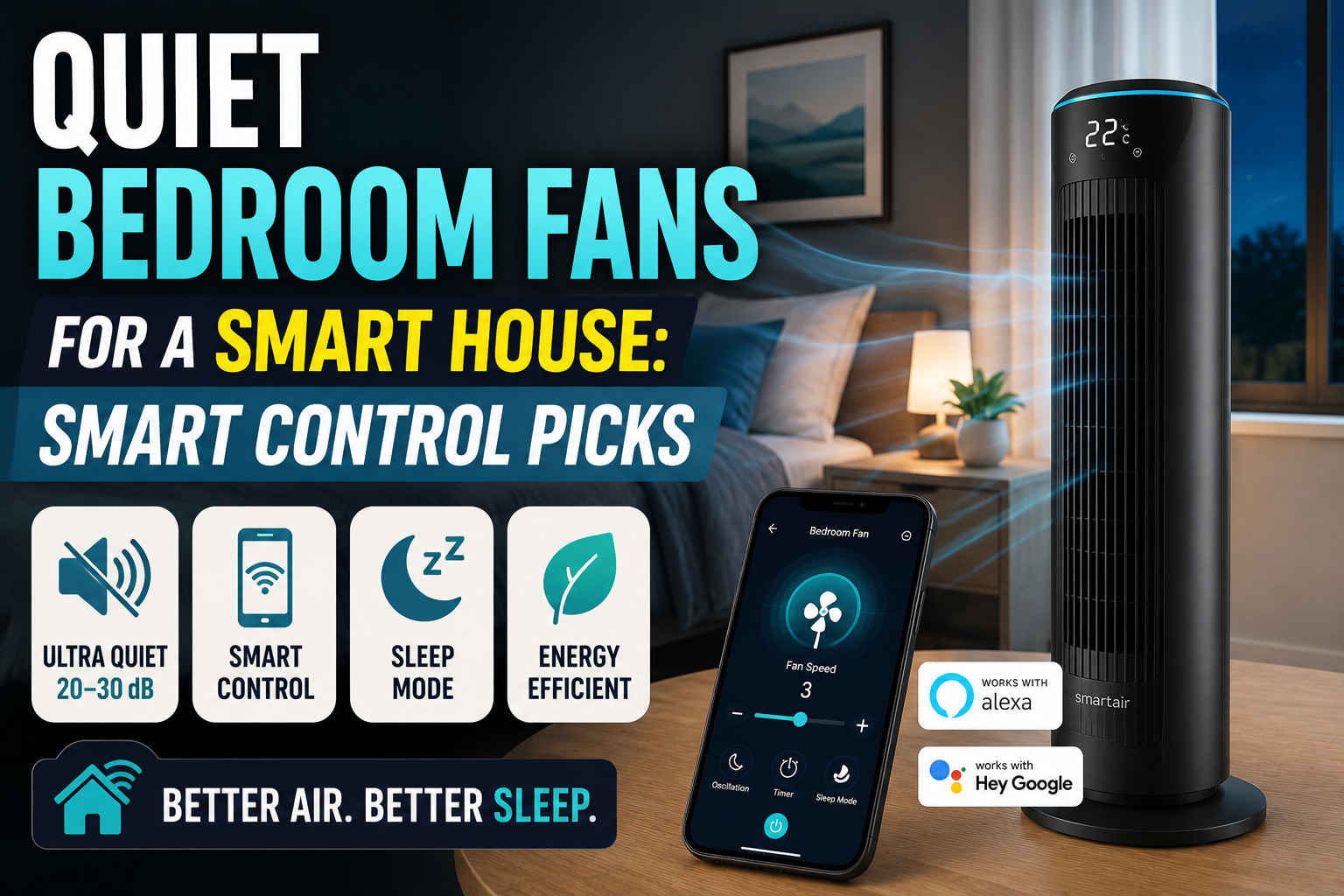
And for a single problem room rather than a whole-home imbalance, a simpler and cheaper fix is often enough: a smart plug on a supplemental space heater or the quiet bedroom fans already covered on this site, triggered by a room sensor, can close most of the gap without touching the ductwork at all.
What Installation and Setup Actually Involve
Physically, installing a smart vent is closer to swapping a light fixture than doing any kind of HVAC work. Most retrofit vents drop into a standard register opening in under five minutes, secured the same way the existing cover was, with no drilling or duct modification. Measure the register opening first — smart vents come in a handful of standard sizes, and ordering the wrong one is the single most common install mistake.
Power is the other practical decision. Battery-powered vents (typically running two to four years on a pair of C batteries) are the simpler retrofit and work in any register location, including ones with no nearby outlet. Hardwired vents (24VAC, tied into the HVAC system’s low-voltage wiring) need a bit more work to install but never need battery changes — worth considering for a vent in a hard-to-reach spot like a ceiling register or a stairwell.
Most systems also require a central hub or bridge — a small device plugged in near the furnace or router that lets the vents, room sensors, and app communicate — beyond just the vents themselves. Factor that into the budget before ordering: a single vent is a modest purchase, but the hub is usually a one-time cost shared across every vent you add afterward, so pricing out a two- or three-room zoning project up front avoids the surprise of a mandatory add-on after the first vent arrives.
Once installed, expect a short calibration period. The system needs a few days of watching how quickly each room’s temperature responds to open and closed vent positions before its automation starts behaving predictably — this is normal and not a sign anything is misconfigured.
Building a Whole-Home Zoning Strategy
Zoning works best treated as a system rather than a single-room fix. Start with the room causing the most daily frustration — usually the one furthest from the thermostat or the one with the most extreme sun exposure — and place a sensor there for a week before buying anything, per the diagnostic step above.
Once you’ve confirmed the airflow imbalance, install vents room by room rather than all at once. This lets you tune the pressure-relief settings gradually and confirm the system is actually rebalancing airflow as expected before committing to covering an entire house. A common sequence: the worst room first, then the thermostat’s own room (so it isn’t fighting against a system optimizing for other zones), then the remaining rooms in order of how much they currently swing from target.
The rooms that don’t get a dedicated vent still benefit indirectly — as air gets redirected away from rooms that have already reached target, more of it flows to whichever rooms remain open, gradually pulling the whole house toward a more even baseline even before every room has its own vent installed.
Conclusion
The temperature imbalance most homes live with isn’t a sign that the thermostat is bad or that the HVAC system is failing — it’s the predictable result of one sensor trying to represent an entire house. Smart vents fix the actual mechanism causing the imbalance: they redirect airflow to where it’s actually needed, continuously, without anyone adjusting a damper by hand.
Measure first. A week of sensor data in the room that bothers you most will tell you whether this is genuinely an airflow problem before you spend anything on hardware. From there, one vent in the worst room is enough to tell you whether the rest of the system is worth building out — and for most homes fighting the same hot-room, cold-room argument every season, it is.
Sources
- Center for Energy and Environment, Energy Savings from Residential Zoned Air Distribution Systems, field study on smart damper performance and duct static pressure
- Slipstream, Can Smart Vents Save Energy in Residential HVAC Systems?
- Revival Heating & Cooling, Are Smart Vents Worth the Investment?, citing U.S. Department of Energy zoning estimates
- Lawes Company, Wall Vents Open or Closed: HVAC Savings Myths Debunked
- Builder Online, What’s the Difference Between Smart Vents and Zone Heating?