
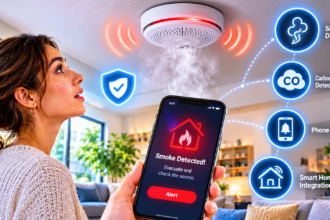

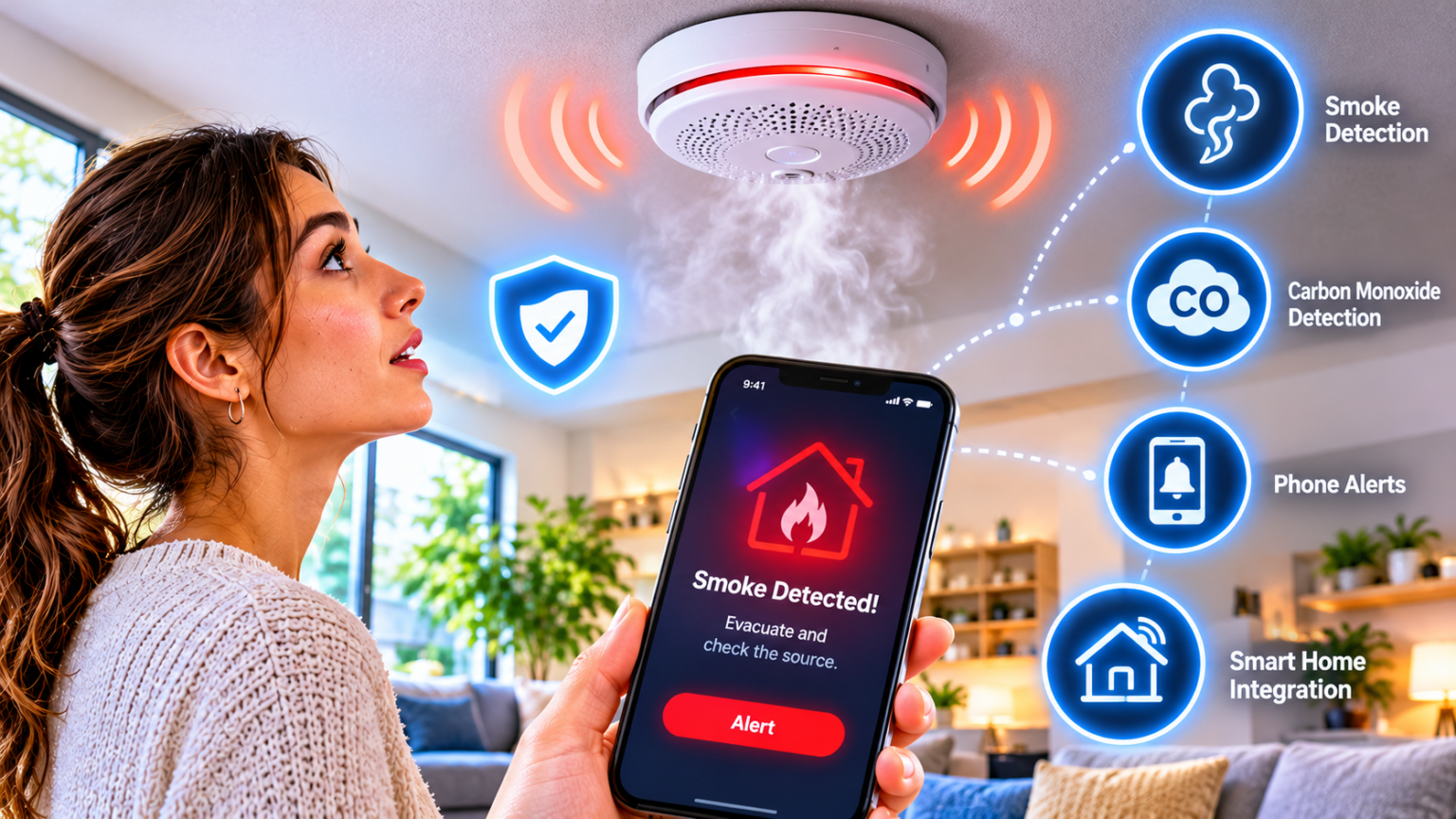
The best smart smoke and carbon monoxide detectors are certified alarms that sound locally on their own, then add phone alerts, interconnection, and clear status reports on top. Put one in every bedroom, outside sleeping areas, and on every level, and test them on a schedule.
This guide explains what to protect, how to read the specs, how to compare types, and how to connect everything to your smart home. If you are still building your basics, start with our guide to smart home security for beginners.
How to Plan Smart Smoke and CO Protection Before You Buy
Smoke and carbon monoxide alarms are the most important devices in a smart home. They are also the easiest to get wrong, because a smart feature is only a bonus. The alarm itself must work when the power is out, the Wi-Fi is down, and the app is closed.
Planning has two parts. First, you understand the two dangers and how alarms detect them. Second, you decide where each device goes, based on how your home is laid out.
Understand the Two Dangers: Smoke and Carbon Monoxide
Smoke and carbon monoxide (CO) are different problems, and they need different sensors. Many products combine both in one housing, but it helps to know what each one does.
Smoke comes from fire. Fires can burn fast with open flames, or slowly as a smoldering fire, such as a cigarette in a sofa or an overheated wire in a wall. Smoke alarms detect particles in the air and sound a loud alarm to wake you.
Carbon monoxide is a colorless, odorless gas produced when fuel burns incompletely. Gas furnaces, water heaters, stoves, fireplaces, and car engines can all produce it. Because you cannot see or smell it, a CO alarm is the only practical way to know it is present.
This is not the same as carbon dioxide (CO₂). CO₂ is the gas you exhale, and a CO₂ monitor tells you when a room needs fresh air. It is not a substitute for a CO alarm. Our guide to CO₂ monitors explains the difference in detail, and the two devices do very different jobs.
Smoke alarms use two main sensor types:
- Ionization sensors tend to respond faster to fast, flaming fires.
- Photoelectric sensors tend to respond faster to slow, smoldering fires and produce fewer false alarms from cooking.
- Dual-sensor alarms combine both technologies, which gives broader coverage.
Many fire safety organizations suggest using photoelectric or dual-sensor alarms, and local rules vary. Check the requirements in your area, and look for products with recognized safety certification on the box.
Next, think about where danger starts. Use this simple checklist:
- Kitchens are the most common source of home fires, but a smoke alarm too close to the stove will trigger on cooking fumes.
- Bedrooms matter because people sleep through quiet warnings. A working alarm in every bedroom is a basic rule.
- Hallways outside bedrooms protect sleeping areas and give an early warning.
- Basements and utility rooms often contain furnaces, water heaters, and electrical panels.
- Garages are a source of CO from running vehicles. Our guide to a smart garage setup covers remote monitoring that pairs well with alarm planning.
- Every level of the home needs at least one alarm, including the attic or basement if they are used.
A word on who needs extra protection. Older residents may have trouble hearing high-pitched alarms. Heavy sleepers may not wake to a standard sound. Children may not react the way adults expect. Our guide to smart home kits for aging in place covers devices that help in these situations.
If you rent, the rules differ. In many places, the landlord must provide working alarms, and you may not be allowed to replace them. Ask before you swap anything. If you are allowed, sealed-battery models with a long life are easy to install and need no wiring.
If you own your home, you have more freedom. Hardwired alarms connect to your household power, usually with a battery backup, and can be interconnected. Installation of hardwired units should be done by a qualified electrician, and local building codes may apply.
One rule matters above all: a smart alarm must work without the smart part. If your internet fails, the alarm must still sound. If your phone is off, the alarm must still wake you. Treat smart features as a second layer, never the first.
Finally, remember that smart alarms are not a replacement for professional monitoring or for your own safety plan. A fire escape plan, a meeting point outside, and a working alarm in every sleeping area are the foundation.
Read the Specs: Certification, Interconnection, and Smart Features
Alarm boxes are full of claims. A few specs matter, and the rest are marketing.
Certification is the first check. Look for recognized safety listings in your country, such as UL in the United States or EN standards in Europe. An alarm without clear certification is not worth the risk, however smart it sounds.
Power type matters for reliability. The main options are:
- Battery-powered alarms are easy to install anywhere. Look for sealed, long-life batteries that last years, so you do not need to change them often.
- Hardwired with battery backup alarms connect to household power and keep working during an outage. They are common in new builds and renovations.
- Plug-in with battery backup alarms plug into an outlet, which makes them simple for renters, though outlet placement may not match ideal alarm placement.
Interconnection is a key feature. When one alarm detects a problem, all connected alarms sound together. In a large home, this matters, because a fire in the basement may be too far away for you to hear from the bedroom. Interconnection can be wired, wireless, or through your smart home network.
Alarm lifespan is easy to overlook. Smoke alarms wear out and are commonly replaced about every ten years. CO alarms often have a shorter or similar lifespan, depending on the model. Check the date printed on the back, and follow the manufacturer’s guidance.
Voice alerts are useful. Some alarms announce the location of the problem, such as “smoke in the kitchen,” which helps you respond. They can also be clearer than a simple beep, especially for children.
Smart features are the extras that make these alarms worth upgrading. Useful ones include:
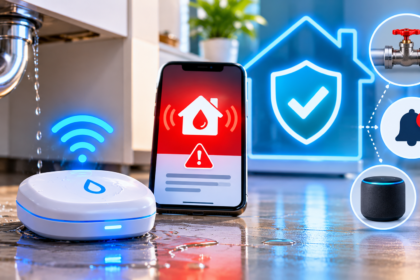
- Phone notifications when an alarm sounds, even when you are away.
- Low-battery and end-of-life alerts in the app, so you never rely on a chirp at 3 a.m.
- Silence from the app for a nuisance alarm, such as burnt toast, when it is safe to do so.
- Self-test reports that confirm the sensors and siren are working.
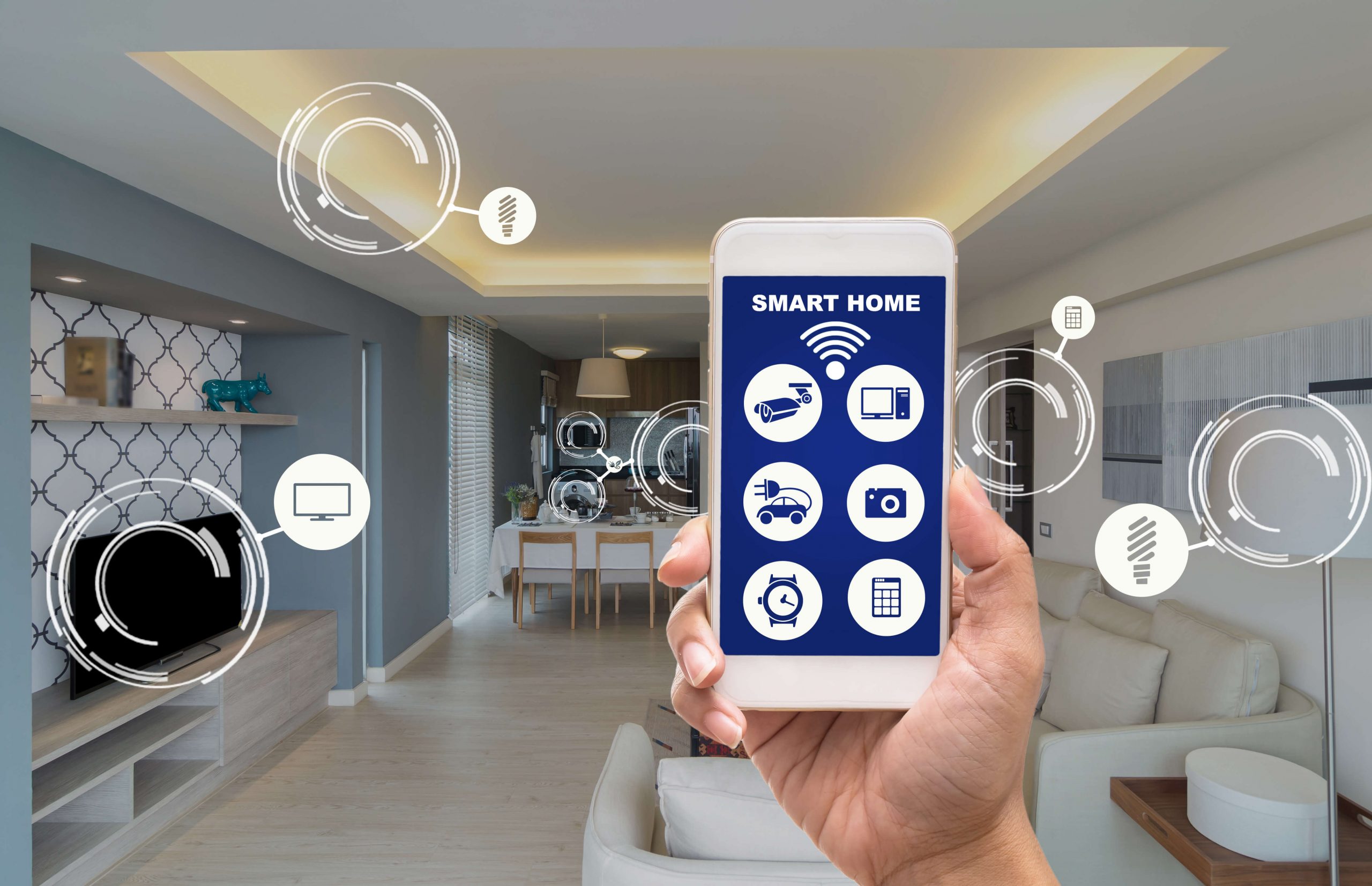
- Smart home integration for lights, locks, and automations.
Connection type matters, too. Wi-Fi is simple but can drain batteries. Thread, Zigbee, and Z-Wave options often last longer. Our explainer on Matter multi-admin shows how one device can work across several ecosystems. If an alarm keeps losing its connection, our guide to why smart devices go offline explains how to improve coverage.
A few things to avoid:
- Uncertified alarms sold only on price. Safety is not the place to save a few dollars.
- Smart-only devices that depend on the internet to sound an alarm.
- Old alarms past their date. Replace them even if they still seem to work.
- Mixing random brands in an interconnected system, unless the manufacturer says they are compatible.
Then think about placement rules. These vary by country and model, so always follow the manual. As a general guide:
- Ceilings or high on walls work best for smoke, since smoke rises.
- Keep a gap from the corner where walls meet the ceiling, since air can be still there.
- Stay away from kitchens and bathrooms where steam and cooking fumes cause false alarms. Place the alarm a sensible distance away, or use a model designed for kitchens.
- Place CO alarms near sleeping areas and on every level, as the manufacturer advises.
- Avoid vents, fans, and windows that blow air past the sensor.
Finally, plan testing. A common guideline is to test every alarm monthly and to replace batteries as directed. Smart alarms can remind you, but you should still press the test button now and then, because it checks the full chain from sensor to siren.
Smart Smoke and CO Detector Types Compared, Plus Setup and Automations
Once you know the dangers and the specs, you can compare real options. There are four common types, and each fits a different home.
Here is a side-by-side comparison.
| Type | Best for | Main strength | Main drawback | Install effort |
|---|---|---|---|---|
| Sealed-battery smart alarm | Renters, quick upgrades | No wiring, long battery life | Not interconnected with wired units | Very low |
| Hardwired smart alarm | Owners, renovations | Reliable power, interconnected | Needs an electrician | High |
| Smart smoke and CO combo | Most homes | One device covers both dangers | Replace the whole unit at end of life | Low to medium |
| Smart add-on for existing alarms | Homes with working alarms | Adds phone alerts to old units | Limited features, depends on the alarm | Low |
A few notes help you read this table.
Sealed-battery alarms are the easiest option for most renters. They mount with simple screws or adhesive, and the battery lasts for years. Check that the model is certified and has a clear lifespan date.
Hardwired alarms are the best choice for new builds and major renovations. They connect to household power and keep a battery as backup. They can be interconnected across the whole home, which is a major safety advantage.
Combination units cover smoke and CO in one device, which simplifies placement and reduces clutter. The tradeoff is that the unit must be replaced when either sensor reaches end of life.
Add-on devices attach to an existing alarm and send an alert when it sounds. They are a cheap way to add notifications, but they depend on the alarm they listen to, so treat them with care.
A word on how this fits with other security devices. Smoke and CO alarms work alongside your other sensors. Our guide to no-drill contact and motion sensors explains how to place those, and our guide to a DIY alarm without monthly fees shows how to combine several sensor types into one system.
A note on ecosystems. If you already use Apple Home, Google Home, or Alexa, choose alarms that work with your platform. Check that the app supports notifications for every alarm type, not just smoke.
How to set up a smart smoke and CO alarm, step by step:
- Read the manual. Placement and spacing rules vary by model and by country, so check them first.
- Plan your layout. Mark a spot in every bedroom, in each hallway outside sleeping areas, and on each level.
- Mount the alarm. Use the supplied bracket, and keep it clear of vents, corners, and kitchen steam.
- Activate the battery. For sealed units, pull the tab or press the button as instructed.
- Connect it to your app. Join your Wi-Fi or hub, and name the alarm clearly, such as “Hallway Smoke and CO.”
- Test the alarm. Press the test button and confirm the siren sounds and the phone alert arrives.
- Record the date. Write the install date and the replacement date on the back, and set a reminder in your calendar.
When the alarms are running, automations turn warnings into action. Here are five worth setting up. Treat all of them as extras on top of the alarm itself.
Five automations for fire and CO safety:
- Lights on: When an alarm sounds, turn on all lights so the path to exits is clear.
- Path lighting: Light the hallway and stairs at full brightness. Our guide to motion-sensor lighting explains how lights and sensors work together.
- Notify contacts: Send an alert to family members or trusted neighbors, especially if nobody is home.
- Away alert: When the house is empty, send a high-priority alert if any alarm sounds or goes offline. Our guide to welcome home automations explains how presence detection works.
- Maintenance reminder: Send a monthly test reminder, and alert you when a battery or alarm reaches end of life.
Be careful with automations that control doors, locks, or appliances during an alarm. For example, some people unlock a door to help a family member leave, but this can also create a security risk. Think through each rule, and never let automation delay your escape.
Keep automations simple. In an emergency, you should react to the alarm, not to your phone. A few clear rules are better than a long list of clever ones.
Nuisance alarms are a real problem. Cooking, steam, and dust can all trigger a smoke alarm. Move the alarm a sensible distance from the source, use a model with fewer false alarms near kitchens, and clean the alarm as the manual suggests. Do not remove the battery, since that leaves you unprotected.
If an automation fails, the cause is usually a lost connection or two routines that conflict. Our guide on why smart home routines fail walks through the most common fixes.
Frequently Asked Questions
Do I need smart smoke detectors, or are regular ones enough?
A certified regular alarm protects you. Smart features add phone alerts, status reports, and automation, which help when you are away or have a large home. The alarm itself must still sound on its own without internet.
Where should I put a carbon monoxide alarm?
Follow the manufacturer’s instructions and local rules. In general, place CO alarms near sleeping areas and on every level of the home, especially near fuel-burning appliances. Avoid placing them directly beside a stove or vent.
How often should I replace smoke and CO alarms?
Smoke alarms are commonly replaced about every ten years, and CO alarms follow the lifespan printed on the unit. Check the date on the back of each alarm, and replace it when it expires, even if it seems to work.
Will a smart alarm work if the Wi-Fi goes down?
A properly designed alarm will still sound locally without Wi-Fi. The phone alerts will not arrive until the connection returns, so keep audible alarms in every sleeping area, not just app notifications.
Can I connect old alarms to my smart home?
Sometimes. Some add-on devices listen for the alarm sound and send a phone alert. They are a useful stopgap, but a certified smart alarm is a more reliable long-term solution, especially for older units.
What should I do when a CO alarm sounds?
Move everyone outside into fresh air right away, and call emergency services. Do not go back in until professionals say it is safe. Do not ignore the alarm or assume it is a false alarm.
Conclusion
Smoke and carbon monoxide alarms are the most important devices in a smart home. The smart features are useful, but the real value is a certified alarm that wakes you when it matters.
Choose certified alarms, place them in every bedroom, outside sleeping areas, and on every level, and test them on a schedule. Add interconnection and phone alerts for extra protection, and keep your automations simple.
Start small. Check the dates on your current alarms this week, replace any that are expired, and add one in any bedroom that lacks one. Once the basics are covered, adding smart features takes very little effort.