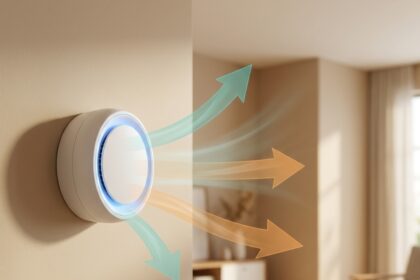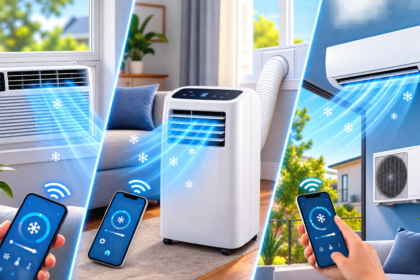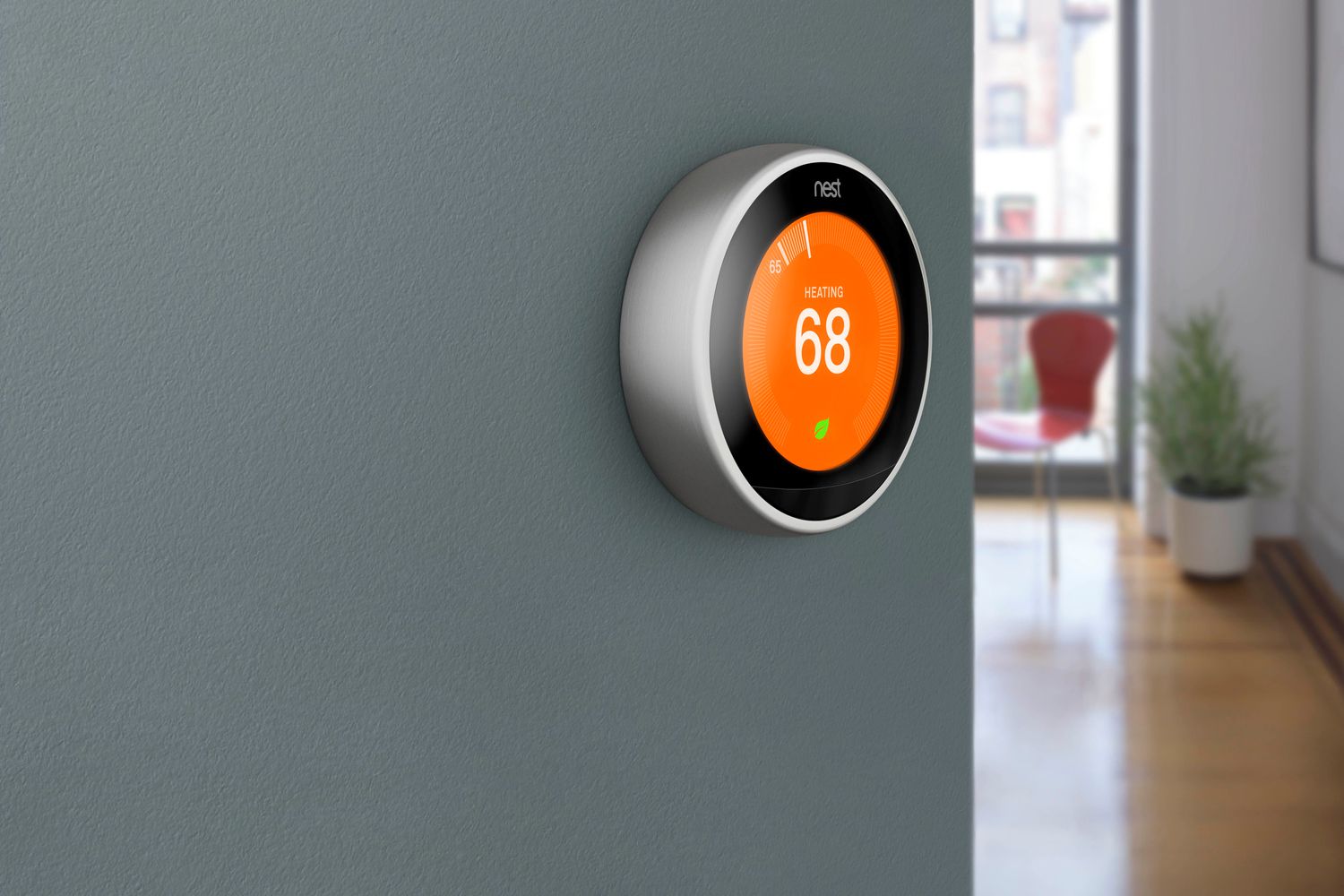




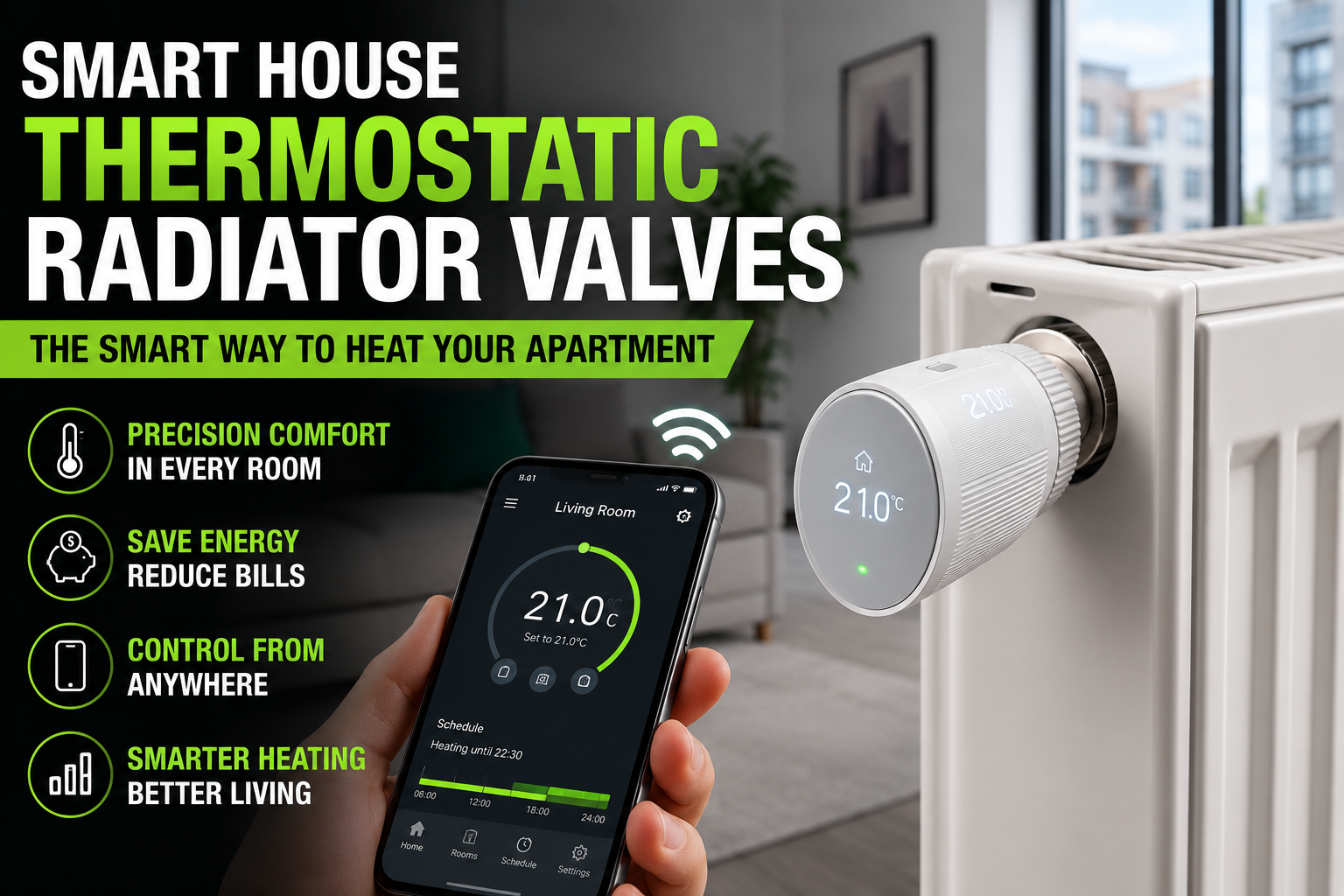
As smart home technology continues to evolve, homeowners and apartment residents are finding new ways to improve comfort, reduce energy consumption, and gain greater control over their living spaces. One of the most effective yet often overlooked smart heating solutions is the smart thermostatic radiator valve (TRV).
Designed to replace traditional radiator valves, smart thermostatic radiator valves allow users to control the temperature of individual rooms with precision. Instead of heating an entire apartment uniformly, these devices make it possible to create personalized heating zones, resulting in improved comfort and lower energy bills.
Whether you live in a small apartment or a larger multi-room flat, smart radiator valves can transform the way you manage indoor heating. In this article, we will explore how they work, their key benefits, installation considerations, and why they have become an essential component of modern smart homes.
What Are Smart Thermostatic Radiator Valves?
Smart thermostatic radiator valves are intelligent devices installed directly on radiators to regulate the flow of hot water based on room temperature.
Unlike traditional manual valves, smart TRVs feature built-in temperature sensors, wireless connectivity, and programmable settings. These features enable automatic temperature control according to user preferences, schedules, and even environmental conditions.
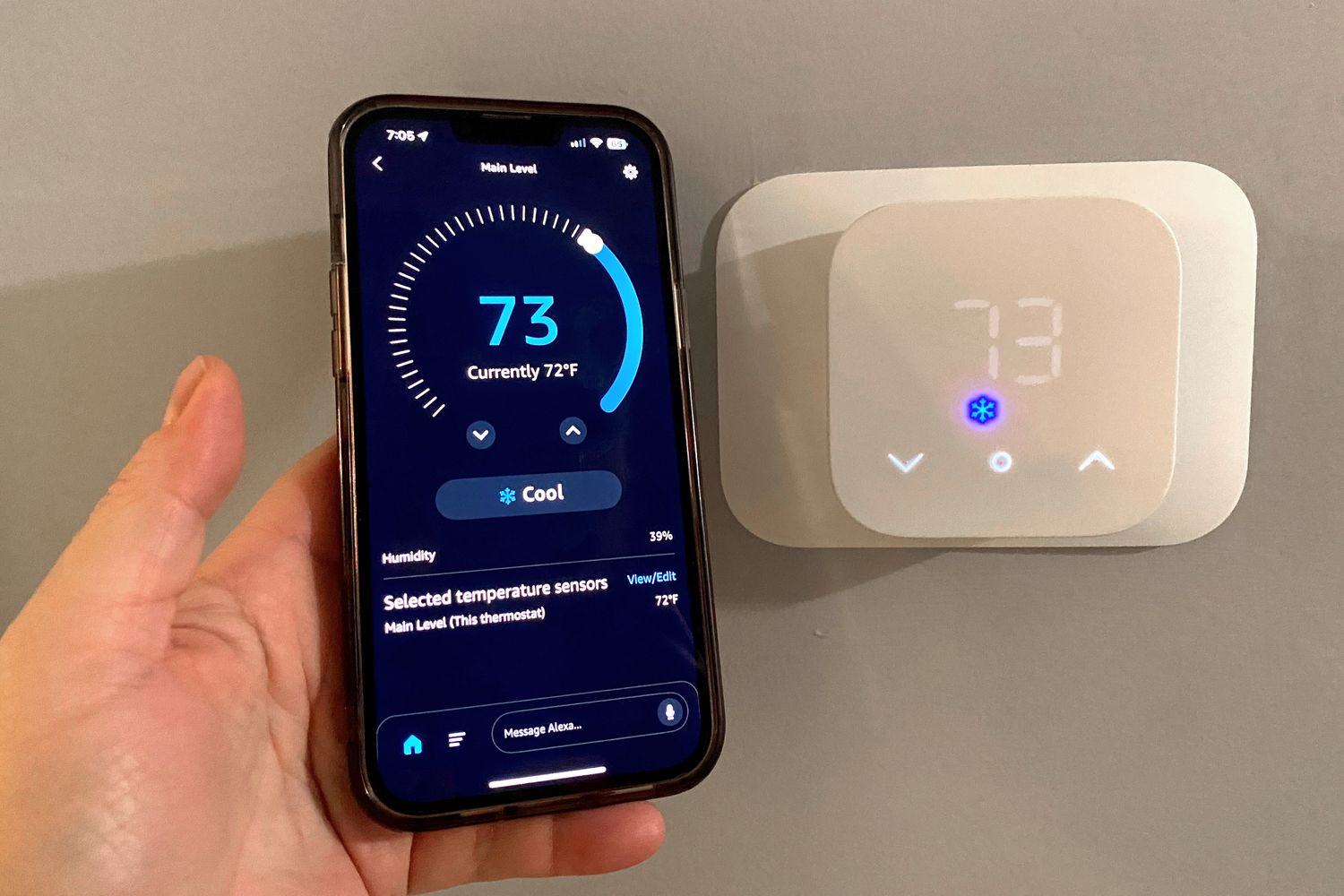
Most smart radiator valves can be controlled remotely through a smartphone app, allowing users to manage their heating system from virtually anywhere.
How Smart Thermostatic Radiator Valves Work
The primary function of a smart radiator valve is to maintain a desired room temperature.
The device continuously monitors the ambient temperature and adjusts the radiator’s output accordingly. When the room reaches the target temperature, the valve restricts the flow of hot water. If the temperature drops, it reopens to provide additional heat.
This automatic regulation prevents overheating and ensures a more consistent indoor climate.
Wireless Connectivity
Most modern smart radiator valves support technologies such as:
- Wi-Fi
- Zigbee
- Z-Wave
- Bluetooth
These wireless protocols allow communication with mobile apps, smart home hubs, and automation platforms.
Remote Control via Smartphone
One of the biggest advantages of smart TRVs is remote access.
For example, if you’re returning home after work, you can increase the temperature before arriving instead of heating the apartment all day. This creates a comfortable environment while minimizing energy waste.
Intelligent Automation
Advanced models offer automation features such as:
- Scheduled heating programs
- Occupancy-based temperature adjustments
- Geofencing
- Open-window detection
- Weather-responsive heating control
These capabilities help maximize both convenience and energy efficiency.
Benefits of Smart Thermostatic Radiator Valves in Apartments
Reduced Energy Consumption
Energy savings are among the most compelling reasons to install smart radiator valves.
Traditional heating systems often warm every room equally, regardless of whether those spaces are being used. Smart valves eliminate this inefficiency by allowing room-by-room temperature control.
For example, guest rooms, storage areas, or spare bedrooms can remain cooler while frequently occupied spaces maintain comfortable temperatures.
As a result, many users experience noticeable reductions in heating costs.
Enhanced Comfort
Comfort preferences vary from person to person.
With smart radiator valves, each room can be configured independently. For instance:
- Living room: 22°C (72°F)
- Bedroom: 18°C (64°F)
- Home office: 21°C (70°F)
- Guest room: 16°C (61°F)
This flexibility creates a more comfortable living environment tailored to individual needs.
Room-by-Room Heating Control
One of the most valuable features of smart TRVs is heating zoning.
Instead of relying on a single thermostat for the entire apartment, each radiator becomes part of an independent heating zone. This is particularly useful in apartments where some rooms receive more sunlight than others.
By heating rooms according to actual demand, homeowners can achieve better temperature balance throughout the property.
Seamless Smart Home Integration
Most smart radiator valves integrate easily with popular smart home ecosystems.
Users can connect them with:
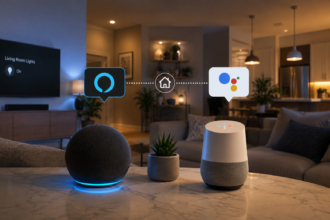
- Voice assistants
- Smart thermostats
- Motion sensors
- Door and window sensors
- Home automation platforms
This integration enables sophisticated routines that improve both comfort and efficiency.
Practical Use Cases
Working from Home
Remote work has become increasingly common, making efficient heating more important than ever.
A person working from a home office throughout the day may only need heating in that specific room. Smart radiator valves allow the rest of the apartment to remain at lower temperatures, reducing energy consumption without sacrificing comfort.
Vacation Apartments
Owners of vacation properties can benefit significantly from remote heating control.
Rather than leaving heating systems running continuously, users can maintain a low standby temperature and increase it before arrival using a smartphone app.
This approach saves energy while ensuring the apartment is warm and comfortable when needed.
Families with Different Temperature Preferences
Different household members often prefer different room temperatures.
Parents may prefer cooler bedrooms for sleeping, while children may feel more comfortable in slightly warmer environments.
Smart TRVs allow every room to be adjusted independently, eliminating unnecessary compromises.
Key Factors to Consider Before Buying
Compatibility with Existing Radiators
Before purchasing smart radiator valves, it is essential to verify compatibility with your current heating system.
Important considerations include:
- Valve thread size
- Radiator type
- Included adapters
- Heating system configuration
Most manufacturers provide compatibility guides and adapter kits for common radiator models.
Connectivity Options
The best connectivity option depends on your smart home setup.
Wi-Fi Models
Advantages:
- Easy installation
- No additional hub required
Disadvantages:
- Higher battery consumption
Zigbee and Z-Wave Models
Advantages:
- Longer battery life
- Reliable communication
- Better scalability
Disadvantages:
- Require a compatible smart home hub
Battery Life
Most smart radiator valves operate using replaceable batteries.
Battery life can vary from six months to more than two years depending on the device, connectivity protocol, and usage patterns.
Long battery life reduces maintenance requirements and improves overall convenience.
Advanced Features
Premium models often include additional capabilities such as:
- Learning algorithms
- Energy usage reports
- Frost protection
- Voice control
- Automatic scheduling
- Multi-user management
While these features may increase the purchase price, they can significantly enhance the user experience.
Installation Process
One of the reasons smart radiator valves have become so popular is their relatively simple installation.
In most apartments, installation involves:
- Removing the existing radiator valve head.
- Attaching the appropriate adapter if required.
- Installing the smart valve.
- Connecting it to the mobile application.
- Configuring schedules and temperature settings.
Many users can complete the process in just a few minutes per radiator without professional assistance.
Are Smart Radiator Valves Worth the Investment?
For most apartment owners and tenants, smart thermostatic radiator valves offer excellent value.
The combination of energy savings, improved comfort, and remote control capabilities makes them a practical upgrade for modern homes. While the initial investment may seem significant, the potential reduction in heating costs can help offset the expense over time.
Additionally, as energy prices continue to rise, technologies that improve heating efficiency are becoming increasingly attractive.
For anyone looking to build a smarter, more energy-efficient home, smart radiator valves are one of the easiest and most impactful upgrades available.
Conclusion
Smart thermostatic radiator valves are revolutionizing apartment heating by providing precise room-by-room temperature control, improved comfort, and significant energy-saving potential. Their ability to automate heating schedules, integrate with smart home ecosystems, and reduce unnecessary energy consumption makes them an excellent investment for modern living.
Whether you want to lower your utility bills, create a more comfortable indoor environment, or take the first step toward a fully connected smart home, smart radiator valves offer a practical and highly effective solution. As smart home technology continues to advance, these devices are likely to become a standard feature in energy-efficient apartments worldwide.