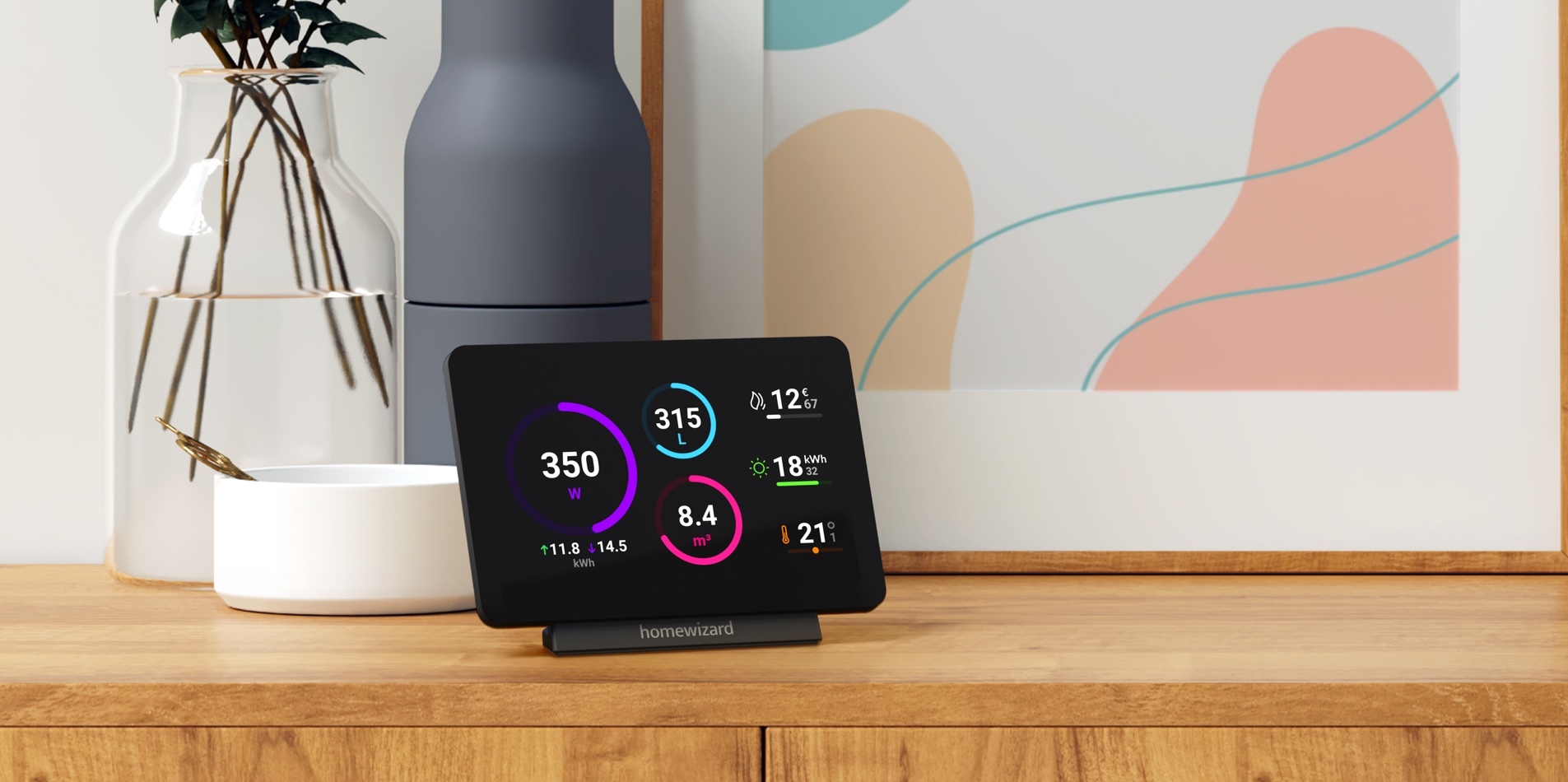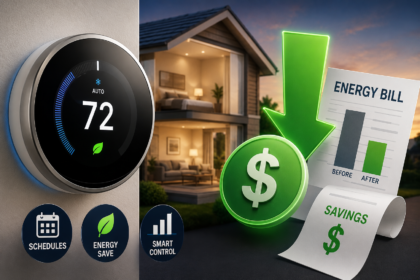

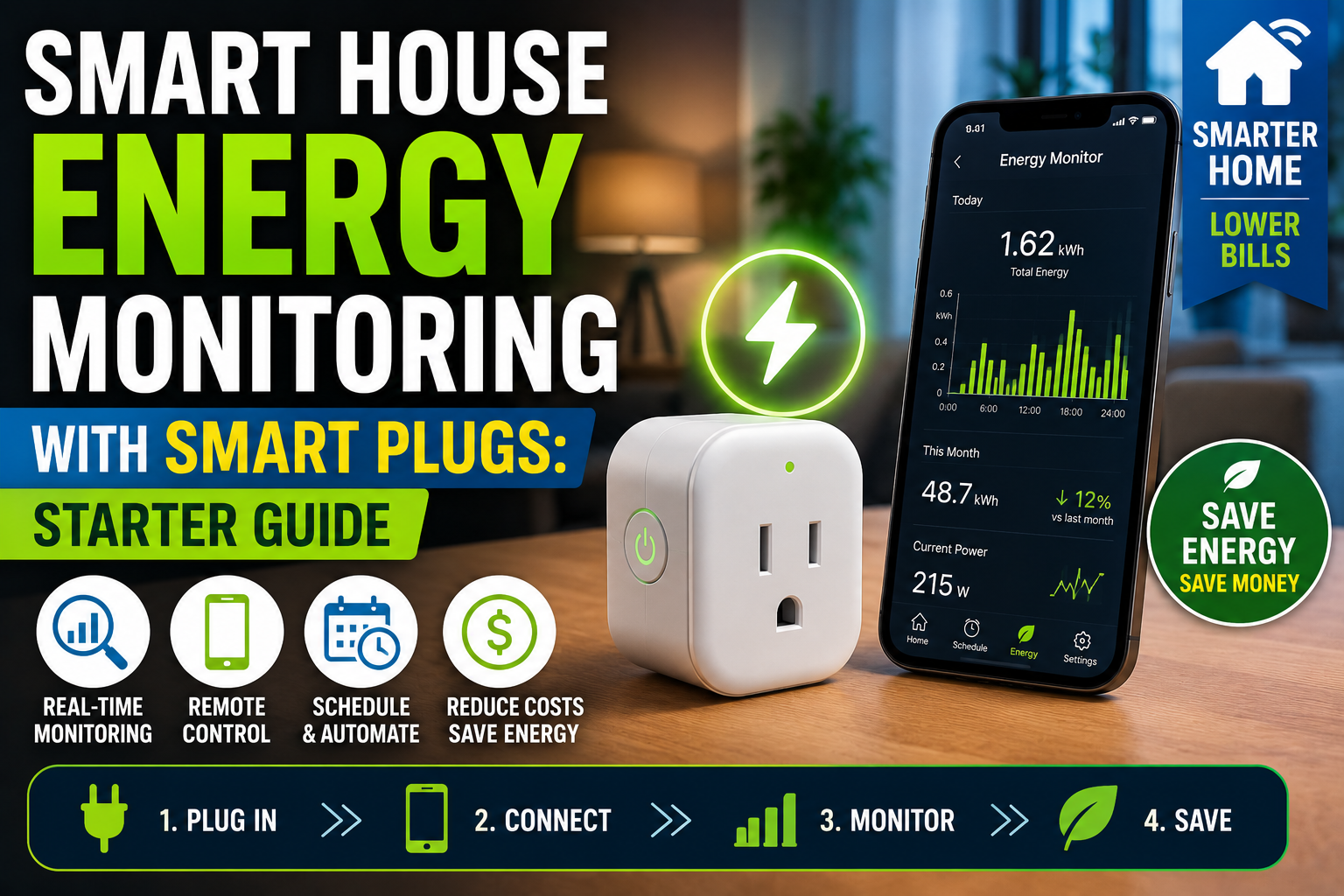
Energy costs have become a growing concern for homeowners worldwide. As electricity prices continue to fluctuate and households rely on more connected devices than ever before, understanding where energy is being consumed has become essential. The good news is that you no longer need expensive equipment or professional installations to gain insight into your home’s power usage.
- What Is a Smart Plug?
- Why Energy Monitoring Matters
- How Smart Plug Energy Monitoring Works
- Benefits of Smart Plug Energy Monitoring
- Best Devices to Monitor First
- Smart Plug Features to Look For
- Building a Smart Energy Monitoring Strategy
- Real-World Example
- Smart Home Automation and Energy Savings
- Common Mistakes Beginners Make
- Future of Smart Home Energy Monitoring
- Conclusion
One of the easiest and most affordable ways to start monitoring energy consumption is by using smart plugs with energy monitoring capabilities. These compact devices not only allow you to control appliances remotely but also provide valuable data about how much electricity your devices consume throughout the day.
For anyone beginning their smart home journey, smart plugs offer a practical entry point into energy management. They are simple to install, easy to use, and can reveal surprising information about everyday energy habits.
In this guide, we’ll explore how smart plugs work, how they help monitor energy consumption, what features to look for, and how homeowners can use them to build a more efficient and intelligent home.
What Is a Smart Plug?
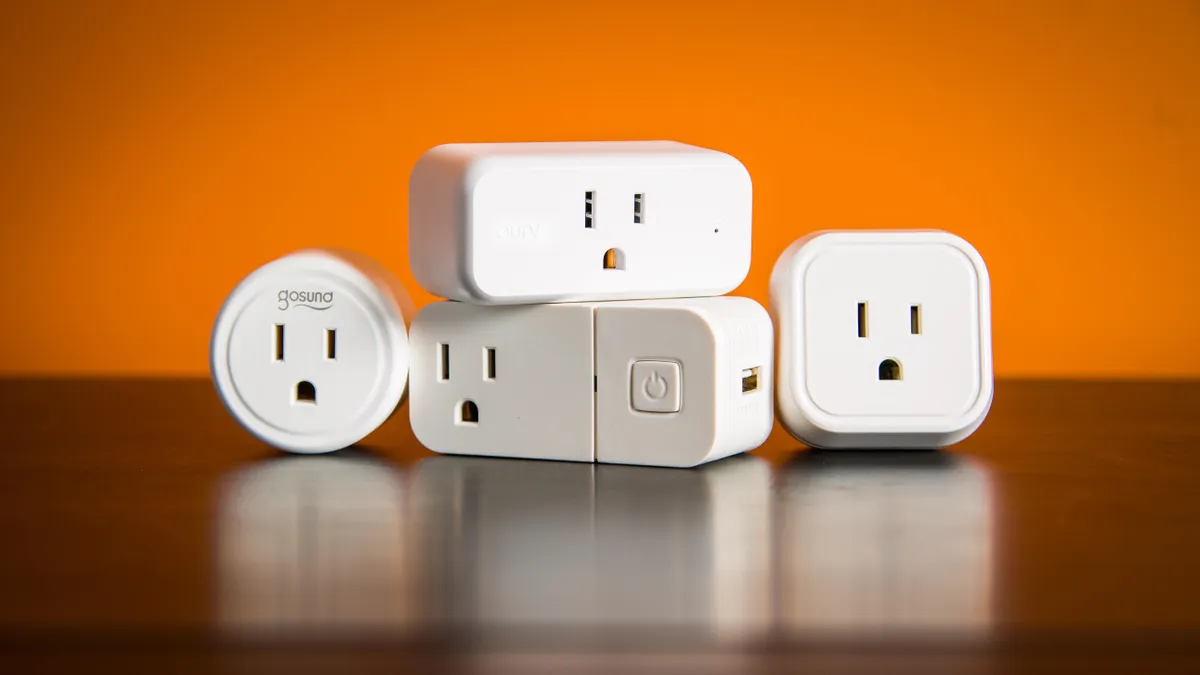
A smart plug is a small device that connects between a wall outlet and an electrical appliance.
Once connected, it allows users to control power remotely using a smartphone app, voice assistant, or home automation platform.
Many modern smart plugs go a step further by incorporating energy monitoring technology. These models can track exactly how much electricity a connected device consumes and provide detailed usage statistics.
Common devices connected to smart plugs include:
- Lamps
- Coffee makers
- Fans
- Televisions
- Space heaters
- Air purifiers
- Gaming consoles
- Desktop computers
By monitoring these appliances individually, homeowners gain a clearer understanding of where their energy is actually going.
Why Energy Monitoring Matters
Most people receive a monthly electricity bill without knowing which devices are responsible for the majority of the costs.
Energy monitoring changes that.
Instead of guessing, homeowners can access real-time data and make informed decisions based on actual consumption patterns.
Identifying Energy Hogs
One of the biggest benefits of smart plugs is their ability to identify hidden energy consumers.
Many appliances use electricity even when they appear to be turned off.
Examples include:
- Televisions in standby mode
- Cable boxes
- Game consoles
- Chargers left plugged in
- Smart speakers
- Home entertainment systems
Over time, these small amounts of consumption can add up significantly.
Creating Better Energy Habits
Once people see actual usage data, they often change their behavior naturally.
For example, a homeowner may discover that a space heater consumes more electricity in a week than expected, encouraging more efficient usage.
Awareness often leads to savings.
How Smart Plug Energy Monitoring Works
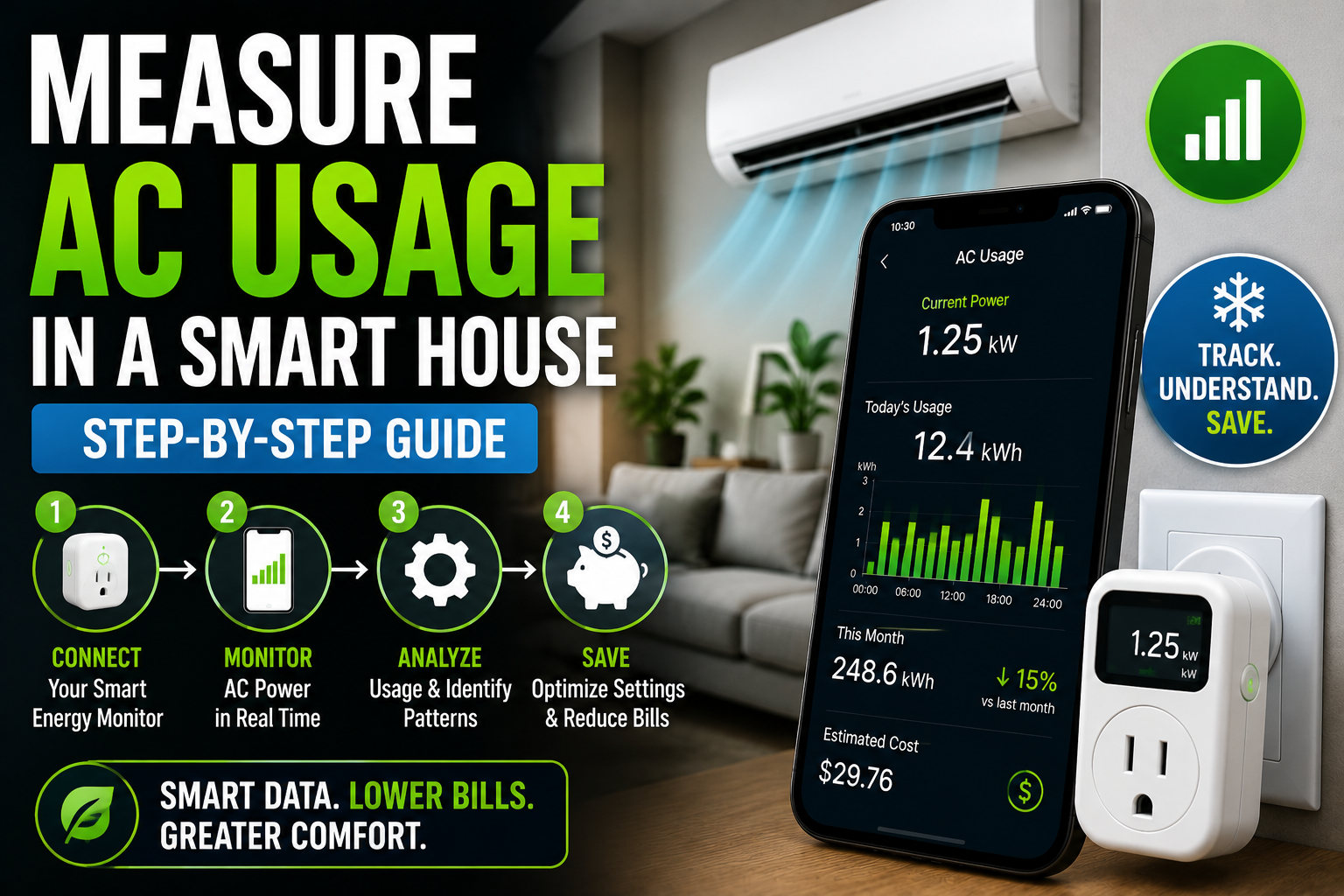
Smart plugs measure the amount of electricity flowing through the connected device.
The collected information is transmitted to a mobile app or cloud platform where users can view:
- Current power consumption
- Daily energy usage
- Weekly reports
- Monthly trends
- Estimated operating costs
Some advanced models also provide historical charts and predictive insights.
Real-Time Monitoring
Real-time monitoring shows how much power a device is using at a specific moment.
For example:
- LED lamp: 8 watts
- Television: 120 watts
- Gaming PC: 450 watts
- Space heater: 1,500 watts
Seeing these numbers instantly helps users understand the impact of each appliance.
Long-Term Analysis
Historical data is where smart plugs become truly valuable.
By analyzing usage over weeks or months, homeowners can identify:
- Seasonal consumption changes
- Appliances used excessively
- Devices left running unnecessarily
- Opportunities for automation
These insights often lead to meaningful reductions in electricity bills.
Benefits of Smart Plug Energy Monitoring
Lower Energy Costs
The most obvious benefit is reducing electricity expenses.
Many homeowners are surprised to discover how much energy certain appliances consume over time.
Small adjustments can often result in measurable savings.
Improved Home Efficiency
Smart plugs provide detailed visibility into household energy use.
This information allows homeowners to optimize device schedules and eliminate waste.
Increased Convenience
Energy monitoring is only one feature.
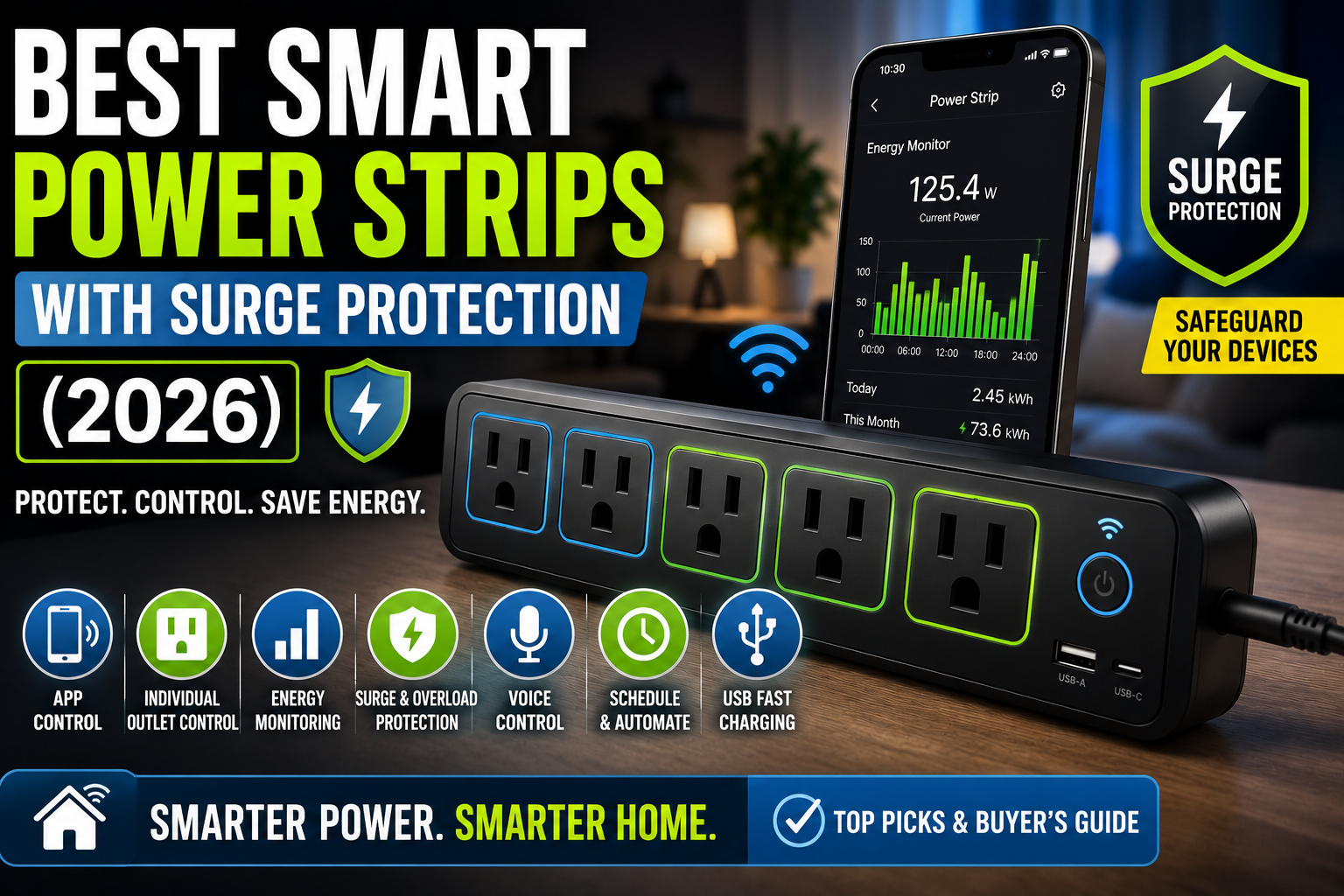
Most smart plugs also provide:
- Remote control
- Scheduling
- Timers
- Automation
- Voice assistant integration
This combination of convenience and efficiency makes them particularly attractive.
Better Environmental Impact
Reducing unnecessary energy consumption also lowers a household’s environmental footprint.
For environmentally conscious homeowners, smart plugs provide a simple way to support sustainability goals.
Best Devices to Monitor First
If you’re just starting, focus on appliances that consume the most energy.
Space Heaters
Portable heaters are often among the largest residential electricity consumers.
Monitoring them can quickly reveal opportunities for savings.
Entertainment Systems
Many entertainment devices consume standby power continuously.
Smart plugs can measure this hidden usage and automatically shut devices off when not needed.
Home Office Equipment
With remote work becoming increasingly common, home offices can contribute significantly to electricity bills.
Monitoring:
- Computers
- Monitors
- Printers
- Network equipment
can provide useful insights.
Kitchen Appliances
Certain kitchen devices consume more energy than expected.
Examples include:
- Coffee makers
- Electric kettles
- Air fryers
- Microwaves
Understanding their usage patterns helps optimize energy consumption.
Smart Plug Features to Look For
Not all smart plugs offer the same capabilities.
Accurate Energy Monitoring
The most important feature is reliable energy measurement.
Look for models that provide:
- Watt monitoring
- Kilowatt-hour tracking
- Cost estimation
- Historical reporting
Accurate data is essential for making informed decisions.
Mobile App Quality
The app experience significantly impacts usability.
A good app should provide:
- Easy navigation
- Detailed reports
- Automation options
- Device grouping
- Notification support
Voice Assistant Compatibility
Many homeowners prefer hands-free control.
Compatibility with voice assistants allows commands such as:
- “Turn off the office fan.”
- “Switch off the coffee maker.”
- “Activate energy-saving mode.”
Scheduling Functions
Scheduling can automatically turn devices on and off according to daily routines.
This feature is one of the easiest ways to reduce waste.
Building a Smart Energy Monitoring Strategy
Many beginners install one smart plug and stop there.
However, the greatest benefits come from creating a broader monitoring strategy.
Start Small
Begin with two or three high-consumption devices.
This keeps costs low while providing immediate learning opportunities.
Analyze Results
Spend several weeks observing energy patterns.
Look for:
- Unexpected spikes
- Idle consumption
- Frequently used appliances
The goal is to understand behavior before making changes.
Expand Gradually
Once comfortable with the system, add more monitored devices.
Over time, a complete picture of household energy usage begins to emerge.
Real-World Example
Imagine a homeowner who receives unexpectedly high electricity bills every winter.
By installing smart plugs on a space heater, entertainment center, and home office setup, they discover that the heater alone accounts for nearly 40% of monthly electricity usage.
Further analysis reveals that the heater often runs in an empty room because it was regularly forgotten.
By implementing automatic schedules and remote control, the homeowner significantly reduces energy consumption without sacrificing comfort.
This type of insight is difficult to achieve without monitoring tools.
Smart Home Automation and Energy Savings
The true power of smart plugs emerges when combined with automation.
Occupancy-Based Control
Smart home systems can use occupancy sensors to turn devices off automatically when rooms become vacant.
This prevents unnecessary energy consumption.
Scheduled Energy Management
Examples include:
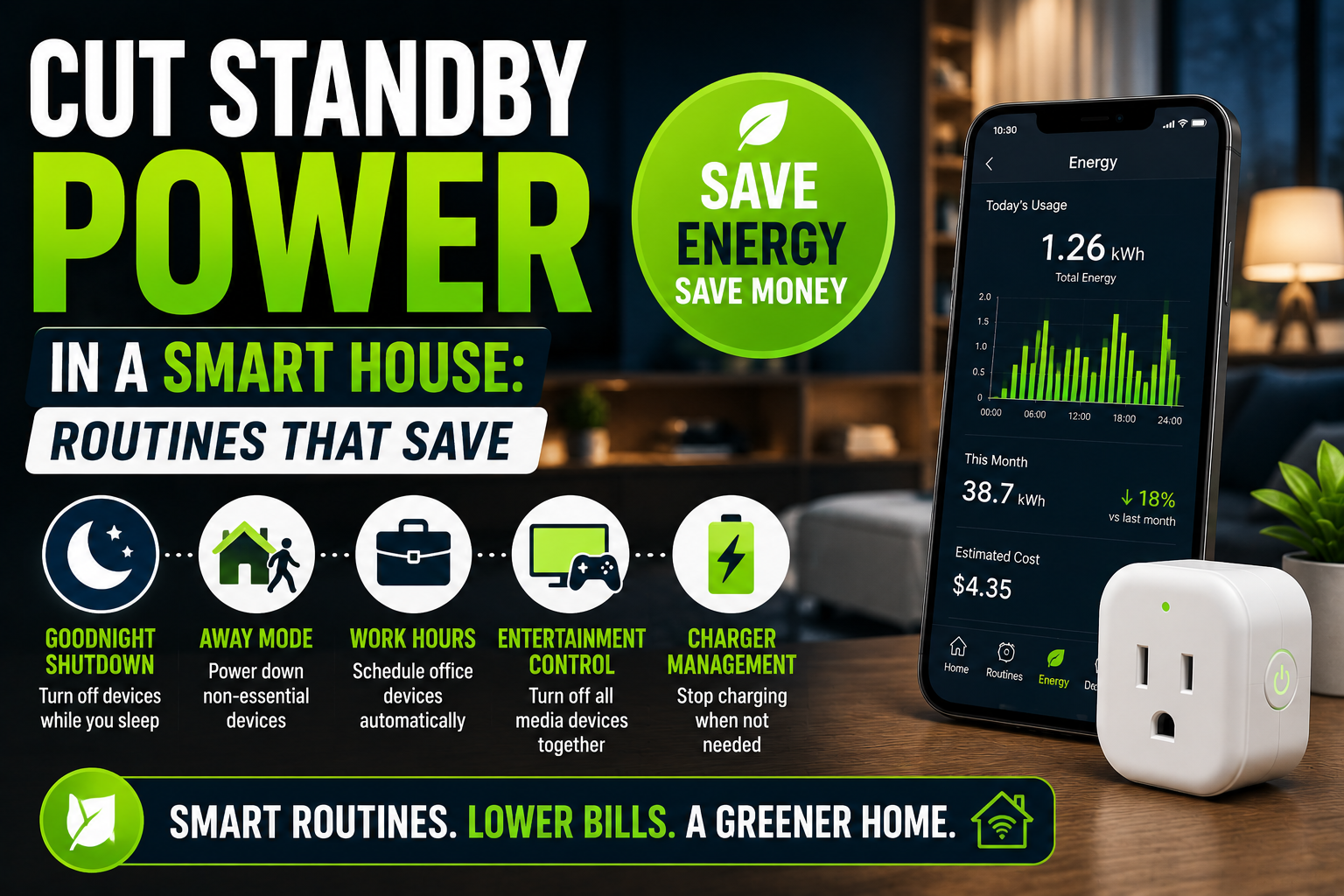
- Turning office equipment off at night.
- Powering down entertainment systems after midnight.
- Disabling chargers when not in use.
Automation removes the need for manual intervention.
Vacation Mode
When homeowners travel, smart plugs can:
- Reduce standby consumption.
- Simulate occupancy.
- Monitor critical devices remotely.
This enhances both efficiency and security.
Common Mistakes Beginners Make
Monitoring Too Many Devices at Once
Starting with every appliance can become overwhelming.
Focus on the highest-impact devices first.
Ignoring Historical Data
Many users only check real-time consumption.
Long-term trends often reveal the most valuable insights.
Forgetting Standby Power
Some devices consume electricity continuously despite appearing inactive.
These hidden loads should not be overlooked.
Choosing the Cheapest Smart Plug
Accuracy and reliability matter.
Investing in a quality model typically provides better long-term results.
Future of Smart Home Energy Monitoring
Energy monitoring technology continues to evolve rapidly.
Future smart homes will likely include:
- AI-driven energy recommendations
- Predictive consumption analysis
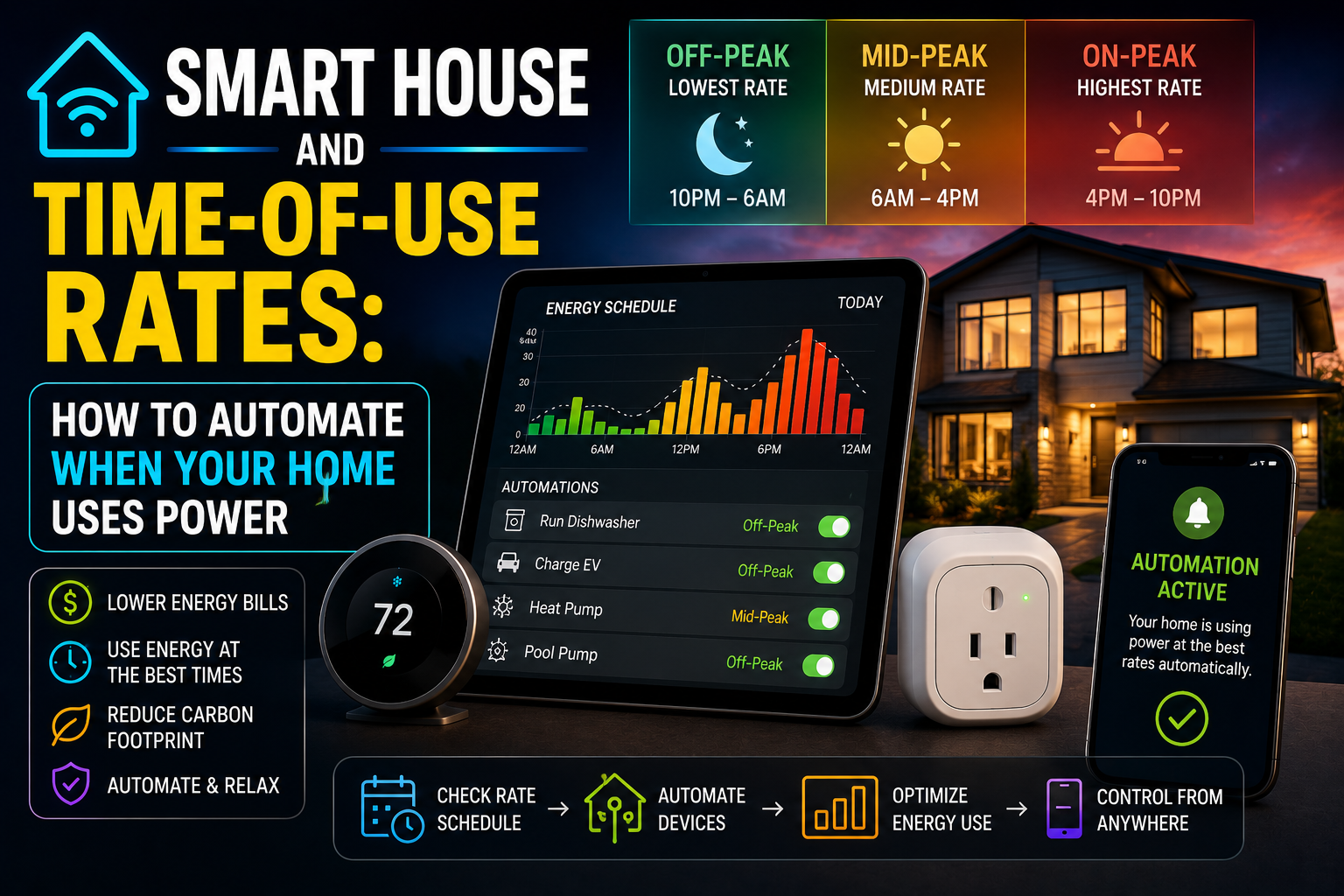
- Dynamic electricity pricing integration
- Solar energy optimization
- Whole-home energy dashboards
Smart plugs represent the first step toward these more advanced energy management systems.
By learning how individual devices consume electricity today, homeowners prepare themselves for increasingly intelligent homes tomorrow.
Conclusion
Smart plugs with energy monitoring capabilities are one of the simplest and most affordable tools available for improving household energy efficiency. They provide valuable insights into electricity consumption, reveal hidden energy waste, and empower homeowners to make smarter decisions about how their homes use power.
Whether you’re looking to lower utility bills, reduce environmental impact, or simply understand your home’s energy habits, smart plugs offer an excellent starting point. Their combination of remote control, automation, scheduling, and detailed energy reporting makes them a powerful addition to any smart home ecosystem.
For beginners entering the world of smart home technology, few devices deliver as much value for such a small investment. By starting with a few strategically placed smart plugs, homeowners can gain a clearer picture of their energy usage and take meaningful steps toward a more efficient, comfortable, and intelligent home.