
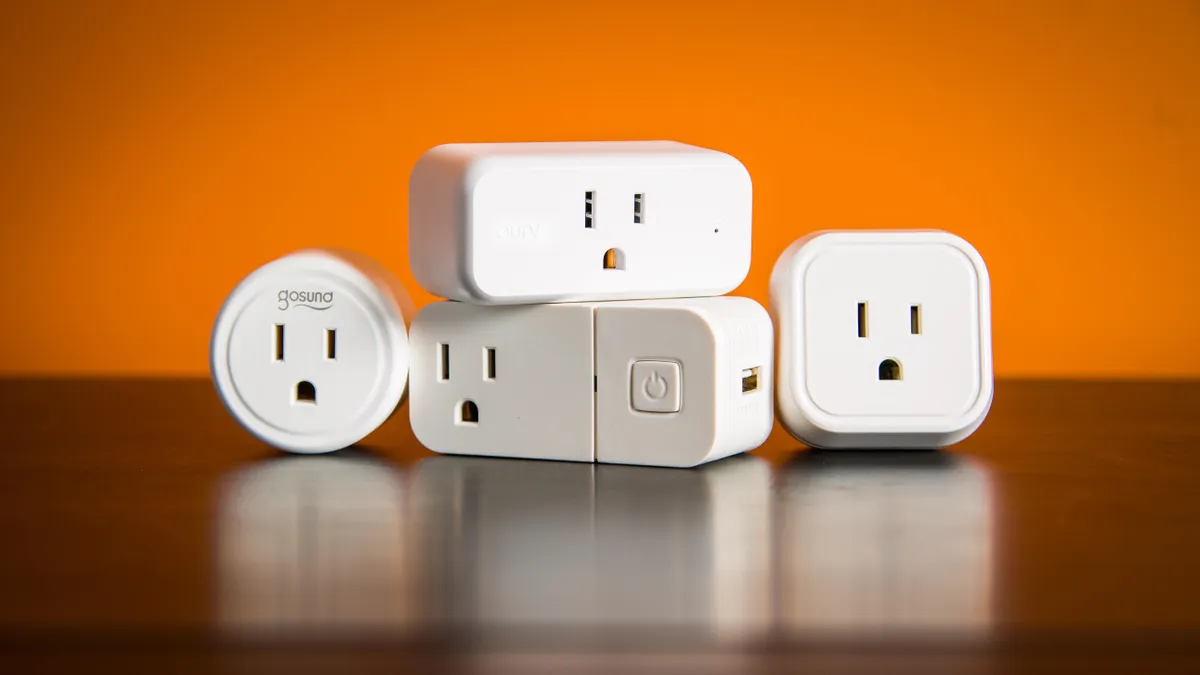
Smart plugs are among the cheapest and most popular entry points into a smart home, and they are almost always marketed with a tempting promise: save money on your electricity bill. You plug one into the wall, plug a lamp or appliance into it, and suddenly you can control that device by phone or voice and set it on a schedule. But does that convenience actually translate into lower bills, or is the savings claim mostly marketing?
The honest answer is that smart plugs can save money, but not in the way many people assume, and not for every device. Used thoughtfully, they trim waste you cannot easily see. Used carelessly, they save nothing and simply add convenience. This breakdown explains exactly where the savings come from, where they do not, and how a beginner can use smart plugs to genuinely reduce energy use.
What a Smart Plug Actually Does
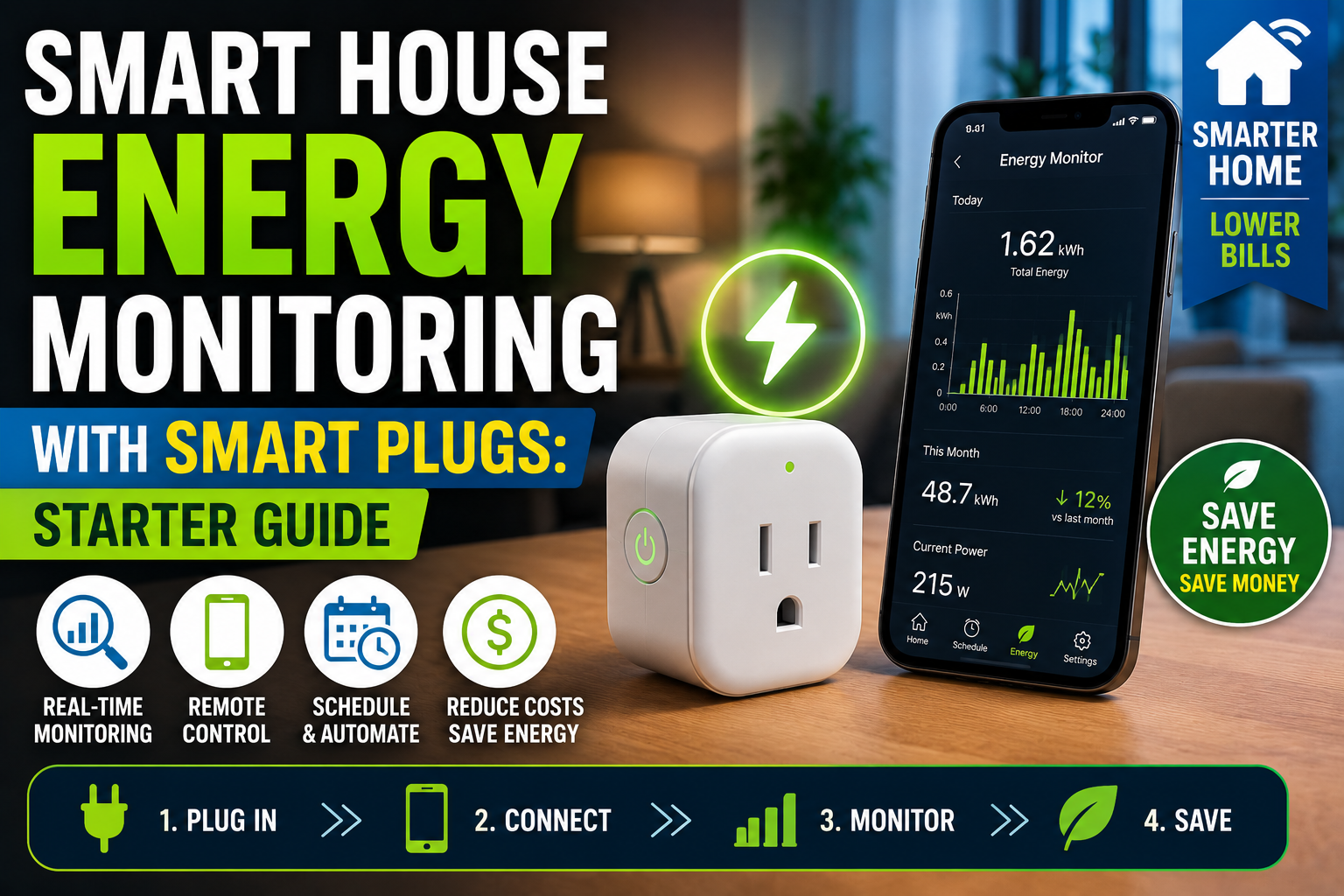
A smart plug is a small adapter that sits between a wall outlet and whatever you plug into it. It connects to your home network and lets you turn the connected device on or off remotely, set schedules, and include it in routines and voice commands. Some models also measure how much electricity the connected device uses, which is a feature that matters a lot for the savings question.
Crucially, a smart plug does not make the device plugged into it more efficient. A lamp draws the same power whether it is on a smart plug or a regular outlet. The plug’s only power over your bill is the ability to turn that device off when it would otherwise have been left on or wasting energy. All smart plug savings flow from this single capability: switching things off that you were not switching off before.
The Two Ways Smart Plugs Save Money
Eliminating Standby Power Draw
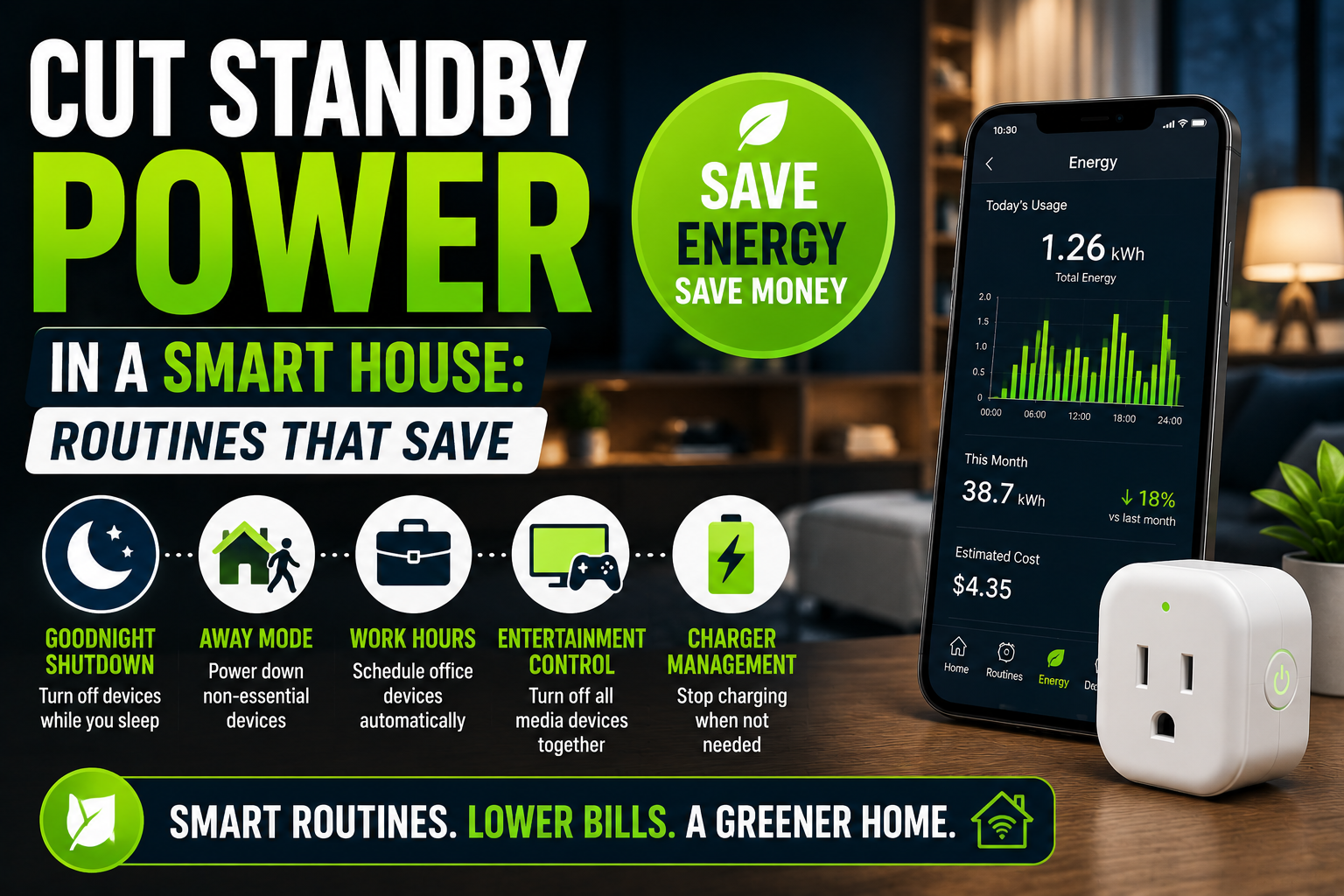
Many devices draw electricity even when they appear to be off, a phenomenon often called standby power, phantom load, or vampire draw. Televisions, game consoles, chargers, coffee makers, microwaves, and entertainment centers can sip power around the clock just to stay ready or keep a clock lit. Individually these draws are small, but across a household and across a year they add up.
A smart plug lets you cut that draw completely by switching the device off at the outlet when it is not in use, then back on when you need it. For devices with a genuine standby draw that you can fully power down without losing important functions, this is real, if modest, savings. The key phrase is “genuine standby draw,” because not every device wastes meaningful power in standby, and modern electronics are generally much better than older ones.
Stopping Things From Being Left On
The larger savings often come from a simpler behavior: turning off things people forget. A space heater left running in an empty room, a lamp burning all day, a fan nobody switched off, or a device left on overnight all waste energy. A smart plug with a schedule or an away-triggered routine ensures these things switch off automatically, capturing savings that depend purely on the device being off when it should be.
This is where smart plugs earn their keep. The combination of scheduling and automation means you stop relying on memory and habit, and your devices switch off reliably. For households where things routinely get left on, this can meaningfully reduce waste.
Where Smart Plugs Do Not Save Money
It is just as important to know where the savings claim falls apart, because misusing a smart plug wastes your money rather than saving it.
First, devices with negligible standby draw. Many modern electronics use almost nothing in standby, so cutting their power with a smart plug saves almost nothing. The plug itself also draws a tiny amount of power to stay connected, which in extreme cases could offset the savings on a very low-draw device.
Second, devices that should not be fully powered down. Refrigerators, freezers, network equipment you rely on, medical devices, and anything that must run continuously should never be on a smart plug used to cut power. Switching these off does not save money in any sensible way and can cause real problems.
Third, devices that are already off when not in use. If you already diligently switch off your lamp at the wall every time, a smart plug adds convenience but no savings, because you were already capturing them manually.
In short, a smart plug only saves money when it switches off a device that genuinely wastes power and that you were not already switching off yourself. Outside that narrow case, the value is convenience, not savings.
How to Use Smart Plugs to Actually Save
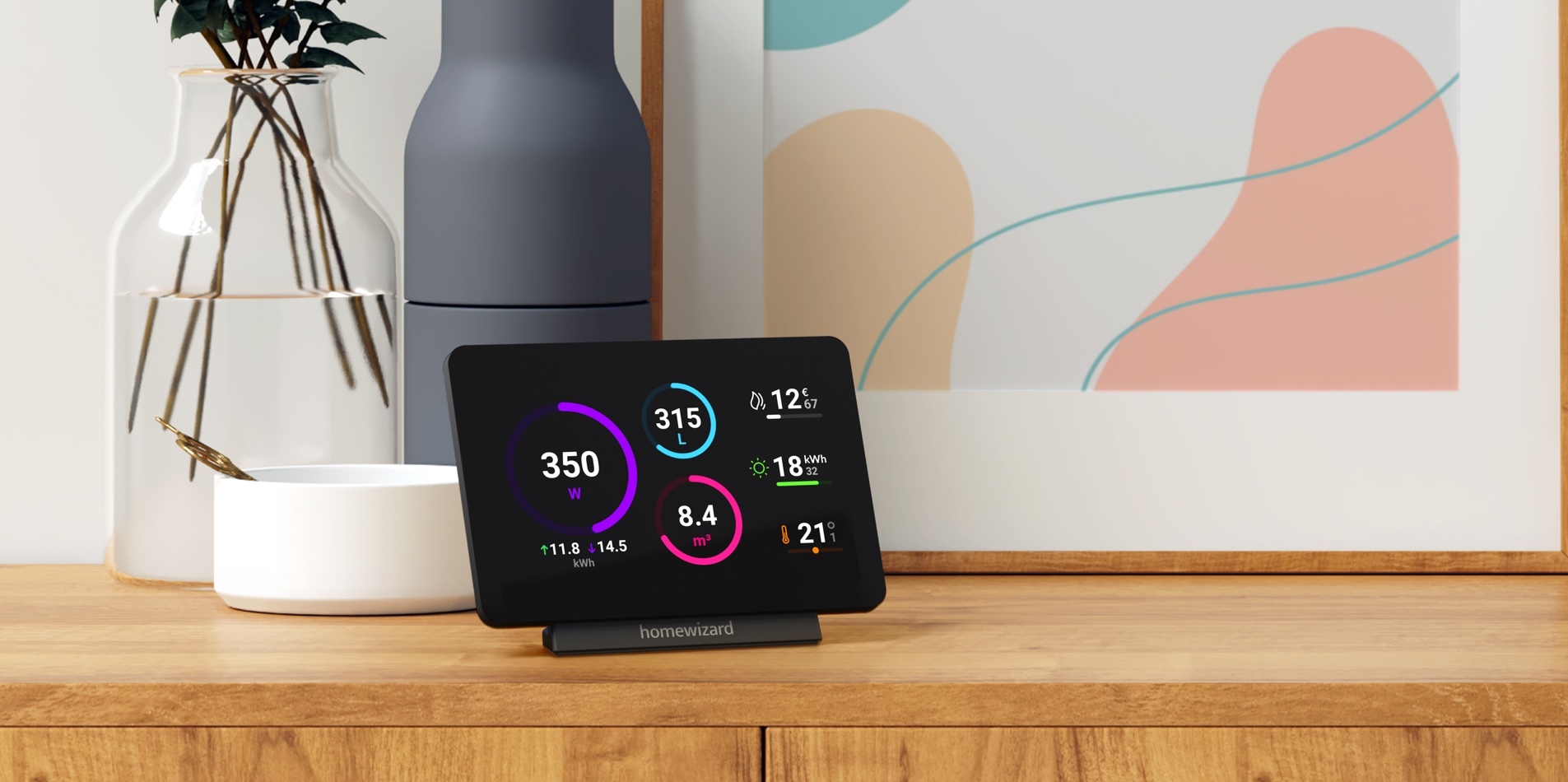
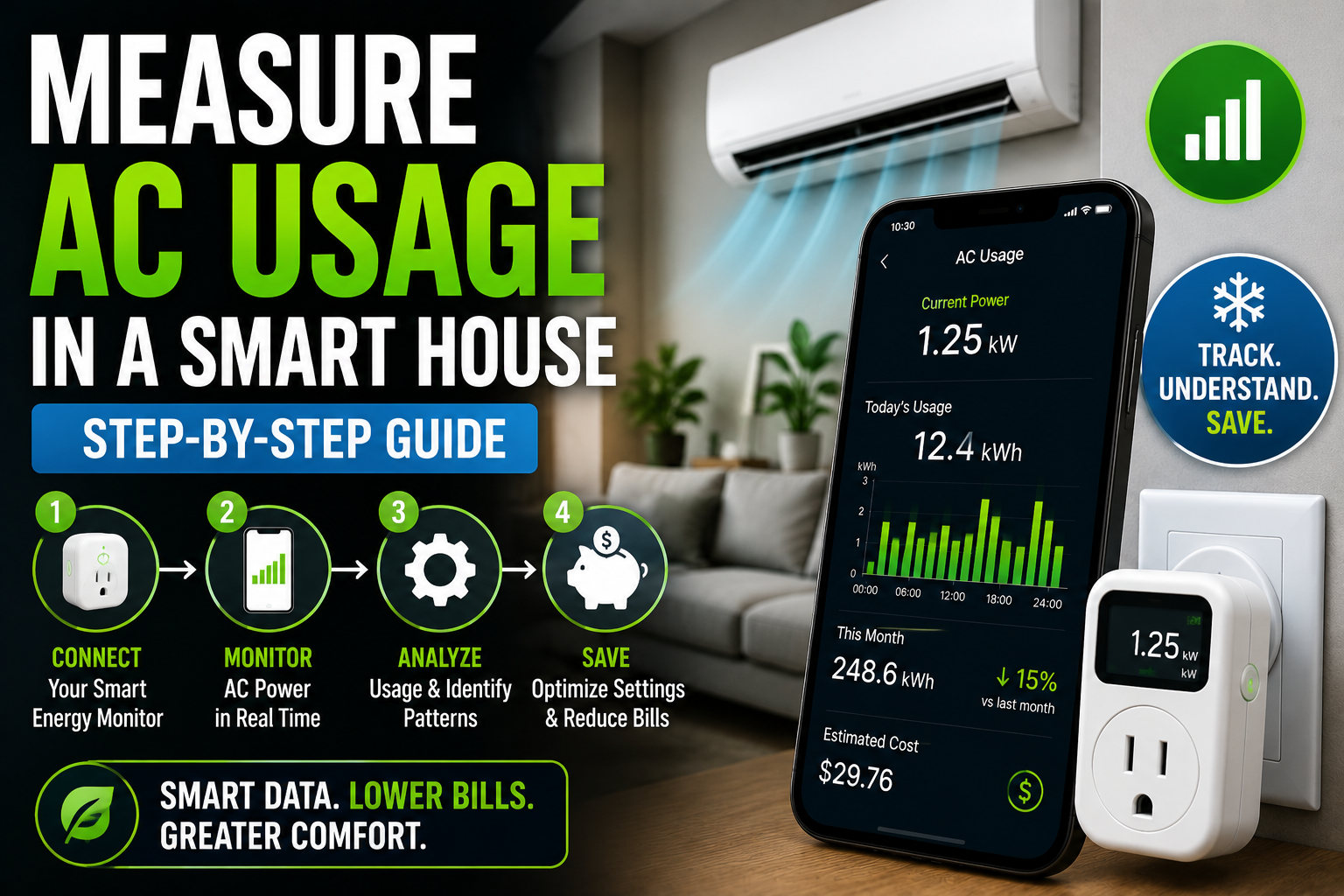
The smartest approach starts with measurement. If your smart plug has energy monitoring, use it to find out which devices actually draw meaningful standby power. You will likely be surprised: some suspected energy hogs sip almost nothing, while an overlooked device wastes more than expected. Target your savings efforts at the genuine offenders rather than guessing.
Next, automate ruthlessly. Set schedules so that devices switch off during hours they are never needed, such as an entertainment center overnight or a coffee station after the morning. Use away-triggered routines so that leaving the house powers down the right devices. Automation captures savings consistently, whereas relying on yourself to remember rarely works.
Finally, focus on the highest-impact devices. A single space heater or a power-hungry old appliance left running wastes far more than a phone charger. Prioritize plugs for the devices that draw real power and are prone to being left on. A few well-placed, well-automated plugs deliver almost all the savings; covering every outlet in the house delivers diminishing returns.
A Realistic Expectation of Savings
Set your expectations honestly. Smart plugs are not going to slash your electricity bill in half. Their savings are real but usually modest, measured in the eliminated waste of specific devices rather than a dramatic whole-home reduction. The financial case is strongest when you target devices with genuine standby draw or a habit of being left on, and weakest when you scatter plugs across low-draw electronics expecting magic.
The better way to think about smart plugs is as low-cost tools that deliver three things at once: a small amount of genuine savings, a lot of everyday convenience, and useful visibility into your energy use if they offer monitoring. Judged on all three, they are usually worth their low price. Judged on savings alone, they are worthwhile only when used deliberately on the right devices.
The Bottom Line
Smart plugs can save money, but only by switching off devices that genuinely waste power and that you were not already turning off yourself. They do not make anything more efficient; they simply give you reliable, automated control over when devices are powered. Use energy monitoring to find the real offenders, automate schedules and away-routines to capture savings consistently, and focus on high-draw devices prone to being left on. Approach them as inexpensive tools for convenience plus modest, targeted savings, and smart plugs more than justify their place in a beginner’s smart home.
Frequently Asked Questions
How much can smart plugs realistically save on my bill?
The savings are usually modest and depend entirely on what you connect them to. Eliminating genuine standby draw and stopping devices from being left on captures real but limited savings. Expect meaningful reductions only on specific wasteful devices, not a dramatic whole-home drop.
Do smart plugs use electricity themselves?
Yes, a very small amount, since they stay connected to your network to receive commands. This draw is tiny, but on a device with almost no standby waste, it can offset the savings. Use smart plugs where the device they control wastes meaningfully more than the plug itself consumes.
Which devices are best to put on a smart plug for savings?
Devices with genuine standby draw or a habit of being left on, such as entertainment centers, space heaters, lamps, and coffee stations. Avoid using them to cut power to refrigerators, freezers, network equipment, or anything that must run continuously.
Will a smart plug make my appliance more efficient?
No. A smart plug cannot change how much power a device uses while running. It only controls when the device is on or off. All savings come from switching the device off, not from improving its efficiency.
Do I need energy-monitoring smart plugs?
They are not essential, but monitoring is genuinely useful because it shows which devices actually waste power. With that data you can target your efforts where they matter instead of guessing, making your savings more effective. For beginners serious about cutting waste, monitoring plugs are worth the small extra cost.