
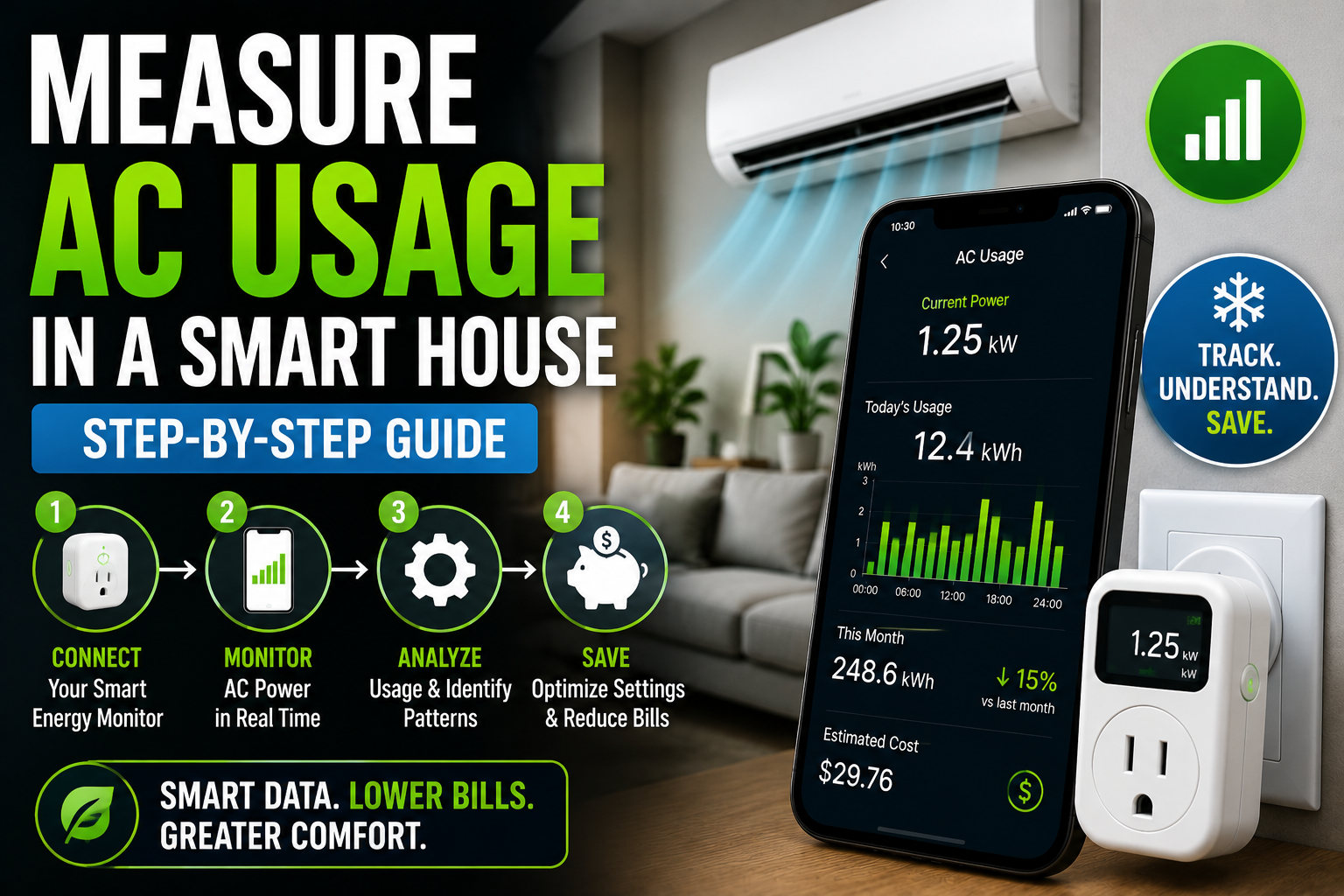
Air conditioning has become an essential part of modern living, especially in regions where summer temperatures can make indoor spaces uncomfortable or even unsafe. Yet while most homeowners appreciate the comfort an air conditioner provides, far fewer understand exactly how much energy their cooling system consumes.
- Why Measuring AC Usage Matters
- Understanding How Air Conditioners Consume Energy
- Step 1: Identify Your Type of Air Conditioner
- Step 2: Choose the Right Monitoring Method
- Step 3: Establish a Baseline
- Step 4: Analyze Real-Time Power Consumption
- Step 5: Compare Runtime with Energy Use
- Step 6: Evaluate Thermostat Settings
- Step 7: Identify Inefficiencies
- Step 8: Use Smart Home Automation
- Real-World Example
- Understanding Energy Reports
- Common Mistakes When Measuring AC Usage
- The Future of Smart AC Monitoring
- Conclusion
This lack of visibility often leads to surprises when the electricity bill arrives. Many people assume they know which appliances are responsible for their energy costs, only to discover that air conditioning accounts for a significant portion of their household consumption.
The good news is that smart home technology makes it easier than ever to measure AC usage accurately. Whether you own a central HVAC system, a ductless mini-split, a portable air conditioner, or a window AC unit, there are several ways to track energy consumption and identify opportunities for savings.
In this guide, we’ll walk through the process step by step, explaining how to measure air conditioner energy usage in a smart house, which tools are most effective, and how to use the resulting data to improve comfort while reducing costs.
Why Measuring AC Usage Matters
Many homeowners focus on reducing energy consumption without first understanding where electricity is actually being used.
Air conditioning is often one of the largest consumers of electricity in a home. During peak summer months, cooling systems may account for a substantial percentage of total energy usage.
By measuring consumption accurately, homeowners can:
- Identify inefficient cooling habits.
- Reduce electricity bills.
- Improve smart home automation.
- Detect maintenance issues.
- Optimize thermostat settings.
- Better understand seasonal energy patterns.
Rather than guessing, energy monitoring provides real-world data that can guide smarter decisions.
Understanding How Air Conditioners Consume Energy
Before measuring usage, it helps to understand what affects an air conditioner’s electricity consumption.
Several factors influence how much power an AC unit uses:
- Cooling capacity (BTU or tonnage)
- Energy efficiency rating
- Outdoor temperature
- Indoor temperature settings
- Home insulation quality
- Operating hours
- Maintenance condition
- Occupancy levels
A highly efficient system running continuously may consume more electricity than an older unit operating only occasionally.
This is why actual measurement is more valuable than estimates.
Step 1: Identify Your Type of Air Conditioner
The first step is determining which cooling system you have.
Central Air Conditioning Systems
These systems cool the entire home through ductwork and are controlled by a central thermostat.
They are common in larger homes and often represent the highest cooling-related energy consumption.
Mini-Split Systems
Ductless mini-splits have become increasingly popular due to their efficiency and zoning capabilities.
Each indoor unit can typically be controlled independently.
Window Air Conditioners
Window units remain common in apartments and smaller homes.
Because they operate independently, they are often easier to monitor directly.
Portable Air Conditioners
Portable units offer flexibility but can vary significantly in efficiency.
Monitoring their energy use often reveals substantial differences between models.
Step 2: Choose the Right Monitoring Method
Several methods can be used to measure AC usage in a smart home.
The best solution depends on the type of system being monitored.
Smart Plugs with Energy Monitoring
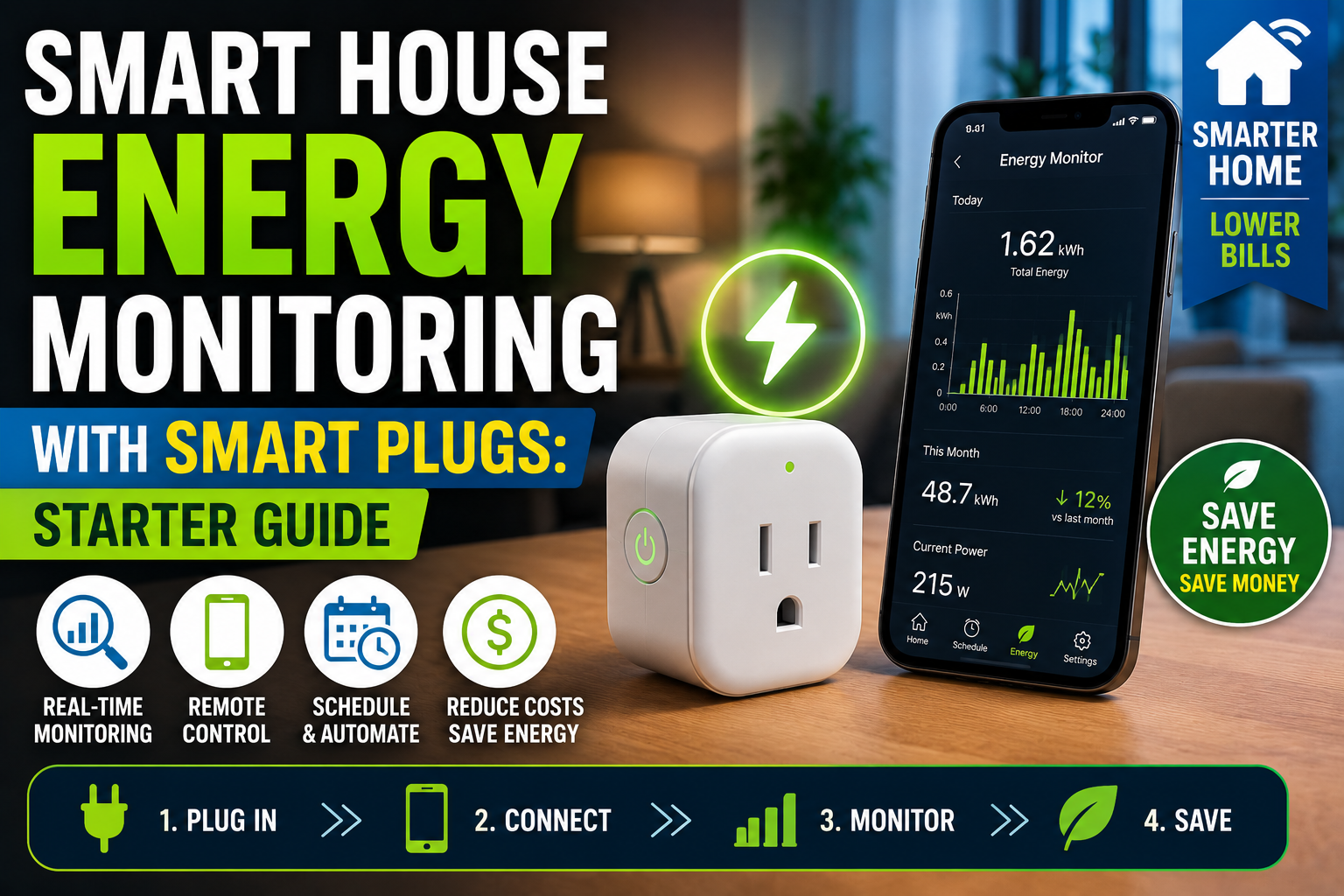
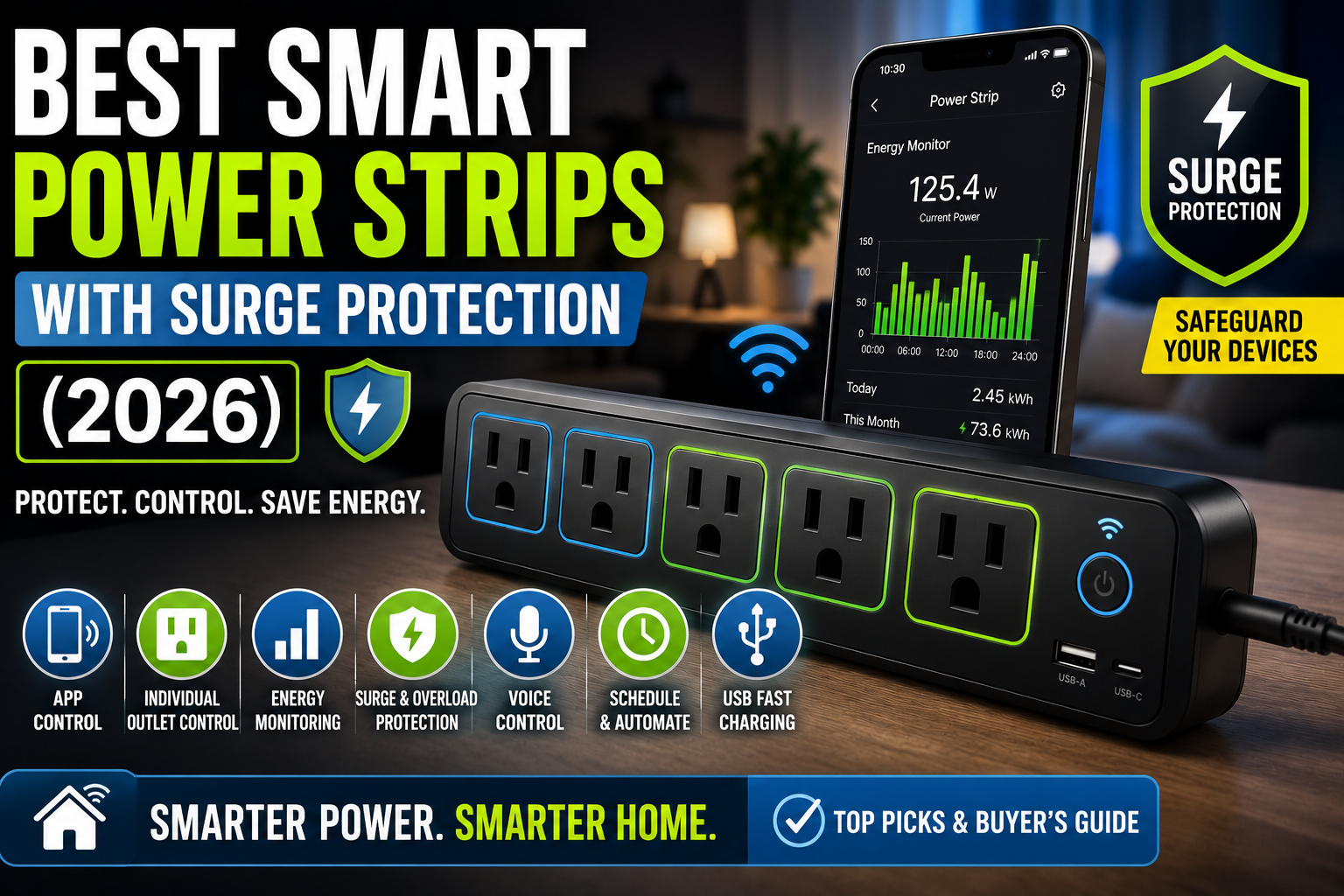
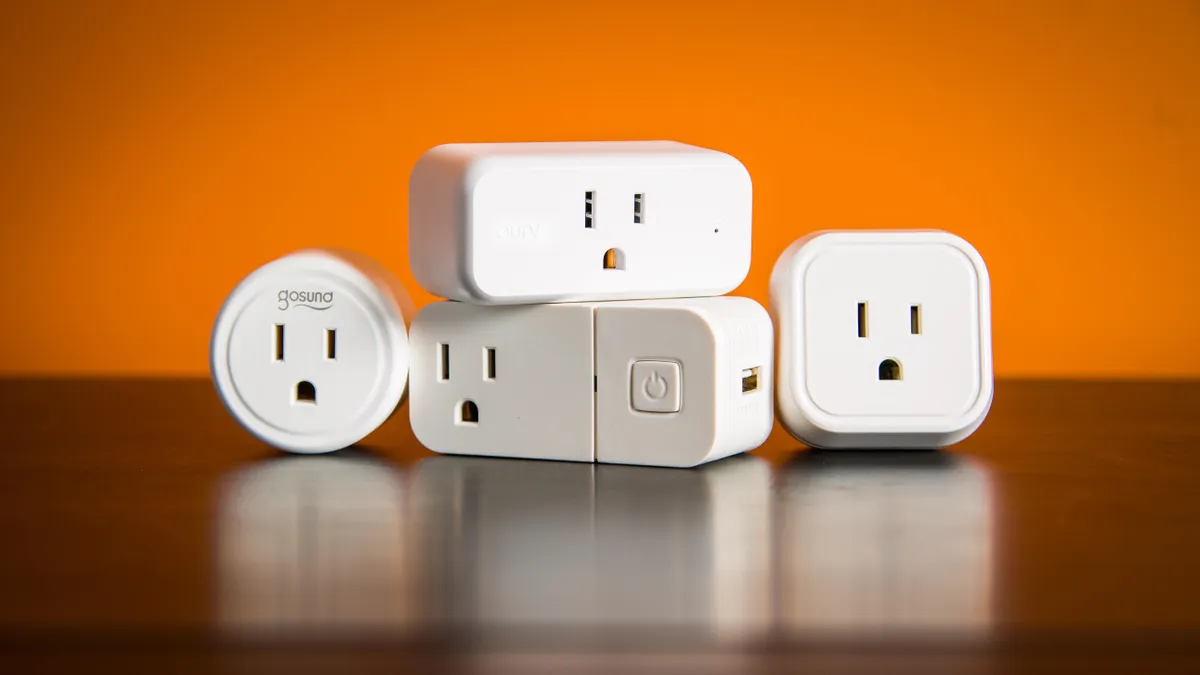
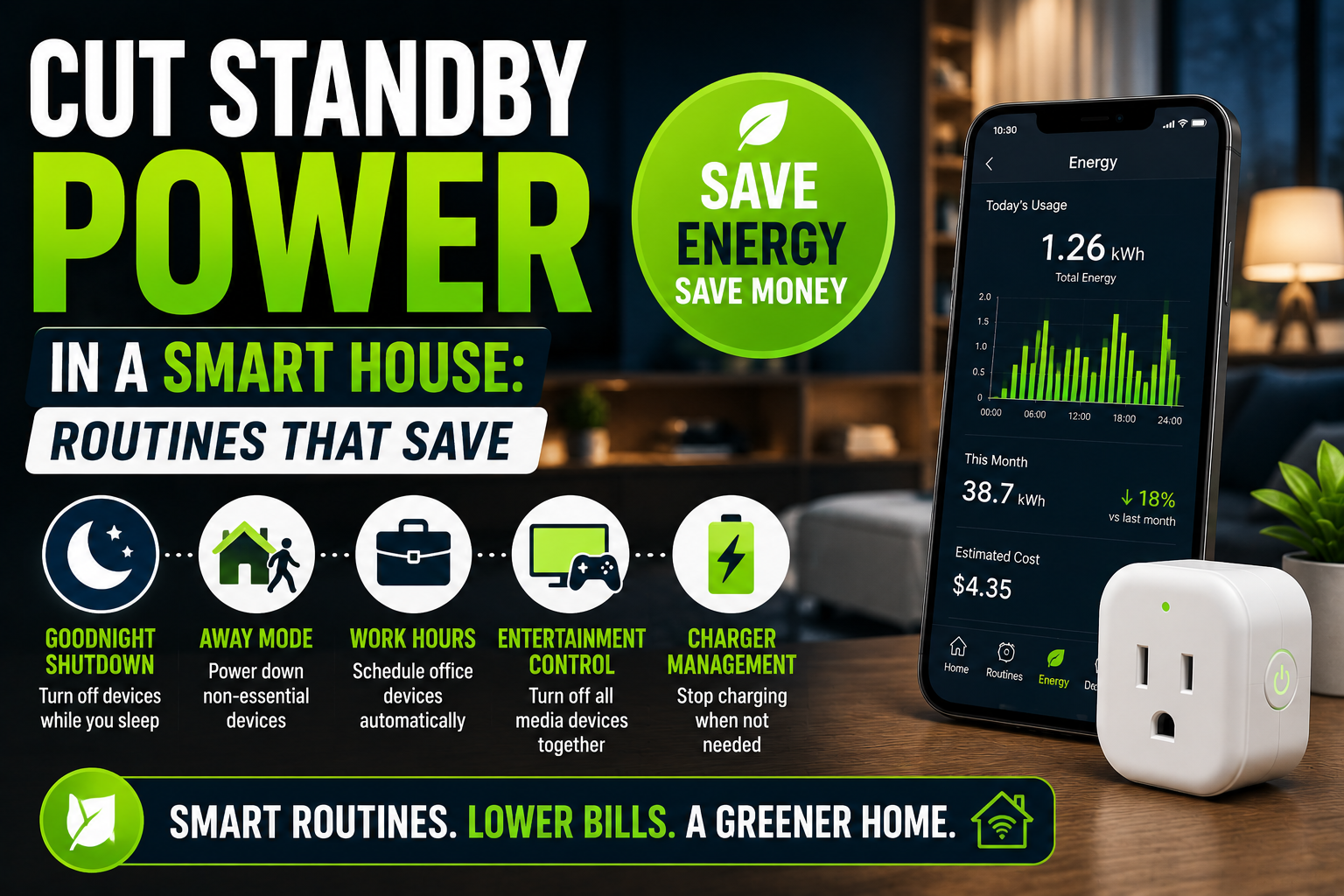
For smaller air conditioners that plug directly into a standard outlet, smart plugs provide one of the simplest monitoring solutions.
Many smart plugs can display:
- Real-time power usage
- Daily consumption
- Monthly energy reports
- Estimated operating costs
This approach works particularly well for:
- Window units
- Portable air conditioners
- Smaller mini-split systems
Installation usually takes only a few minutes.
Smart Energy Monitors
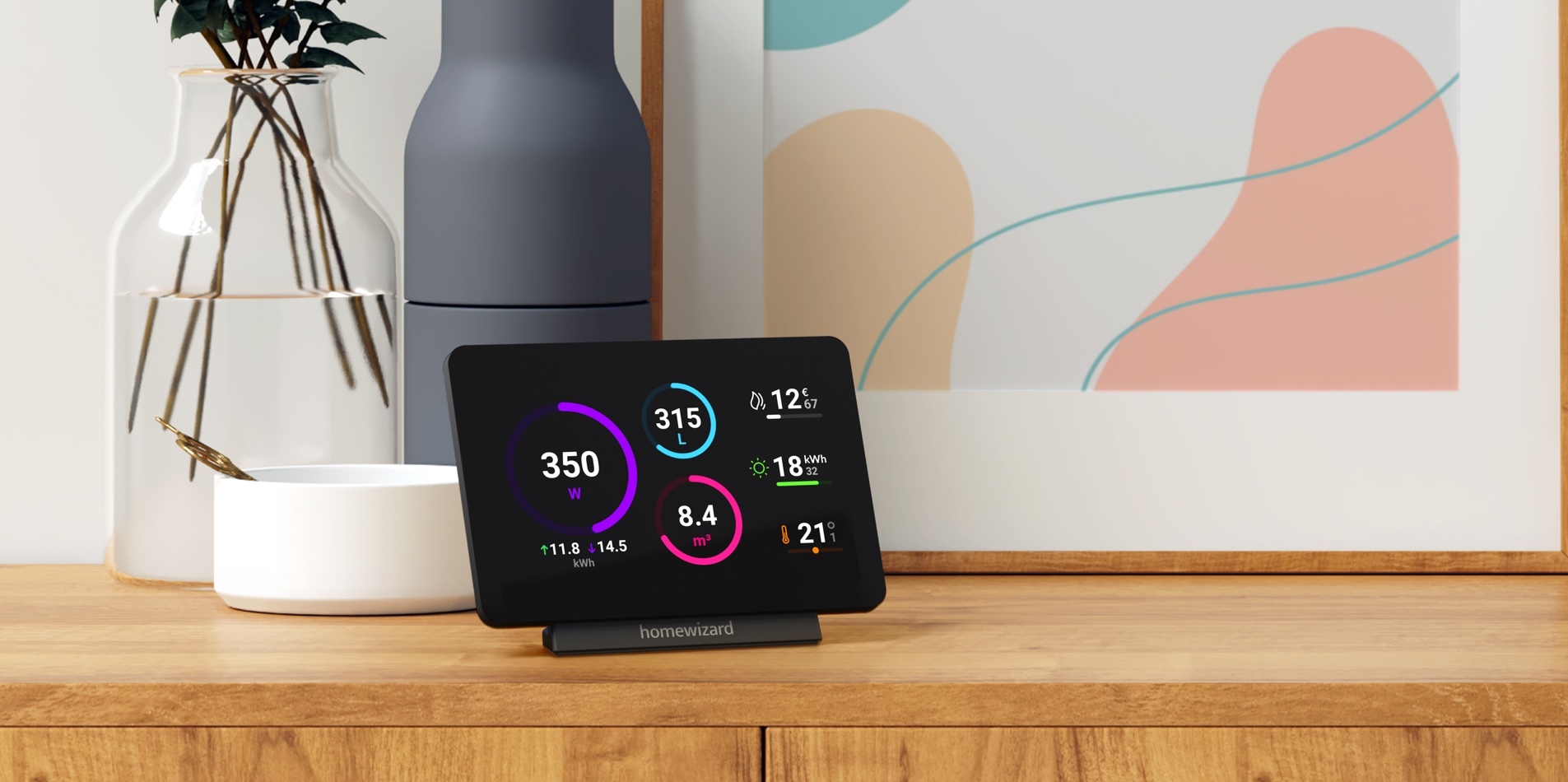
Whole-home energy monitors provide a broader view.
These devices typically connect to the electrical panel and track household energy consumption continuously.
Many advanced models can identify major appliances automatically, including air conditioning systems.
Benefits include:
- Whole-home visibility
- Historical analysis
- Appliance recognition
- Remote monitoring
This option is particularly useful for central HVAC systems.
Smart Thermostat Data
Modern smart thermostats offer valuable information about cooling performance.
While they may not always provide direct electricity measurements, they often reveal:
- Runtime duration
- Cooling cycles
- Daily operating patterns
- Temperature trends
Combined with energy monitoring, this data creates a comprehensive picture of AC performance.
Step 3: Establish a Baseline
Before making changes, it’s important to understand current usage.
A baseline allows homeowners to compare future improvements against existing performance.
Track One Full Week
Monitor air conditioning usage under normal conditions for at least seven days.
Avoid making major changes during this period.
Record:
- Daily energy consumption
- Outdoor temperatures
- Thermostat settings
- Operating hours
This initial data provides a reliable starting point.
Consider Seasonal Variations
Cooling demands fluctuate significantly throughout the year.
A week in mild weather may not reflect summer peak usage.
Whenever possible, collect data during periods of typical air conditioning demand.
Step 4: Analyze Real-Time Power Consumption
One of the most revealing aspects of monitoring is observing real-time energy use.
Many homeowners are surprised by how much power their AC system consumes when actively cooling.
Understanding Wattage
Real-time monitoring often displays power consumption in watts.
For example:
- Small portable AC: 700–1,200 watts
- Window AC: 500–1,500 watts
- Mini-split system: 300–2,000 watts
- Central AC system: 2,000–5,000+ watts
Actual usage varies depending on operating conditions.
Observe Startup Peaks
Air conditioners often draw more power when compressors start.
These short spikes can reveal important information about system behavior.
Monitoring startup loads helps homeowners better understand overall consumption patterns.
Step 5: Compare Runtime with Energy Use
Energy consumption is influenced by both power draw and operating time.
An efficient system that runs constantly may consume more electricity than a less efficient system operating intermittently.
Practical Example
Imagine two households:
House A uses an efficient mini-split system running twelve hours daily.
House B uses a central AC system running six hours daily.
Without measuring actual consumption, it would be difficult to determine which household uses more electricity.
Monitoring reveals the complete picture.
Step 6: Evaluate Thermostat Settings
Thermostat adjustments often have a direct impact on energy consumption.
Small Changes Matter
Many homeowners underestimate how much cooling costs increase when thermostat settings are lowered.
For example, maintaining 21°C (70°F) instead of 24°C (75°F) may require significantly more energy.
By comparing energy data across different temperature settings, homeowners can identify comfortable yet efficient operating points.
Use Smart Scheduling
Smart thermostats allow automatic adjustments based on occupancy and daily routines.
Monitoring usage before and after implementing schedules often demonstrates measurable savings.
Step 7: Identify Inefficiencies
Energy monitoring frequently uncovers hidden issues.
Dirty Filters
A clogged air filter restricts airflow and forces the system to work harder.
This often results in longer cooling cycles and higher energy consumption.
Poor Insulation
If cool air escapes through poorly insulated walls, windows, or doors, air conditioners must operate longer to maintain target temperatures.
Aging Equipment
Older units often consume substantially more energy than modern high-efficiency models.
Monitoring can help determine whether replacement may be economically justified.
Step 8: Use Smart Home Automation
Once usage patterns are understood, automation can help optimize performance.
Occupancy-Based Cooling
Smart homes can use occupancy sensors to reduce cooling in unused rooms.
Instead of conditioning the entire house continuously, cooling can follow actual activity.
Geofencing
Geofencing allows air conditioning to respond to residents’ locations.
For example:
- Cooling decreases when everyone leaves.
- Cooling resumes automatically as someone approaches home.
This improves efficiency without sacrificing comfort.
Window and Door Sensors
Smart sensors can temporarily suspend cooling when windows are opened.
This prevents wasted energy and enhances system efficiency.
Real-World Example
Consider a homeowner who installs a whole-home energy monitor after receiving unexpectedly high summer electricity bills.
Monitoring reveals that the central air conditioner operates almost continuously during afternoons.
Further investigation identifies two contributing factors:
- A thermostat set lower than necessary.
- A clogged air filter reducing airflow.
After replacing the filter and increasing the thermostat setting slightly, cooling consumption decreases noticeably while maintaining comfort.
Without measurement tools, these inefficiencies might have gone unnoticed for months.
Understanding Energy Reports
Most monitoring systems provide detailed reports.
Learning how to interpret them is essential.
Daily Usage Trends
Daily reports reveal how weather conditions affect cooling demand.
Weekly Comparisons
Weekly data helps identify unusual spikes and changing patterns.
Monthly Analysis
Monthly reports provide a broader perspective on seasonal consumption.
Over time, these reports become valuable tools for improving household energy efficiency.
Common Mistakes When Measuring AC Usage
Monitoring for Too Short a Period
A single day rarely provides meaningful insights.
Longer monitoring periods produce more reliable results.
Ignoring Weather Conditions
Outdoor temperatures have a direct impact on air conditioner performance.
Always consider weather when comparing energy usage.
Focusing Only on Electricity Consumption
Runtime, comfort levels, and system efficiency are equally important metrics.
Overlooking Maintenance
Even advanced monitoring systems cannot compensate for neglected maintenance.
Regular servicing remains essential.
The Future of Smart AC Monitoring
Energy monitoring technology continues to evolve rapidly.
Future systems are expected to include:
- AI-powered efficiency recommendations
- Predictive maintenance alerts
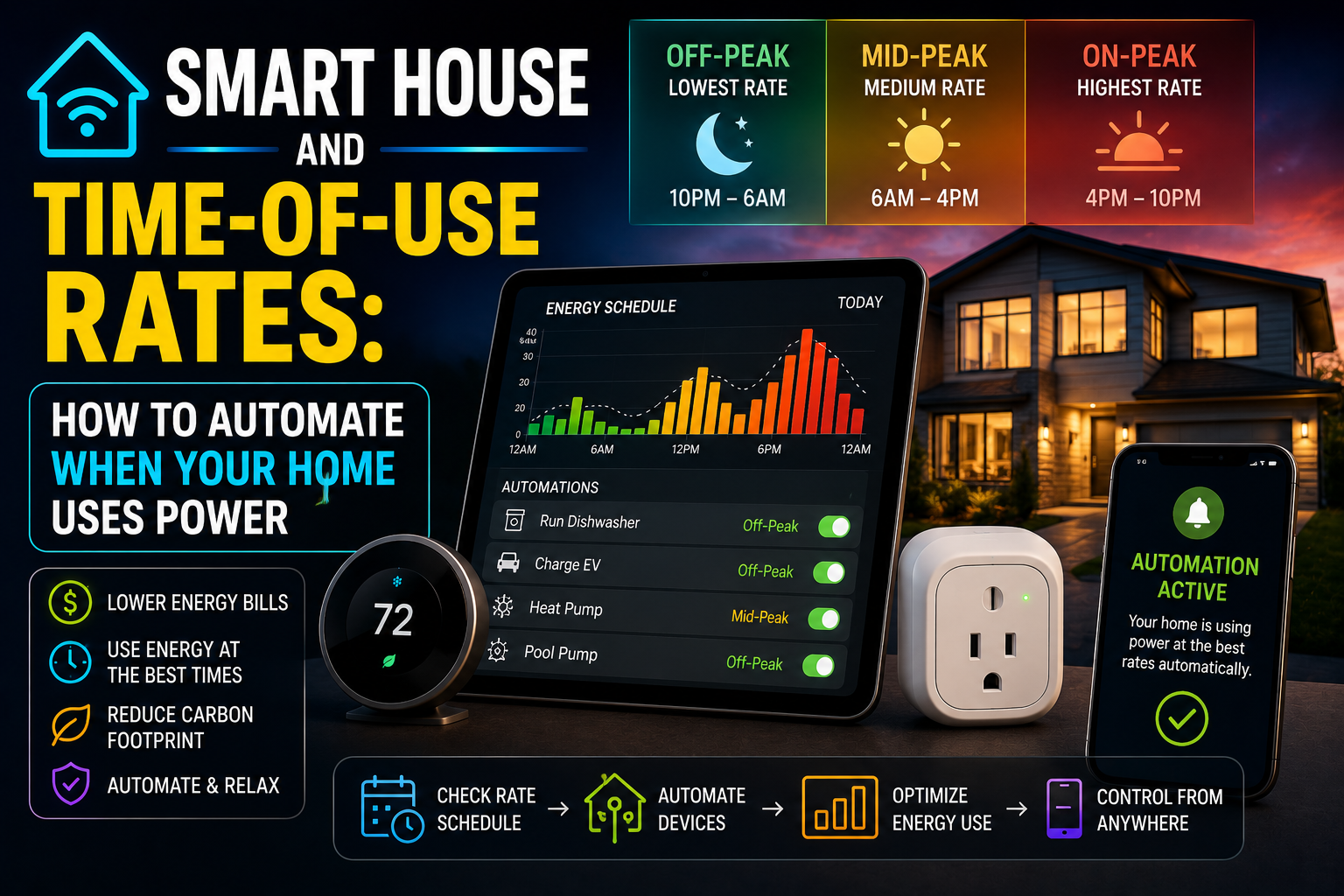
- Dynamic electricity pricing integration
- Automated optimization algorithms
- Room-by-room energy analysis
As smart homes become increasingly intelligent, air conditioning systems will play a central role in overall energy management strategies.
Conclusion
Measuring AC usage in a smart house is one of the most effective ways to gain control over household energy consumption. Rather than relying on assumptions, modern monitoring tools provide accurate data that reveals how air conditioners perform under real-world conditions.
Whether you use a smart plug, a whole-home energy monitor, or advanced smart thermostat analytics, understanding your air conditioner’s energy consumption creates opportunities for meaningful savings and improved comfort. By establishing a baseline, analyzing usage patterns, identifying inefficiencies, and implementing smart automation, homeowners can reduce cooling costs without sacrificing indoor comfort.
In an era of rising energy awareness and increasingly connected homes, monitoring air conditioning usage is no longer just a technical exercise—it’s a practical step toward building a smarter, more efficient, and more comfortable home.