


The bedroom is one of the best rooms to make smart, and one of the most overlooked. People rush to automate their living rooms and front doors, but the bedroom is where a few well-chosen smart devices quietly improve two things you do every single day: falling asleep and waking up. A smart bedroom is not about gadgets for their own sake. Done well, it is about removing small frictions, the cold room on a winter morning, the fumble for a light switch, the harsh jolt of an alarm, so that your days start and end a little better.
This guide walks a complete beginner through building a simple, effective smart bedroom. It focuses on the devices that genuinely matter for rest and routine, in a sensible order, without turning your private space into a tangle of complicated tech. You can start with one or two pieces and grow from there.
Start With Lighting
Lighting is the foundation of a smart bedroom because it affects both sleep and waking more than any other single factor. The goal is light that supports your body’s natural rhythm rather than fighting it.
A smart bulb in your bedside lamp is the perfect first device. With it, you can dim the light in the evening to a warm, low glow that signals to your body that the day is ending, then control everything from bed without reaching for a switch. Bright, cool light late at night works against sleep, so the ability to shift to warm, dim light in the evening is genuinely valuable, not just convenient.
If you can add a second smart bulb or light source, consider a soft path or floor light that can come on at very low brightness, useful for navigating the room at night without a jarring overhead light. Whatever you choose, the priorities are smooth dimming to a genuinely low level and warm tones for the evening. Color is a fun bonus but secondary to comfortable, adjustable white light in a bedroom.
Add Comfort Control
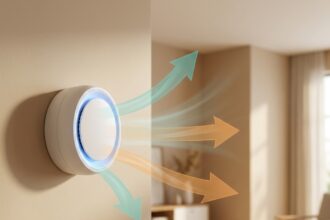
The second pillar of a smart bedroom is temperature and air. Sleep quality is closely tied to a comfortable, slightly cool sleeping environment, and waking up is far more pleasant in a room that has already warmed to a comfortable temperature.
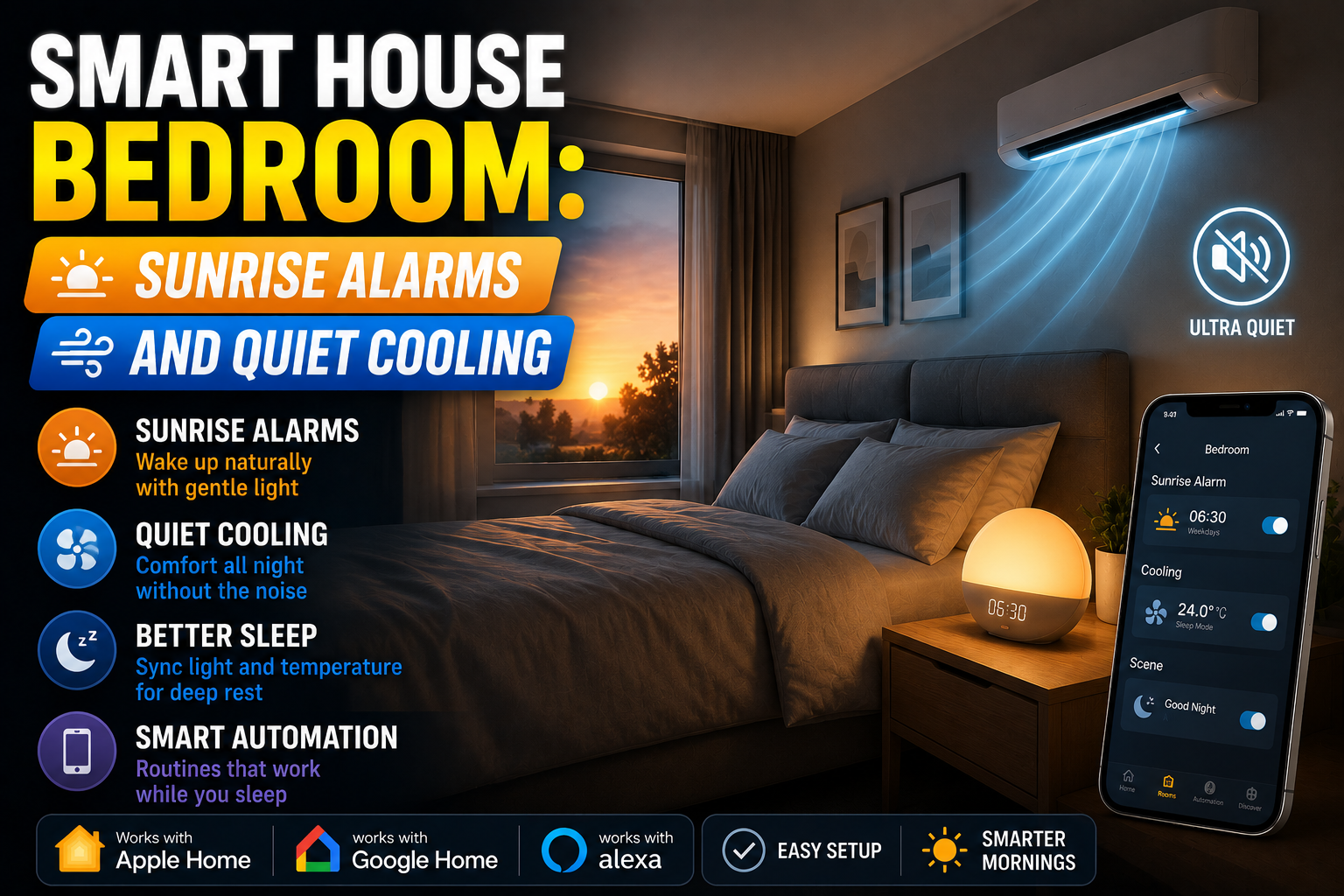
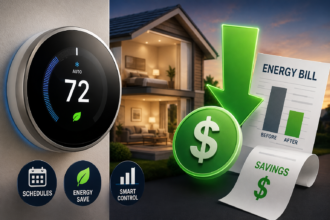
If you have a smart thermostat, the bedroom benefits enormously from automations that lower the temperature to your preferred sleeping level at night and bring it back up before your alarm. You drift off in a cool room and wake in a comfortable one, without touching anything. If a smart thermostat is not in your plans, a smart plug controlling a fan, space heater, or air purifier can deliver some of the same benefit on a schedule, switching comfort devices on and off at the right times. Always use appropriate, safe devices for any heating, and never leave unsafe appliances unattended on automation.
A smart plug for a fan is a particularly easy win. Many people sleep better with white noise and airflow, and a scheduled fan that runs through the night and switches off in the morning adds comfort with a single inexpensive device.
Improve Your Wake-Up
How you wake up sets the tone for your day, and this is where a smart bedroom shines. Instead of being jolted awake by a sudden alarm, you can wake more gently and start the day with your room already prepared.
A sunrise-style wake-up, where your bedside light gradually brightens before your alarm, mimics natural dawn and helps many people wake more gently. You can create this with a smart bulb that slowly increases in brightness on a schedule. Paired with a good morning routine, your light brightens, the room warms, and perhaps soft music or the day’s weather begins, all before or as you wake.
This is the single most appreciated feature of a smart bedroom for many people. Waking to a slowly brightening room rather than darkness and a blaring alarm is a small change with an outsized effect on how mornings feel, especially in dark winter months.
Consider Sound
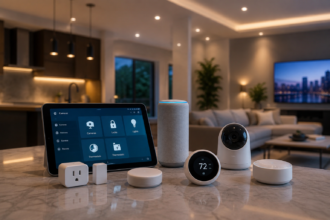
Sound is an optional but rewarding layer. A smart speaker in the bedroom can play calming sounds or music to fall asleep to, deliver a gentle wake-up, and respond to voice commands so you can control your lights and other devices hands-free from bed. Being able to say good night and have your whole room settle, lights off, fan on, temperature set, is one of the most satisfying smart home experiences.
If you add a speaker, think about privacy and placement based on your comfort with a microphone in the bedroom. Some people love the convenience; others prefer to keep voice assistants out of their sleeping space. Both are valid. If you prefer no microphone, a simple smart button by the bed can trigger your routines without any always-listening device.
Tie It Together With Two Routines
The magic of a smart bedroom comes from automation, and you only need two routines to capture most of the benefit.
The first is a good night routine. With a single voice command or button press, it turns off your main lights, leaves a soft light on if you want one, sets your comfort devices for sleep, and confirms anything you want handled before bed. This replaces the small nightly checklist with one action.
The second is a good morning routine, ideally tied to your wake-up time. It gradually brightens your light, brings the room to a comfortable temperature, and optionally starts soft music or reads the day’s outlook. Together, these two routines bookend your day, easing you into sleep and easing you into waking. Build them once, refine them over a week, and they quietly improve your rest and your mornings indefinitely.
A Sensible Build Order
Start with a single smart bulb in your bedside lamp and learn to dim and schedule it. Add comfort next, whether through a smart thermostat automation or a smart plug for a fan, so your sleeping environment is right without effort. Set up a sunrise wake-up to transform your mornings. Then, if you want, add a speaker or button for hands-free control and build your two bookend routines.
This staged approach keeps costs low and avoids overwhelming your private space with technology. Each step delivers a clear benefit you can feel immediately, and you stop whenever you have enough. A smart bedroom does not need to be elaborate to be excellent; even just a dimming bedside light and a sunrise wake-up meaningfully improve daily life.
What to Avoid in a Bedroom
Resist over-automating your most personal space. Motion-activated lights that switch on when you roll over, overly complex scenes, and too many always-listening devices can make a bedroom feel busy and intrusive rather than restful. The bedroom rewards restraint. Choose a few devices that directly serve sleep and waking, and leave the elaborate automations for other rooms.
Be thoughtful about light and screens too. The point of smart lighting in the bedroom is to support rest, so lean into warm, dim evening light rather than bright, cool tones late at night. Used this way, your smart bedroom works with your body’s rhythms instead of against them.
The Bottom Line
A smart bedroom, built well, improves the two things you do there every day: falling asleep and waking up. Start with a smart bedside bulb for warm, dimmable, bed-controlled light. Add comfort through a smart thermostat automation or a simple smart plug for a fan. Transform your mornings with a sunrise wake-up, and tie everything together with a good night and a good morning routine. Build in stages, favor restraint over gadget overload, and choose devices that genuinely serve rest. The result is a private space that quietly helps you sleep better and wake up gentler, which is exactly what a bedroom should do.
Frequently Asked Questions
What is the best first device for a smart bedroom?
A smart bulb in your bedside lamp. It lets you dim to a warm, low glow in the evening, control the light from bed, and schedule a gentle wake-up. It directly improves both falling asleep and waking, making it the highest-value starting point for a smart bedroom.
Can I get a sunrise wake-up without a special alarm clock?
Yes. A regular smart bulb can gradually increase its brightness on a schedule before your alarm, mimicking a sunrise. Paired with a morning routine, your light brightens and your room prepares as you wake, with no dedicated sunrise alarm device required.
Should I put a voice assistant in my bedroom?
That is a personal choice. A smart speaker enables hands-free control and bedtime sounds, which many people love, but it means a microphone in your sleeping space. If you prefer no always-listening device, a simple smart button by the bed can trigger your routines instead.
How can I make my bedroom cooler for sleep automatically?
If you have a smart thermostat, create an automation that lowers the temperature to your sleeping preference at night and raises it before your alarm. Without one, a smart plug controlling a fan on a schedule can improve airflow and comfort, switching on at bedtime and off in the morning.
Do I need a lot of devices for a smart bedroom?
No. Even a single dimming bedside bulb and a sunrise wake-up meaningfully improve daily life. The bedroom rewards restraint, so a few well-chosen devices that serve sleep and waking are better than an elaborate, over-automated setup in such a personal space.