



Indoor air quality has become a growing concern for homeowners, especially as smart home technology continues to expand. While many people focus on temperature, humidity, and energy efficiency, one of the most overlooked aspects of a healthy home environment is carbon dioxide (CO₂) concentration.
High CO₂ levels can affect concentration, productivity, sleep quality, and overall comfort. In modern, energy-efficient homes that are designed to reduce heat loss, poor ventilation can unintentionally cause carbon dioxide levels to rise throughout the day.
Fortunately, smart CO₂ monitors provide an effective solution. These devices continuously measure indoor air quality and help homeowners identify when ventilation is needed. Combined with proper placement and smart home automation, CO₂ monitoring can significantly improve indoor comfort and create a healthier living environment.
In this guide, we’ll explore how CO₂ monitors work, why they matter, the key features to look for, and the best placement strategies for accurate readings in a smart home.
Why Indoor CO₂ Levels Matter
Carbon dioxide is a naturally occurring gas produced whenever humans and animals breathe.
In outdoor environments, CO₂ levels are typically around 400–450 parts per million (ppm). Indoors, however, concentrations can rise rapidly when ventilation is insufficient.
Common Symptoms of Elevated CO₂ Levels
Many people experience symptoms without realizing that poor air quality is the cause.
Higher indoor CO₂ levels can contribute to:
- Fatigue
- Reduced concentration
- Headaches
- Drowsiness
- Poor sleep quality
- Reduced cognitive performance
These effects become particularly noticeable in bedrooms, home offices, classrooms, and meeting rooms where multiple people occupy the same space for extended periods.
CO₂ as an Indicator of Ventilation Quality
Although carbon dioxide itself is generally not dangerous at typical residential levels, it serves as an excellent indicator of how effectively indoor air is being refreshed.
If CO₂ concentrations continue rising, it often means that other indoor pollutants may also be accumulating, including:
- Volatile organic compounds (VOCs)
- Excess humidity
- Household odors
- Airborne particles
Monitoring CO₂ provides valuable insight into the overall quality of indoor air.
What Is a Smart CO₂ Monitor?
A smart CO₂ monitor is a device that continuously measures carbon dioxide concentration and often tracks additional environmental conditions.
Most modern models monitor:
- CO₂ levels
- Temperature
- Humidity
- Air quality trends
- Historical data
Many devices connect to smartphones, smart home platforms, or cloud dashboards, allowing users to view real-time data from anywhere.
How Smart CO₂ Monitors Work
The most accurate residential monitors use Non-Dispersive Infrared (NDIR) sensors.
NDIR technology measures carbon dioxide concentration by analyzing how CO₂ molecules absorb infrared light.
These sensors are widely considered the gold standard for residential air quality monitoring due to their reliability and long-term accuracy.
Key Features to Look for in a CO₂ Monitor
Not all air quality monitors offer the same level of performance.
NDIR Sensor Technology
When purchasing a CO₂ monitor, NDIR technology should be a priority.
Lower-cost devices sometimes estimate CO₂ levels indirectly, which can lead to inaccurate readings.
True NDIR sensors provide significantly better accuracy.
Real-Time Alerts
Smart notifications can alert users when CO₂ levels exceed recommended thresholds.
This feature is especially useful in:
- Home offices
- Bedrooms
- Children’s rooms
- Apartments with limited ventilation
Instead of manually checking readings, homeowners receive instant alerts when fresh air is needed.
Historical Data Tracking
Data trends provide valuable insights into daily air quality patterns.
By reviewing historical reports, users can identify:
- Poorly ventilated rooms
- Seasonal changes
- Occupancy-related spikes
- Inefficient ventilation schedules
These insights help optimize indoor comfort over time.
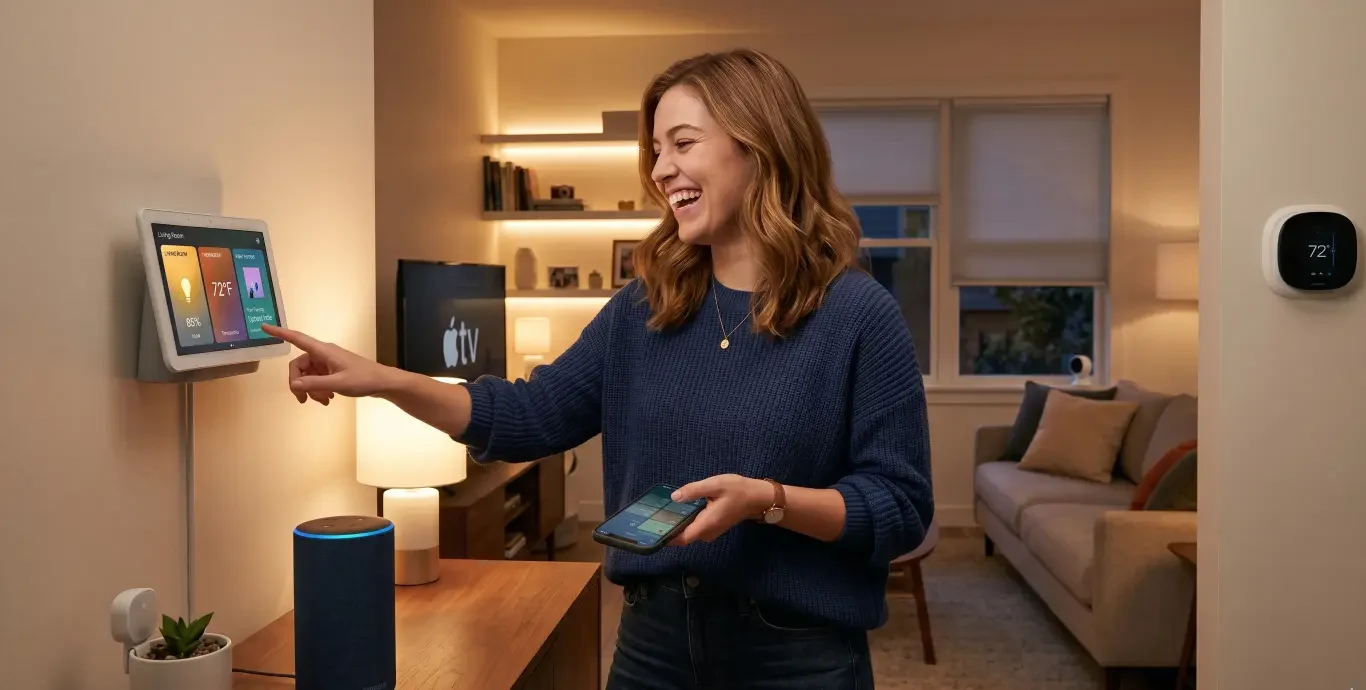
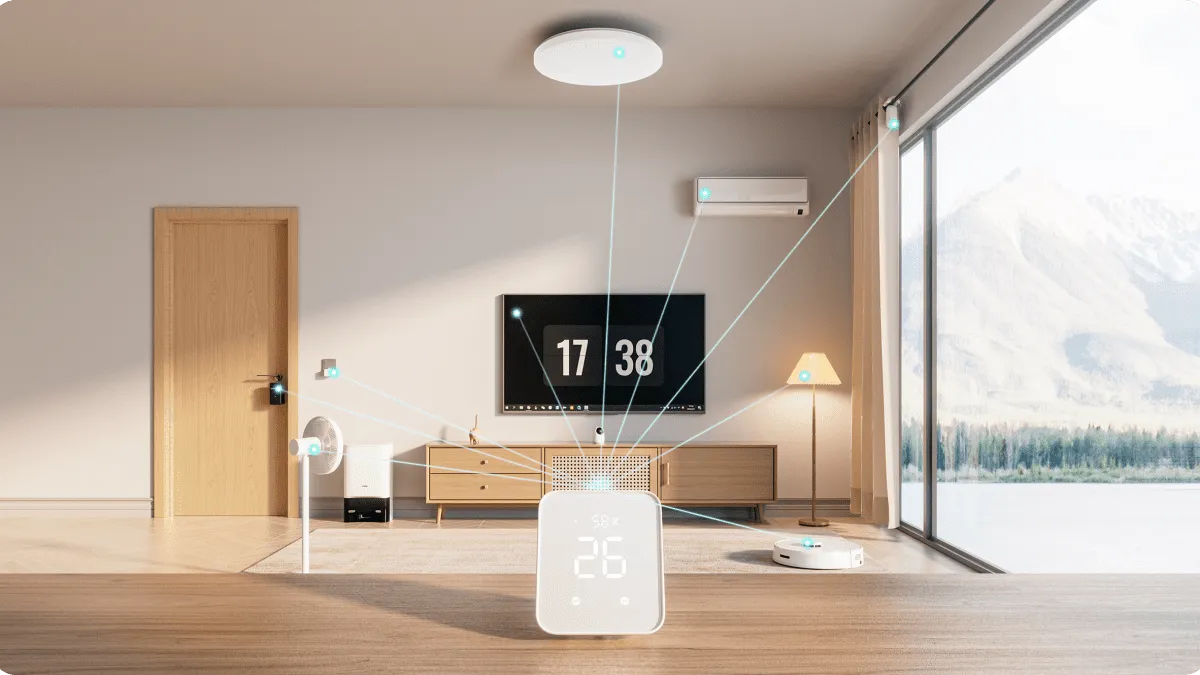
Smart Home Integration
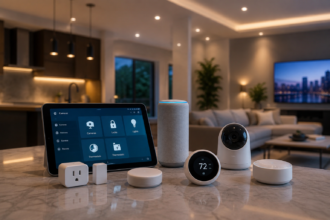
Many advanced CO₂ monitors integrate with:
- Smart thermostats
- Smart ventilation systems
- Air purifiers
- Home automation platforms
- Voice assistants
This integration allows automated responses when air quality declines.
For example, a smart ventilation system can automatically activate when CO₂ levels exceed a predefined threshold.
Best Types of CO₂ Monitors for Smart Homes
Standalone Smart CO₂ Monitors
These devices focus primarily on measuring carbon dioxide and environmental conditions.
Advantages include:
- High accuracy
- Easy installation
- Portable design
- Detailed air quality reports
They are ideal for homeowners who want dedicated air quality monitoring.
Multi-Sensor Air Quality Monitors
Many modern devices combine several sensors into a single unit.
Common measurements include:
- CO₂
- PM2.5 particles
- VOCs
- Humidity
- Temperature
These all-in-one solutions provide a broader picture of indoor environmental quality.
Professional-Grade Indoor Air Monitors
For users seeking maximum accuracy, professional-grade monitors offer advanced calibration and higher-quality sensors.
These systems are particularly useful for:
- Home offices
- Smart buildings
- Allergy-sensitive households
- Energy-efficient homes with mechanical ventilation
Although more expensive, they provide exceptionally detailed data.
Best Placement for CO₂ Monitors
Proper placement is just as important as choosing the right monitor.
Even the most advanced device can produce misleading readings if installed incorrectly.
Place Monitors at Breathing Height
For accurate measurements, monitors should generally be positioned at typical breathing height.
This usually means:
- Around 1 to 2 meters above the floor
- On shelves or desks
- Away from direct airflow sources
This placement reflects the air people actually breathe.
Avoid Windows and Doors
Open windows and exterior doors can temporarily alter CO₂ concentrations.
Placing monitors too close to these areas may result in inconsistent readings.
Instead, position them in representative locations where occupants spend most of their time.
Keep Away from HVAC Vents
Heating and cooling vents can distort measurements by introducing fresh or conditioned air directly onto the sensor.
A monitor placed beside a vent may underestimate actual room CO₂ levels.
Maintaining some distance from HVAC equipment improves measurement accuracy.
Best Rooms for CO₂ Monitoring
Bedrooms
Bedrooms are often the most important location for CO₂ monitoring.
Many modern homes are highly insulated, and bedroom doors typically remain closed overnight.
As a result, CO₂ concentrations can rise significantly while occupants sleep.
Monitoring these levels can help improve sleep quality and morning alertness.
Home Offices
Remote work has increased the amount of time people spend indoors.
In small offices, CO₂ can build up surprisingly quickly, especially during long work sessions.
A monitor can indicate when ventilation is needed to maintain concentration and productivity.
Living Rooms
Living rooms often accommodate multiple occupants simultaneously.
Family gatherings, movie nights, or social events can cause CO₂ levels to rise rapidly.
Monitoring shared spaces helps maintain comfort throughout the day.
Children’s Rooms
Children spend considerable time indoors, making air quality particularly important.
Parents increasingly use smart air quality monitors to ensure healthy sleeping and study environments.
Real-World Example
Consider a family living in a modern apartment with excellent insulation.
They frequently complained about feeling tired during winter evenings despite maintaining comfortable temperatures.
After installing a smart CO₂ monitor in the living room, they discovered levels regularly exceeded 1,500 ppm after several hours of occupancy.
By introducing scheduled ventilation and using smart automation to remind them when fresh air was needed, they significantly improved indoor comfort and reduced feelings of fatigue.
This example demonstrates how air quality can influence daily well-being even when temperature conditions appear ideal.
Understanding CO₂ Reading Levels
As a general guideline:
Below 800 ppm
Excellent indoor air quality.
800–1,000 ppm
Good ventilation and comfortable conditions.
1,000–1,500 ppm
Ventilation improvements may be beneficial.
Above 1,500 ppm
Fresh air exchange is recommended.
Above 2,000 ppm
Poor ventilation conditions requiring attention.
These values provide useful reference points for interpreting monitor data.
Smart Automation for Better Air Quality
One of the greatest advantages of modern CO₂ monitoring is automation.
Smart homes can automatically respond when air quality changes.
Examples include:
- Activating ventilation systems
- Opening motorized windows
- Running air circulation fans
- Sending smartphone alerts
- Adjusting HVAC settings
This proactive approach improves comfort without requiring constant user intervention.
Conclusion
Smart CO₂ monitors have become an essential tool for homeowners seeking healthier indoor environments and improved air quality. By providing accurate, real-time information about carbon dioxide levels, these devices help identify ventilation issues before they impact comfort, concentration, or sleep quality.
Choosing a monitor with a reliable NDIR sensor, smart connectivity, and historical data tracking can provide valuable insights into how your home performs throughout the day. Equally important is proper placement in key areas such as bedrooms, home offices, and living rooms.
As smart home technology continues to evolve, CO₂ monitoring is becoming an increasingly important component of creating healthier, more comfortable, and more energy-efficient living spaces. For homeowners looking to optimize indoor climate and comfort, a quality CO₂ monitor is one of the smartest investments they can make.