


A smart thermostat is often the device that finally convinces people a smart home is more than a toy. Lights and plugs are fun, but a thermostat touches the single largest energy cost in most homes: heating and cooling. The promise is appealing. The thermostat learns your schedule, adjusts itself when you are away, and trims your energy bill while keeping you comfortable. But promises and reality do not always match, and the honest answer to “is it worth it” is “it depends.” This guide explains exactly how these devices work and helps you decide whether one makes sense for your specific home.
What a Thermostat Actually Does
Before we get to “smart,” it helps to understand the humble device on your wall. A thermostat is essentially a switch with a temperature sensor. You set a target temperature, and when the room drifts away from it, the thermostat tells your heating or cooling system to turn on until the target is reached, then shuts it off. That is the entire job. Everything a smart thermostat adds is built on top of this basic on-off control.
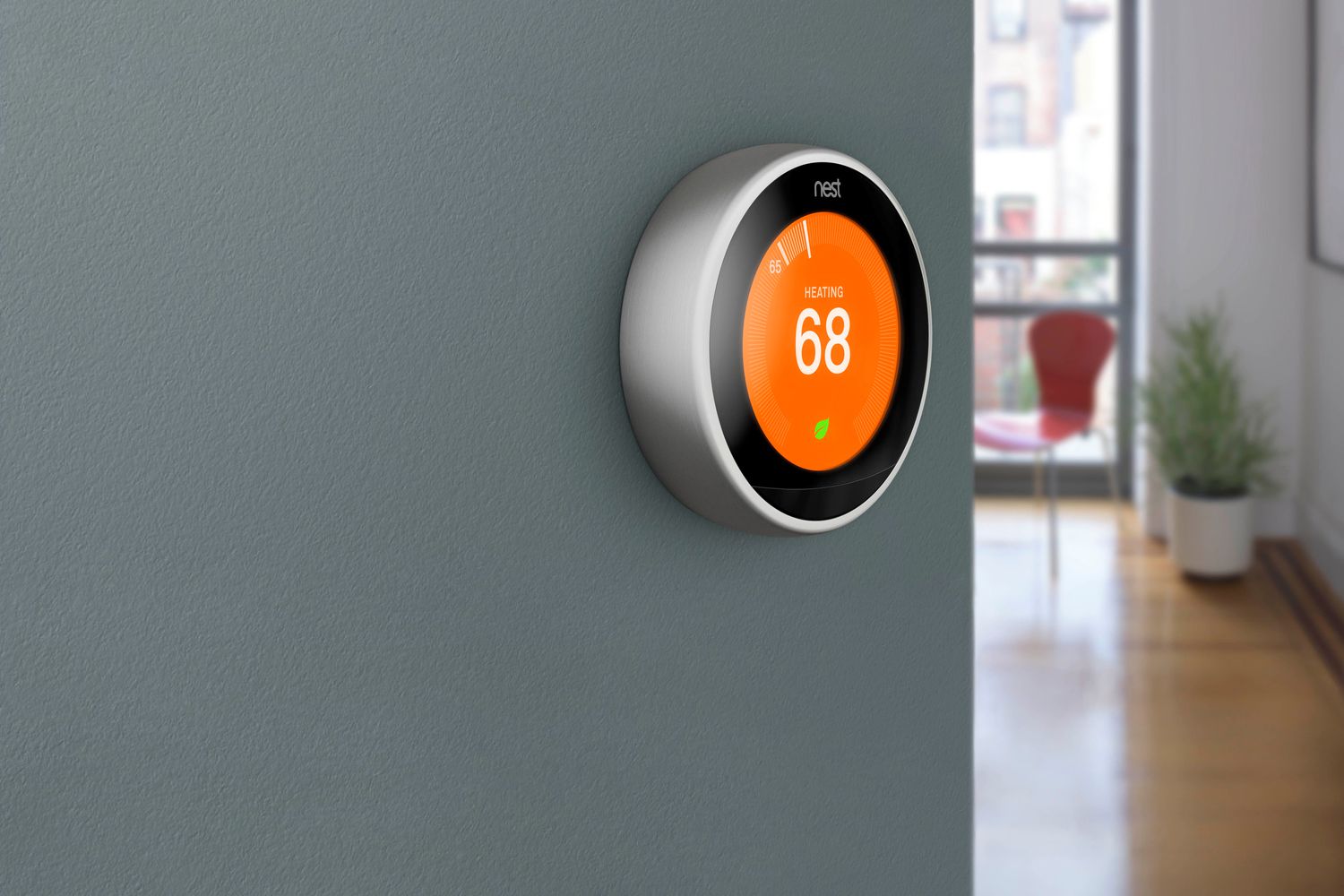
An old manual thermostat holds a single temperature until you change it by hand. A programmable thermostat lets you set a schedule, lowering the temperature at night or while you are at work. A smart thermostat takes the programmable idea and connects it to the internet, your phone, sensors, and automation, so the schedule can adapt instead of staying fixed.
How a Smart Thermostat Works, Step by Step
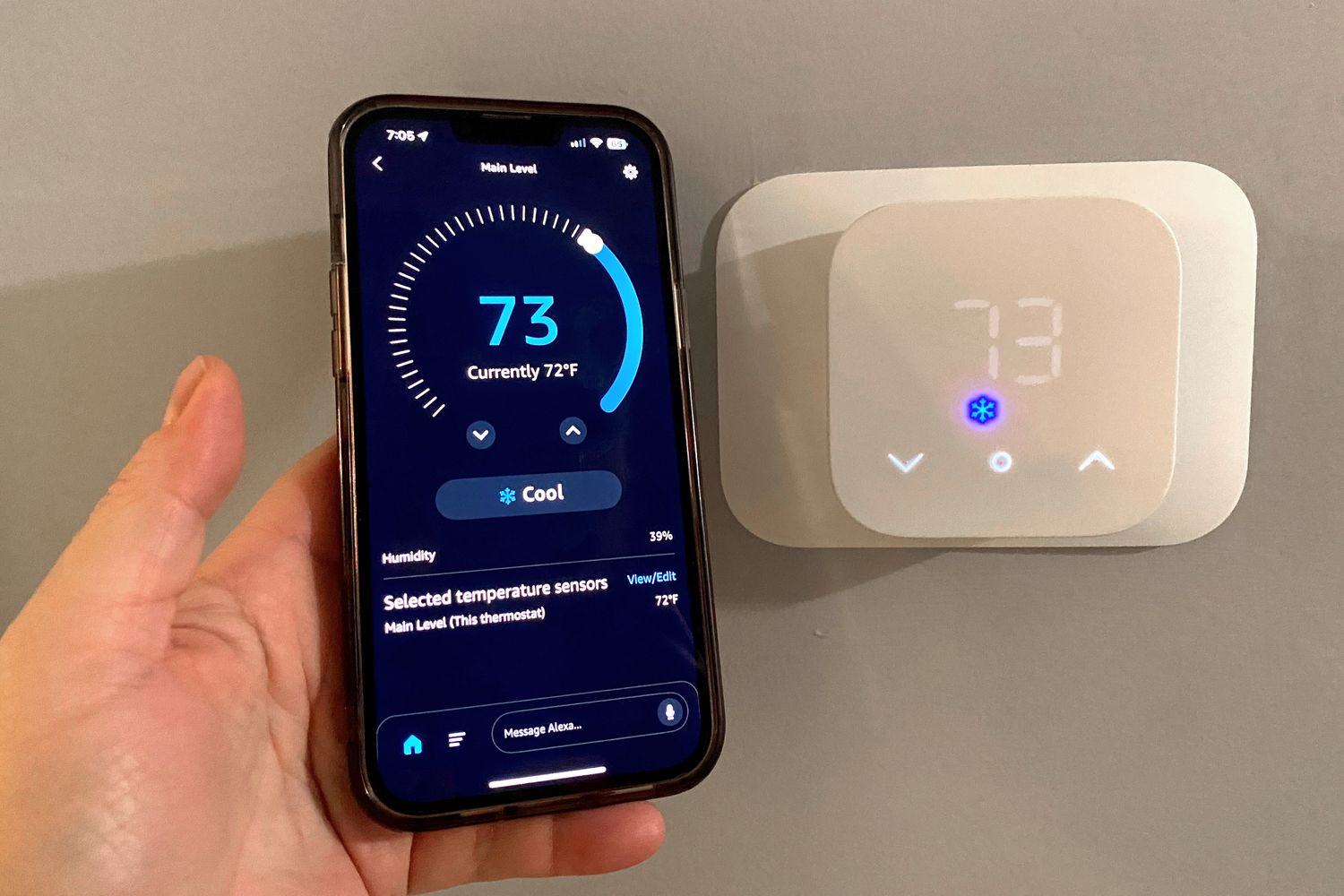
A smart thermostat combines several capabilities that a basic model lacks. First, it connects to your home Wi-Fi, which lets you control it from your phone anywhere, see your home’s temperature, and adjust settings without standing in the hallway. This alone is a meaningful convenience, especially for adjusting the temperature before you arrive home.
Second, many models learn your patterns. Over the first weeks, they observe when you raise or lower the temperature and begin building a schedule automatically, anticipating your routine rather than waiting for you to program every detail.
Third, they use presence detection. By sensing motion in the home or tracking when your phone leaves and returns, the thermostat can ease back on heating and cooling when the house is empty and bring it back to comfort before you walk in. This away-savings behavior is where most of the genuine energy savings come from.
Fourth, they provide insight. Smart thermostats typically show energy reports, runtime history, and tips, turning your invisible heating and cooling habits into something you can actually see and improve. Many people save simply because, for the first time, they understand what their system is doing.
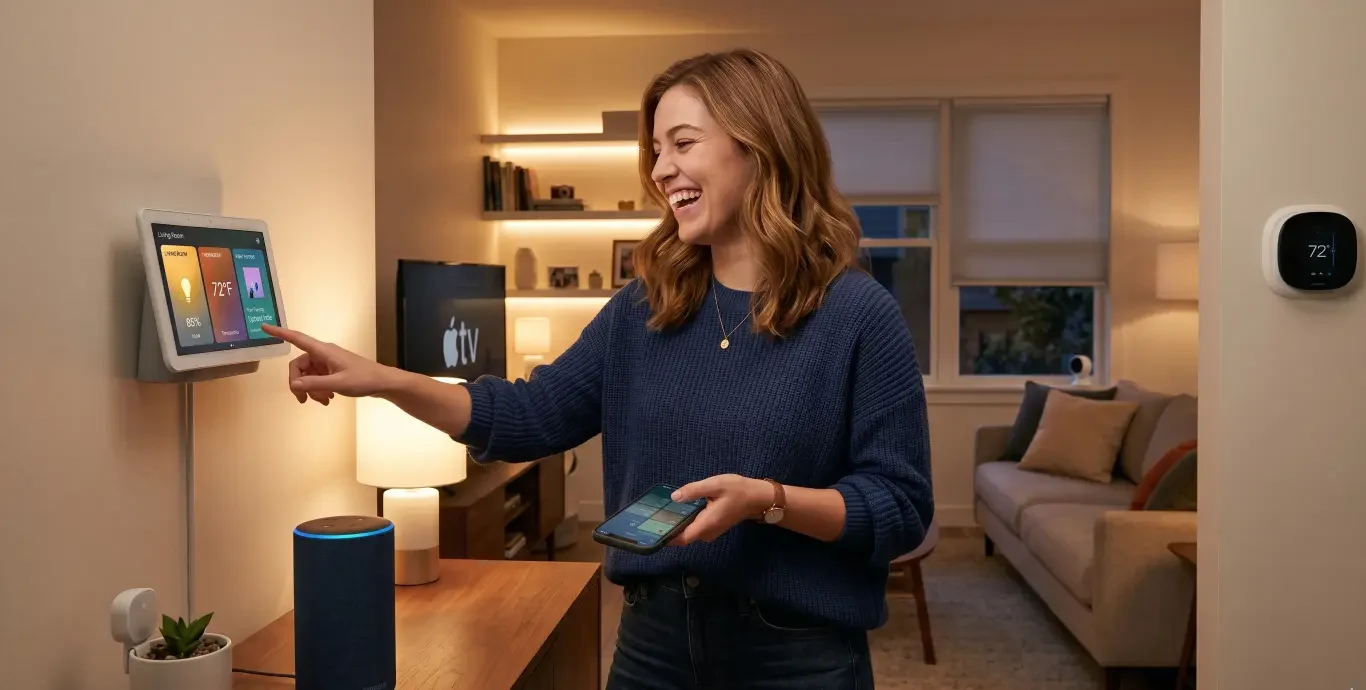
Finally, they integrate with the broader smart home. You can include the thermostat in routines, so saying “good night” lowers it, or “I’m leaving” sets it to away mode, tying your climate control into the rest of your automations.
Where the Savings Really Come From
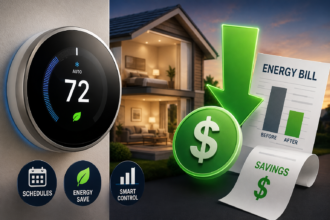
It is worth being precise about this, because exaggerated savings claims are common. A smart thermostat does not heat or cool more efficiently than a regular one. The furnace and air conditioner behind it do the same physical work. The savings come entirely from running that equipment less, at smarter times.
The biggest lever is not heating or cooling an empty house at full comfort. If your old habit was leaving the temperature constant all day while everyone was out, a smart thermostat that eases back during those hours saves real money. The second lever is better scheduling, especially overnight setbacks. The third is the awareness effect: once you can see your usage, you naturally make better choices.
This is why the savings vary so much between households. A family that already used a programmable thermostat carefully will save little, because they were already doing the smart thing manually. A household that left the temperature constant around the clock will save far more, because there was a lot of waste to eliminate. Your potential savings depend on how wasteful your current habits are.
Is a Smart Thermostat Worth It for You?
The answer hinges on a few honest questions about your home and habits.
Consider your current habits first. If you already program your thermostat carefully and adjust it diligently, a smart model adds convenience but modest savings. If you set a temperature and forget it, leaving the system running while the house sits empty, the savings potential is much larger.
Consider your schedule next. Smart thermostats shine when the home is regularly empty for predictable stretches, such as during work or school hours. They save the most by easing back during those empty periods. If someone is home all day every day, the away-savings benefit shrinks, though convenience and scheduling still apply.
Consider your heating and cooling system. Smart thermostats work best with common central heating and cooling systems. Some setups, such as certain high-voltage electric heating, multi-stage systems, or homes without a compatible wire, need a specific compatible model or a workaround. Always check compatibility with your system before buying, since this is the most common reason a purchase goes wrong.
Consider your climate. In regions with strong heating or cooling demand and big temperature swings between occupied and empty periods, the savings opportunity is larger. In very mild climates where the system barely runs, the financial case is weaker, though convenience remains.
The Convenience Case, Beyond Savings
Even when the dollar savings are modest, many owners find a smart thermostat worth it purely for comfort and control. Adjusting the temperature from bed on a cold morning, warming the house before you arrive home, getting alerts if the temperature drops dangerously while you are away, and seeing exactly how your system behaves are genuine quality-of-life improvements that a basic thermostat cannot offer.
For people who travel, a smart thermostat offers peace of mind, letting them confirm the home is not freezing or overheating and adjust remotely. For households juggling unpredictable schedules, the ability to override and adjust from a phone removes the daily friction of walking to the wall. These benefits do not show up on an energy bill, but they are real reasons people keep their smart thermostats.
Installation: What to Expect
Many smart thermostats are designed for confident DIY installation, swapping out the old unit by matching a handful of low-voltage wires. The process is usually beginner-friendly, with apps that guide you through labeling and connecting wires. That said, two things commonly cause trouble: missing a particular wire that the new thermostat needs for power, and incompatibility with unusual systems.
Before buying, use the manufacturer’s online compatibility checker, which asks you to photograph or list your current wiring. If your system is unusual or you are uncomfortable working with wiring, professional installation is inexpensive relative to the device and removes the risk. There is no shame in hiring a pro for a job that touches your home’s heating and cooling.
The Bottom Line
A smart thermostat works by combining ordinary on-off temperature control with Wi-Fi connectivity, learning, presence detection, and energy insight. It does not heat or cool more efficiently; it saves money by running your system less and at smarter times, which means the savings depend heavily on how wasteful your current habits are. If you currently leave your system running in an empty house, the financial case is strong. If you already manage temperature carefully, the appeal is more about convenience and control than dramatic savings. Check compatibility with your system first, be realistic about your habits, and you will know whether a smart thermostat is a smart buy for your home.
Frequently Asked Questions
How much can a smart thermostat actually save me?
It varies widely depending on your habits, schedule, climate, and how wasteful your current setup is. Households that previously heated or cooled an empty home at full comfort save the most, while those who already programmed their thermostat carefully save little. The savings come from running the system less, not from greater efficiency.
Will a smart thermostat work with my heating system?
Most common central heating and cooling systems are supported, but some setups need a specific compatible model or a workaround. Always use the manufacturer’s compatibility checker before buying, as incompatibility is the most common reason a purchase goes wrong.
Can I install a smart thermostat myself?
Often yes. Many are designed for DIY installation with app-guided steps for connecting a few low-voltage wires. If your wiring is unusual, your system lacks a needed wire, or you are uncomfortable with the task, professional installation is inexpensive and removes the risk.
Do smart thermostats work without internet?
The thermostat continues to control your temperature locally even if the internet drops, so your home stays comfortable. However, remote control from your phone and some smart features pause until the connection returns. The core heating and cooling function does not depend on the internet.
Is a smart thermostat worth it if someone is always home?
The energy savings are smaller when the home is rarely empty, since much of the saving comes from easing back during empty periods. However, the convenience of remote control, scheduling, and energy insight still applies, so many always-home households value one for comfort rather than savings.