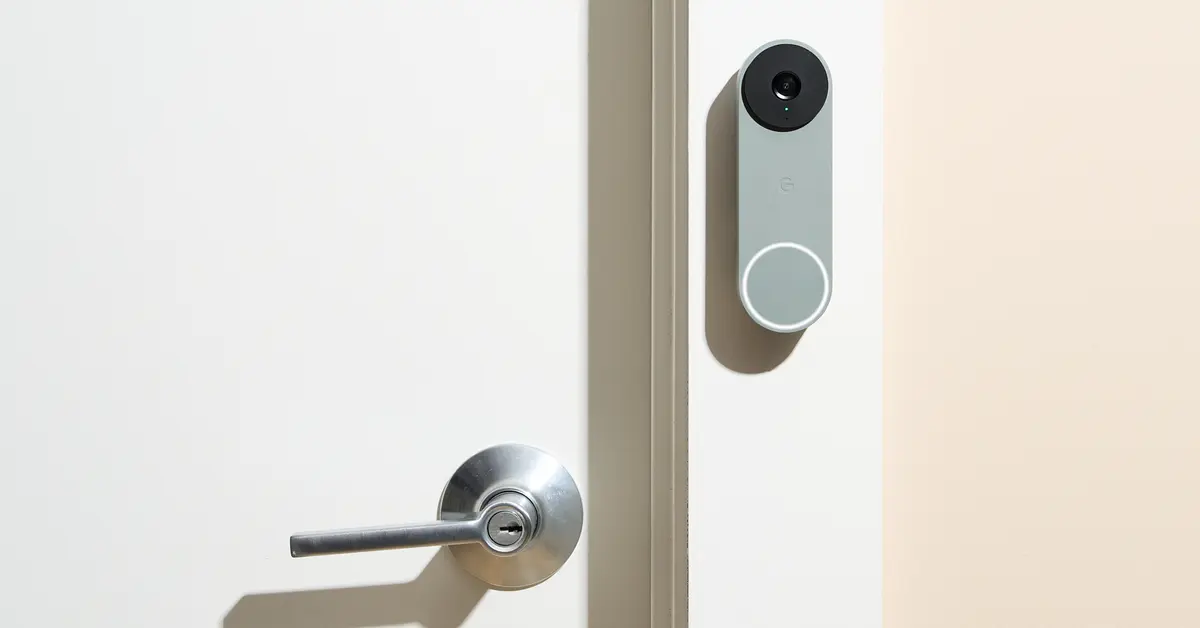
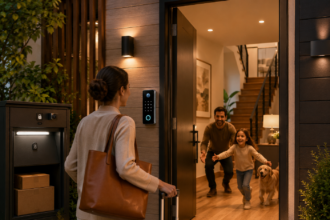
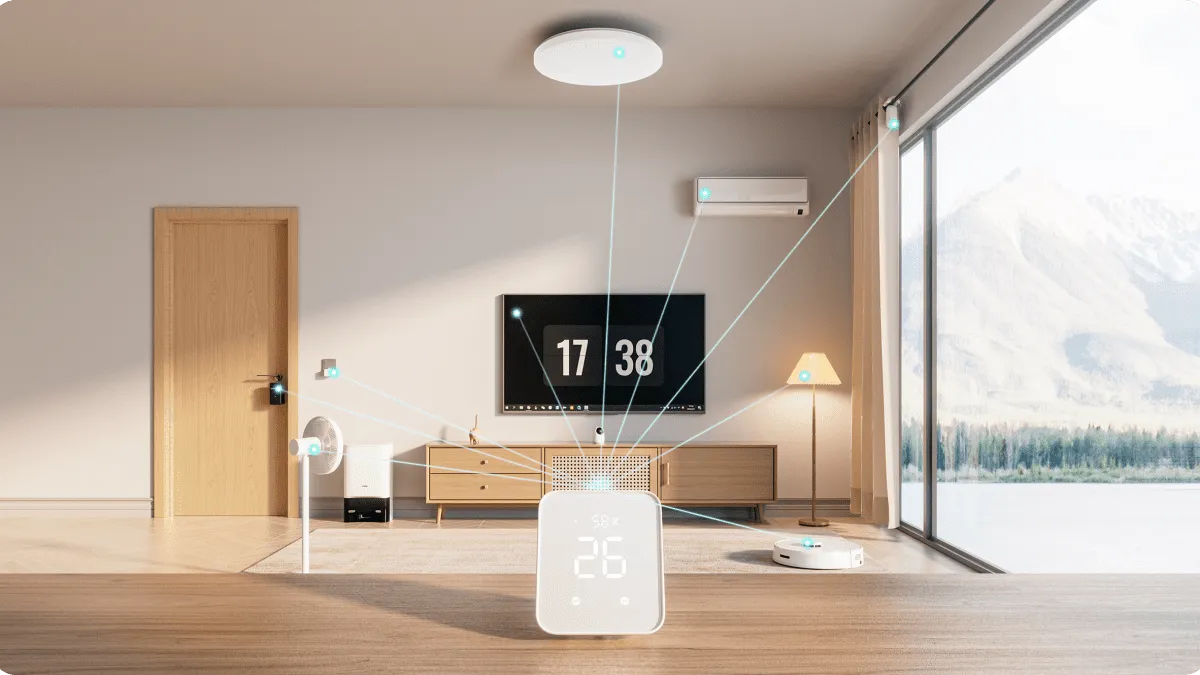
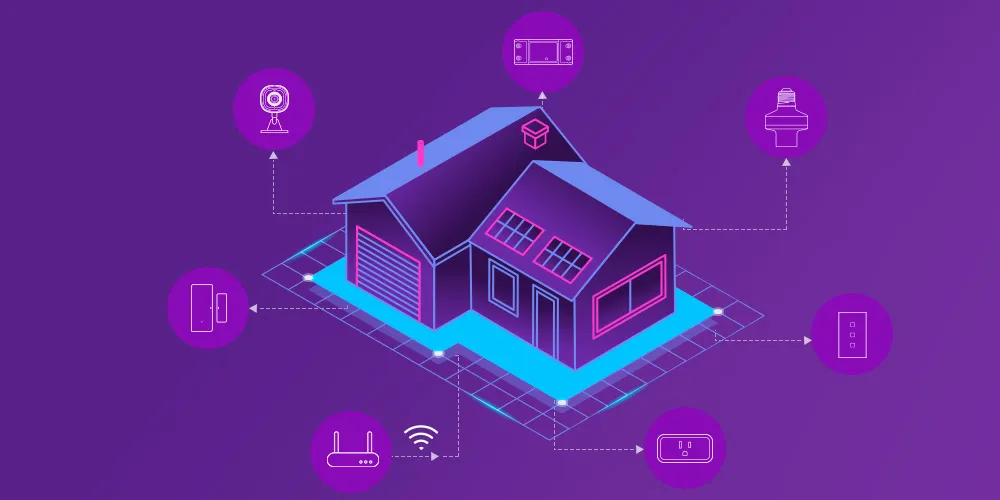


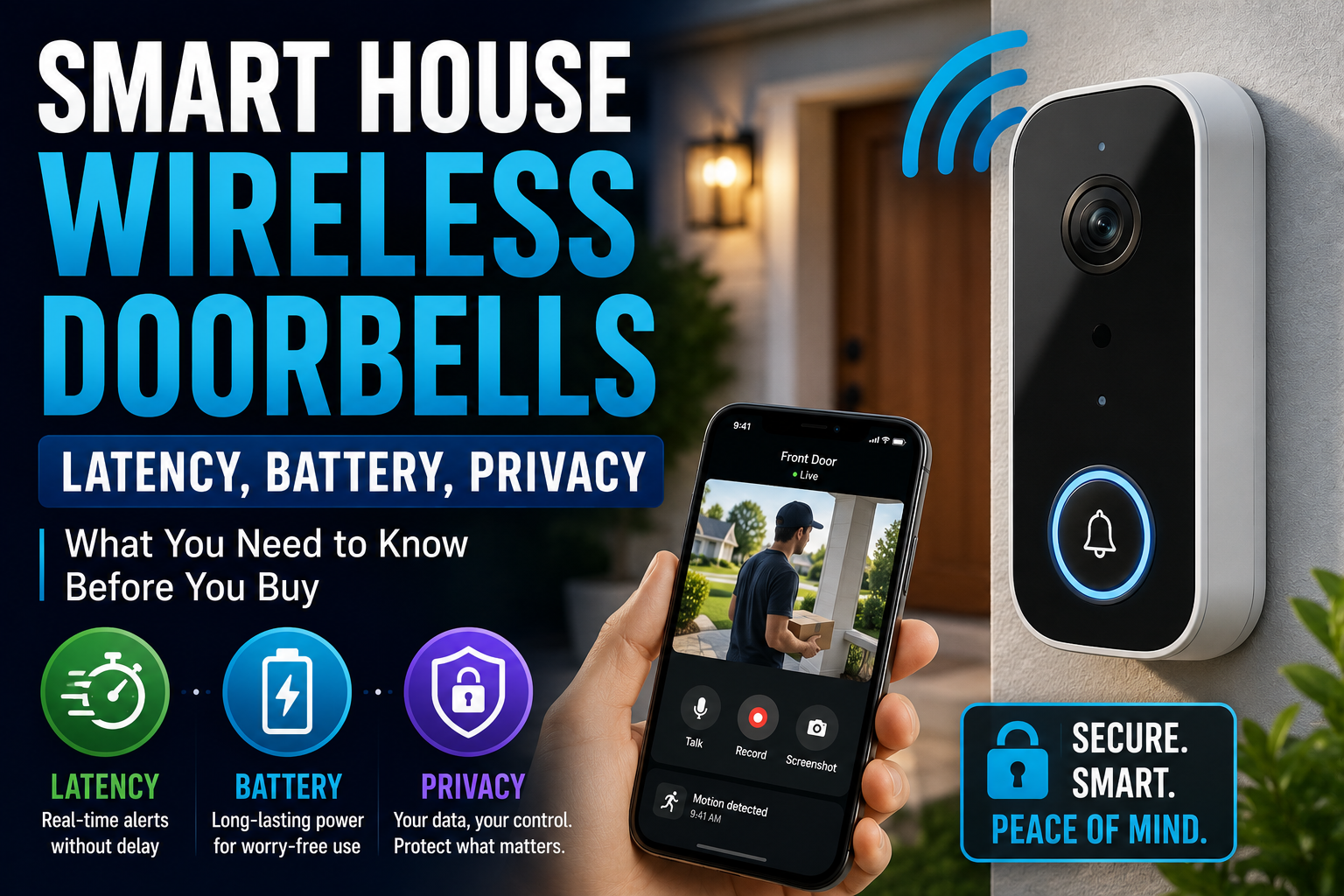
Wireless doorbells have evolved far beyond their original purpose. What was once a simple device designed to announce visitors has become an integral component of the modern smart home. Today’s smart wireless doorbells can stream live video, detect motion, communicate with visitors remotely, integrate with home automation systems, and even use artificial intelligence to distinguish between people, packages, animals, and vehicles.
- The Rise of Smart Wireless Doorbells
- Why Latency Matters More Than Most Buyers Realize
- Understanding Battery Performance
- Practical Ways to Extend Battery Life
- Privacy: The Most Important Consideration
- Smart Home Integration and Privacy Balance
- Real-World Example
- What to Look for When Choosing a Smart Wireless Doorbell
- The Future of Smart Doorbells
- Conclusion
As homeowners continue to embrace smart home technology, wireless doorbells have become one of the most popular upgrades. They offer convenience, security, and peace of mind, allowing users to monitor their front door from virtually anywhere in the world.
However, while manufacturers often emphasize features such as video quality and smart alerts, three factors frequently determine the real-world experience: latency, battery performance, and privacy. A doorbell that delivers delayed notifications may fail to provide timely security information. A battery that requires constant charging can quickly become frustrating. And poor privacy protections can expose sensitive data about your home and daily routines.
Understanding these aspects is essential before investing in a smart wireless doorbell. This guide explores how latency affects responsiveness, why battery performance varies between models, and what privacy considerations every homeowner should evaluate before installation.
The Rise of Smart Wireless Doorbells
The popularity of smart doorbells reflects broader changes in home technology.
Consumers increasingly expect connected devices that offer remote access, automation, and real-time information. Smart doorbells fit naturally into this ecosystem because they combine security, communication, and convenience in a single device.
Modern wireless doorbells can:
- Send instant visitor notifications
- Provide live video feeds
- Record motion events
- Enable two-way audio conversations
- Integrate with smart locks
- Trigger smart lighting routines
- Work with voice assistants
For many homeowners, the doorbell serves as the first layer of home security.
Why Latency Matters More Than Most Buyers Realize
When evaluating smart wireless doorbells, video resolution often receives most of the attention. Yet latency can have a greater impact on the overall user experience.
What Is Latency?
Latency refers to the delay between an event occurring and the user receiving information about that event.
For example:
A visitor presses the doorbell.
The signal travels through:
- The doorbell device
- The home Wi-Fi network
- Cloud servers
- The smartphone application
Only after completing this chain does the homeowner receive a notification.
If the process takes one second, the experience feels nearly instant.
If it takes ten seconds, the visitor may already be walking away.
Common Sources of Delay
Several factors contribute to latency.
Wi-Fi Signal Quality
Weak wireless coverage remains one of the most common causes of delayed notifications.
Doorbells are often installed near exterior walls, garages, gates, or front entrances where Wi-Fi signals may be weaker than inside the home.
A strong network connection is critical for reliable performance.
Internet Connection Speed
Although upload speed is often overlooked, it plays an important role in video transmission.
Smart doorbells continuously send data from the device to cloud servers.
Insufficient bandwidth can increase delays significantly.
Cloud Processing
Many smart doorbells rely on cloud-based processing for:
- Motion detection
- Person recognition
- Video storage
- Alert generation
Additional processing inevitably introduces some delay.
Smartphone Notification Systems
Even after cloud processing is complete, mobile operating systems may delay notifications depending on network conditions and device settings.
Why Low Latency Improves Security
Security events often happen quickly.
Consider a package delivery.
A courier may place the package at the door and leave within seconds.
If notifications arrive too late, homeowners lose the opportunity to interact with the visitor in real time.
Similarly, delayed alerts may reduce the effectiveness of security monitoring during suspicious activity.
Understanding Battery Performance
Battery life is another major factor that influences long-term satisfaction.
Many buyers assume advertised battery estimates reflect real-world performance. In practice, battery life varies considerably based on how the device is used.
Why Battery Life Differs Between Homes
Two households using the same doorbell may experience dramatically different battery performance.
Several variables influence energy consumption.
Motion Detection Frequency
Motion detection is often the largest battery drain.
A quiet suburban home may trigger only a few motion events daily.
By contrast, a busy street may generate hundreds of activations.
More motion events mean more video processing and greater energy consumption.
Video Recording Duration
Longer recordings require additional power.
Doorbells configured to capture extended video clips generally consume more battery than those using shorter recording intervals.
Live View Usage
Frequent use of live video streaming can significantly reduce battery life.
Every live session activates the camera, wireless radio, and processing hardware simultaneously.
Weather Conditions
Extreme temperatures affect battery chemistry.
Cold winter conditions often reduce battery performance, while prolonged heat can accelerate long-term battery degradation.
Wired vs Battery-Powered Doorbells
Homeowners frequently debate whether battery-powered or wired models are better.
Battery-powered units offer:
- Easy installation
- Flexible placement
- No electrical wiring requirements
However, they require periodic charging or battery replacement.
Wired systems eliminate charging concerns but may require professional installation depending on the home’s existing infrastructure.
For households with heavy daily activity, wired solutions often provide greater convenience over time.
Practical Ways to Extend Battery Life
Several adjustments can dramatically improve battery longevity.
Optimize Motion Zones
Most modern doorbells allow users to customize detection areas.
By excluding streets, sidewalks, or neighboring properties, unnecessary activations can be reduced significantly.
Lower Video Quality When Appropriate
While 4K video sounds appealing, higher resolutions consume more energy.
For many homeowners, a moderate resolution provides sufficient image quality while extending battery life.
Reduce Motion Sensitivity
Excessively sensitive settings often generate unnecessary recordings.
Fine-tuning detection sensitivity can improve both battery performance and notification accuracy.
Strengthen Wi-Fi Coverage
Weak signals force wireless devices to transmit at higher power levels.
Improving signal quality through better router placement or mesh networking can reduce energy consumption.
Privacy: The Most Important Consideration
While convenience and security are often the primary selling points, privacy has become an increasingly important issue.
Smart doorbells collect substantial amounts of data.
This may include:
- Video recordings
- Audio recordings
- Motion events
- Visitor interactions
- Device activity logs
Understanding how this information is handled is essential.
Who Has Access to Your Data?
Privacy policies vary between manufacturers.
Some systems process data primarily on the device.
Others rely heavily on cloud services.
Questions homeowners should consider include:
- Where is video stored?
- How long is data retained?
- Who can access recordings?
- Is footage encrypted?
- Can recordings be deleted permanently?
The answers can differ significantly between platforms.
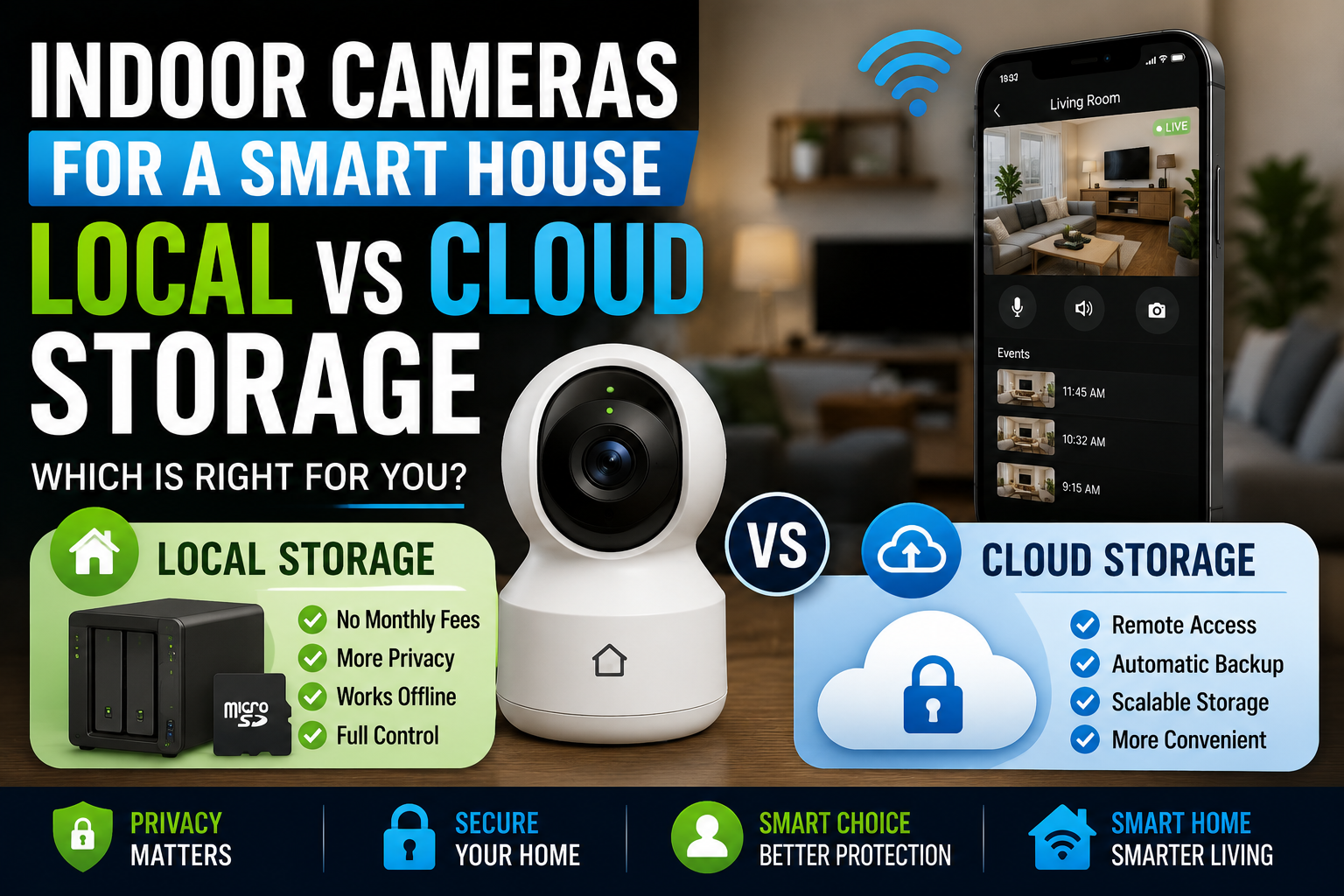
Cloud Storage vs Local Storage
Cloud storage offers convenience because recordings can be accessed remotely from anywhere.
However, cloud storage often involves:
- Subscription fees
- Third-party servers
- Greater privacy considerations
Local storage solutions keep recordings within the home network, reducing external exposure while offering greater control over data.
Many privacy-conscious homeowners prefer hybrid systems that combine local storage with optional cloud backup.
Encryption Matters
Strong encryption protects data both during transmission and storage.
Without proper encryption, video feeds and recordings could potentially be intercepted or accessed by unauthorized parties.
Modern smart home devices should support encrypted communication as a basic security feature.
Smart Home Integration and Privacy Balance
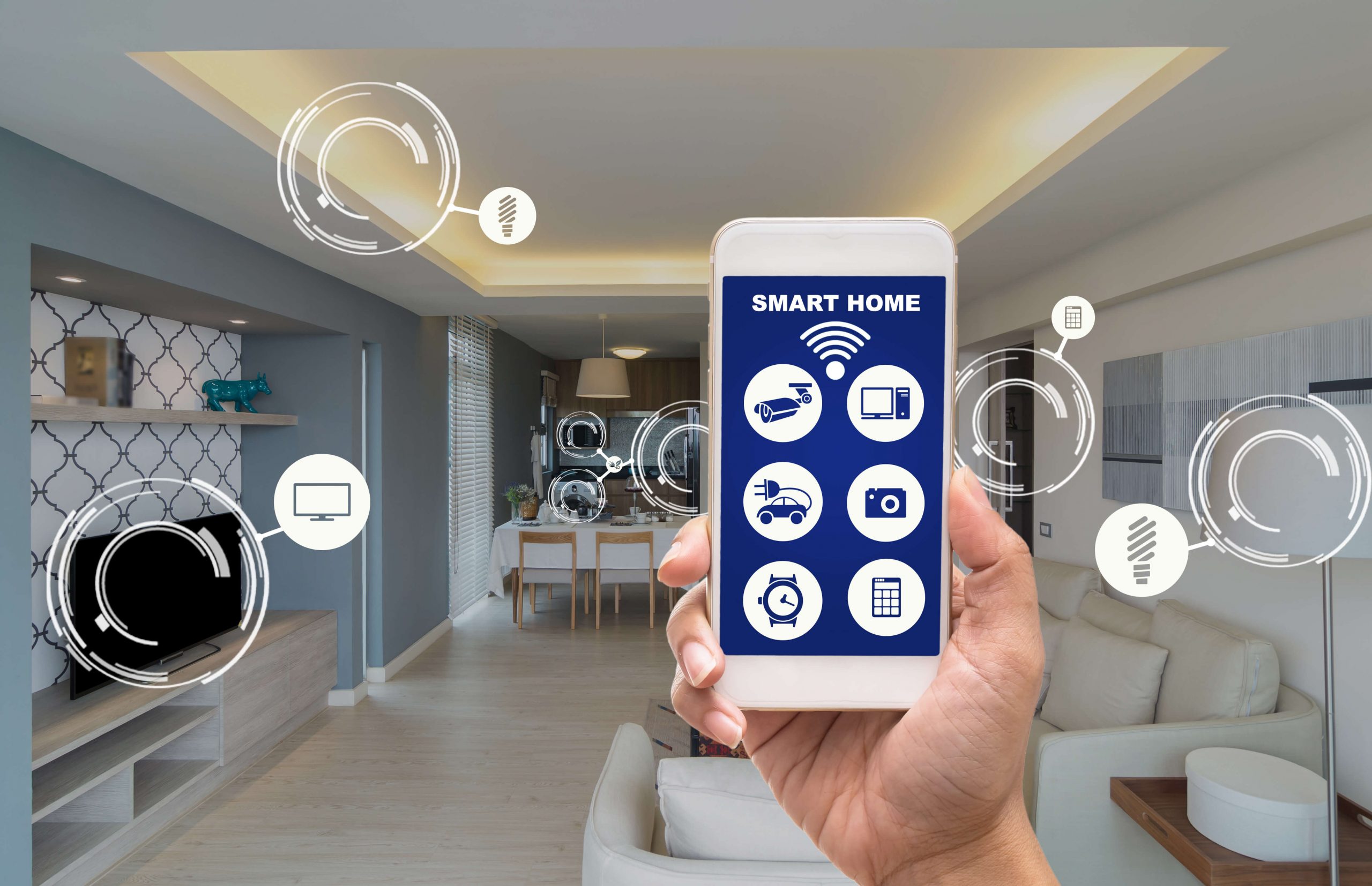
One of the major advantages of smart doorbells is their ability to integrate with broader smart home ecosystems.
For example:
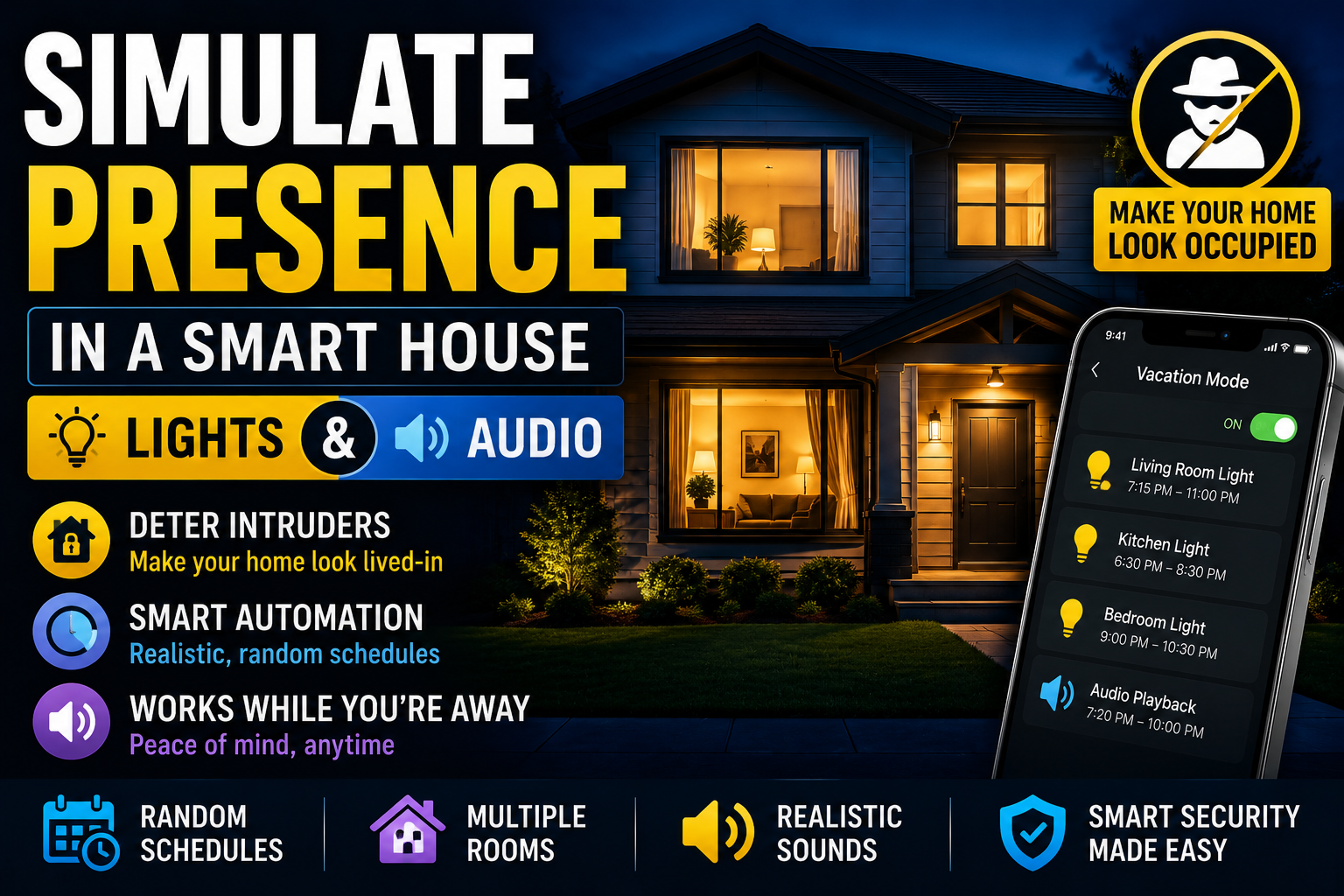
- A doorbell press can activate hallway lighting.
- Motion detection can trigger outdoor cameras.
- Package delivery can generate voice announcements.
- Smart locks can work alongside visitor verification systems.
These automations create impressive convenience.
However, every additional integration introduces potential privacy considerations.
The goal is not to avoid automation but to ensure that integrations remain necessary, secure, and well-managed.
Real-World Example
Imagine a homeowner who installs a smart wireless doorbell primarily to monitor package deliveries.
Initially, the device is configured with maximum motion sensitivity.
Within days, the homeowner receives hundreds of notifications generated by passing cars, pedestrians, and neighborhood animals.
Battery life declines rapidly, and important alerts become lost among less relevant notifications.
After adjusting motion zones, reducing sensitivity, and optimizing notification settings, the experience changes dramatically.
Battery life improves significantly, latency decreases because fewer unnecessary events require processing, and genuinely important alerts become easier to identify.
This example highlights how configuration can be just as important as hardware quality.
What to Look for When Choosing a Smart Wireless Doorbell
The best smart wireless doorbells in 2026 share several characteristics.
Fast Notification Delivery
Quick response times remain essential for security and convenience.
Low-latency systems generally provide a more satisfying user experience.
Efficient Battery Management
Long battery life reduces maintenance and improves reliability.
Look for systems that offer flexible power options and intelligent energy-saving features.
Strong Privacy Controls
Privacy features should include:
- Encryption
- User-controlled data retention
- Transparent privacy policies
- Secure account protection
Reliable Smart Home Compatibility
The best devices integrate smoothly with existing smart home platforms while maintaining security and performance.
The Future of Smart Doorbells
Wireless doorbells continue to evolve rapidly.
Emerging developments include:
- On-device AI processing
- Reduced cloud dependency
- Faster notification systems
- Improved battery technology
- Enhanced privacy protections
- Better package recognition
- More intelligent automation
As these technologies mature, smart doorbells will become even more responsive, efficient, and privacy-focused.
Conclusion
Smart wireless doorbells have become a cornerstone of modern smart home security, offering far more than simple visitor notifications. Yet beyond video quality and marketing features, the real user experience often depends on three critical factors: latency, battery performance, and privacy.
A fast, responsive doorbell ensures that homeowners receive timely information when it matters most. Efficient battery management reduces maintenance and improves reliability. Strong privacy protections help safeguard sensitive personal data while maintaining trust in connected technologies.
By carefully evaluating these areas before making a purchase, homeowners can choose a wireless doorbell that delivers not only convenience and security but also long-term satisfaction. In an increasingly connected world, the smartest doorbell is not necessarily the one with the most features—it is the one that balances performance, efficiency, and privacy in a way that genuinely improves daily life.