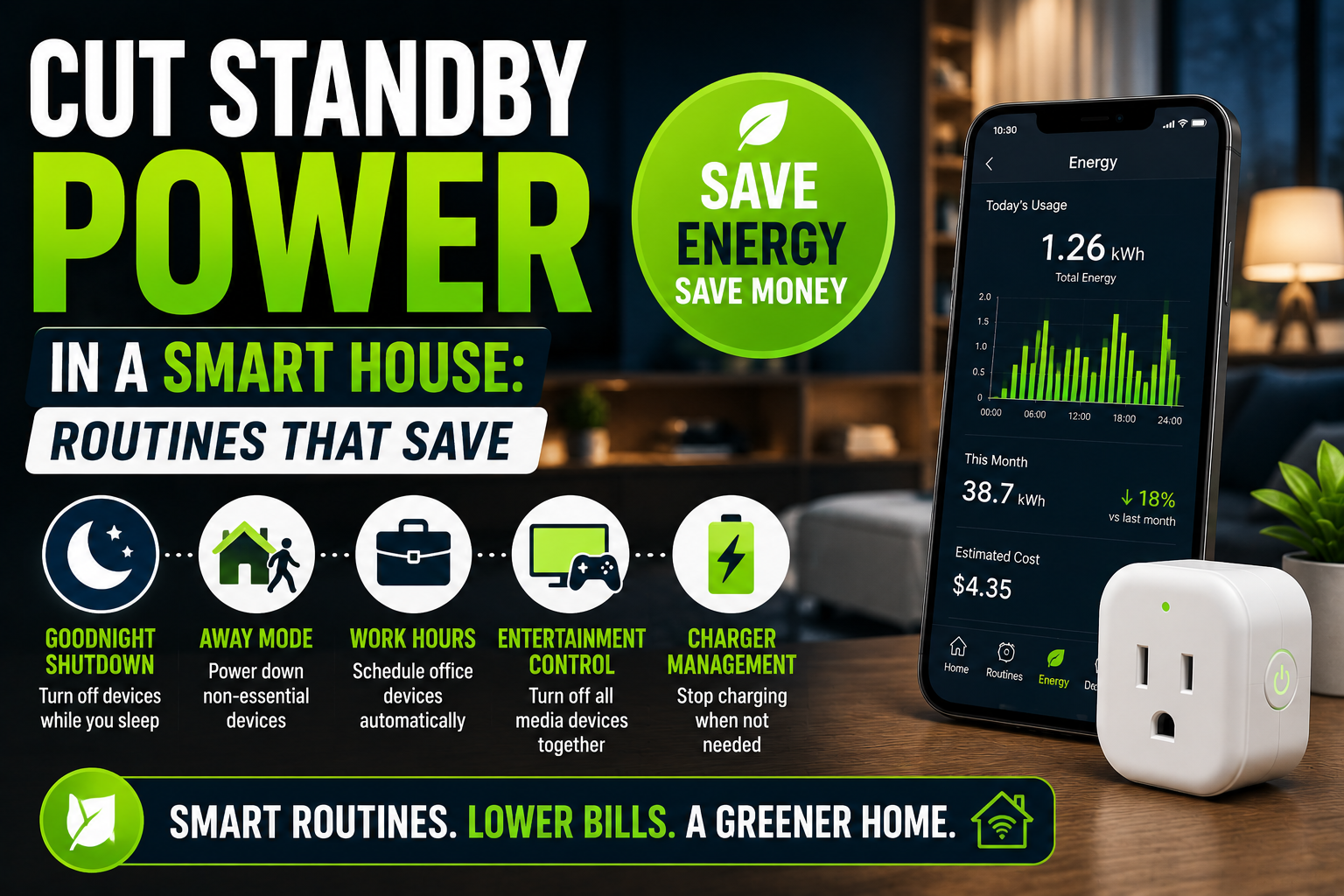

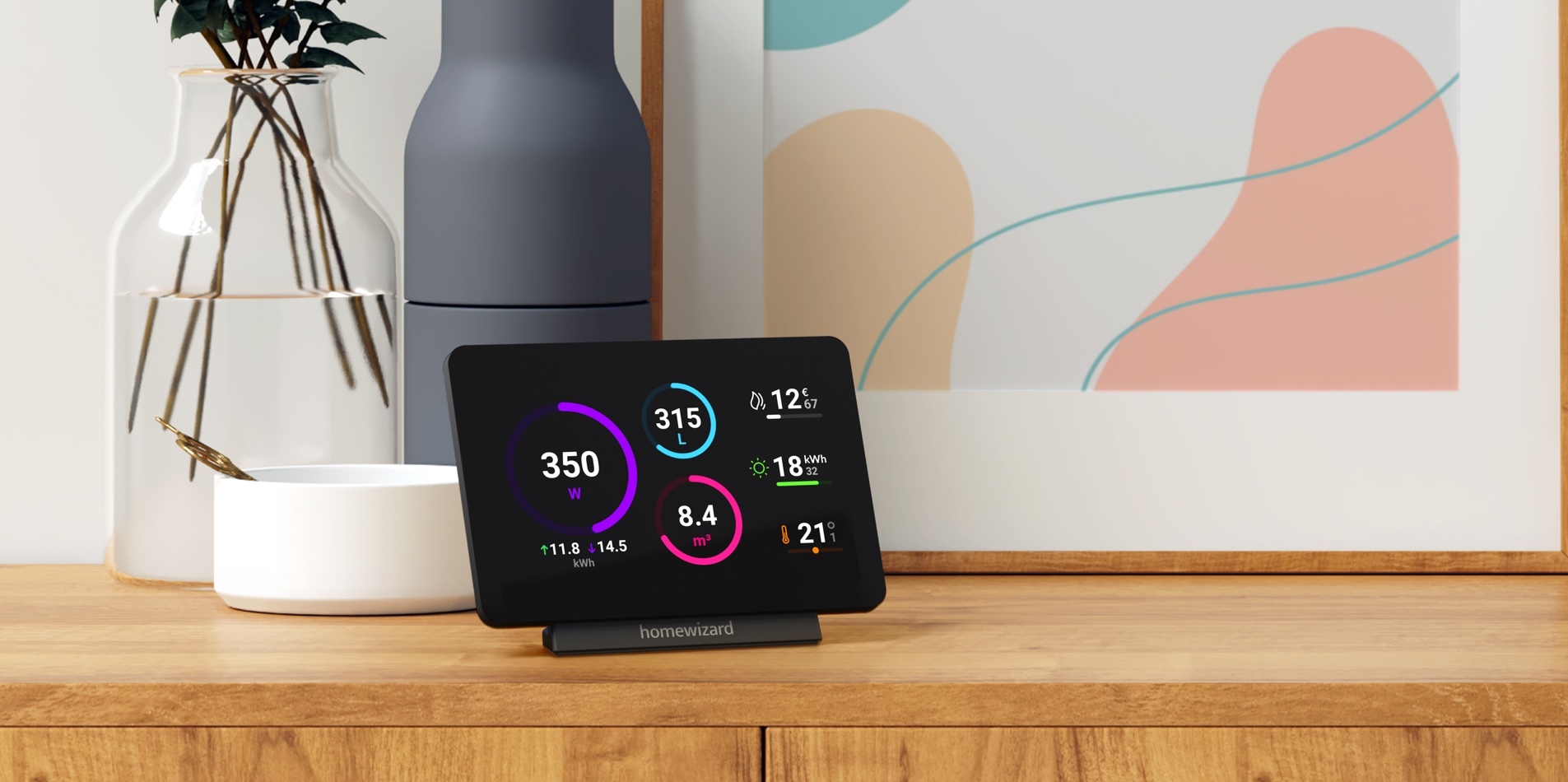
You cannot reduce what you cannot see. That single idea is the entire case for energy-monitoring devices. Most people have no idea which appliances drive their electricity bill, which run quietly in the background wasting power, or how much a habit like leaving the lights on actually costs. Energy monitors turn that invisible information into clear numbers, and seeing the numbers is often what finally changes behavior and lowers bills.
But “energy monitor” covers a wide range of devices, from a simple plug that measures one appliance to a whole-home system wired into your electrical panel. For a beginner, choosing the right level of monitoring matters, because buying too much complexity leads to frustration and buying too little leaves you without the insight you wanted. This guide explains the types, what to look for, and how to match a monitor to your goals, without naming specific models that change every season.
Why Monitor Your Energy at All
Before choosing a device, it helps to be clear about what monitoring delivers. The first benefit is awareness. Once you can see that a particular appliance uses far more than you assumed, you naturally adjust how you use it. Many households reduce consumption simply through the awareness effect, without any other changes.
The second benefit is targeting. Energy monitoring tells you where to focus your efforts, so you stop guessing. Instead of putting smart plugs on every device hoping for savings, you identify the genuine power hogs and address those. The third benefit is verification. When you make a change, monitoring confirms whether it actually helped, turning vague intentions into measurable results. For a beginner serious about cutting energy use, this feedback loop is invaluable.
The Three Levels of Energy Monitoring
Level 1: Single-Device Monitoring (Smart Plugs)
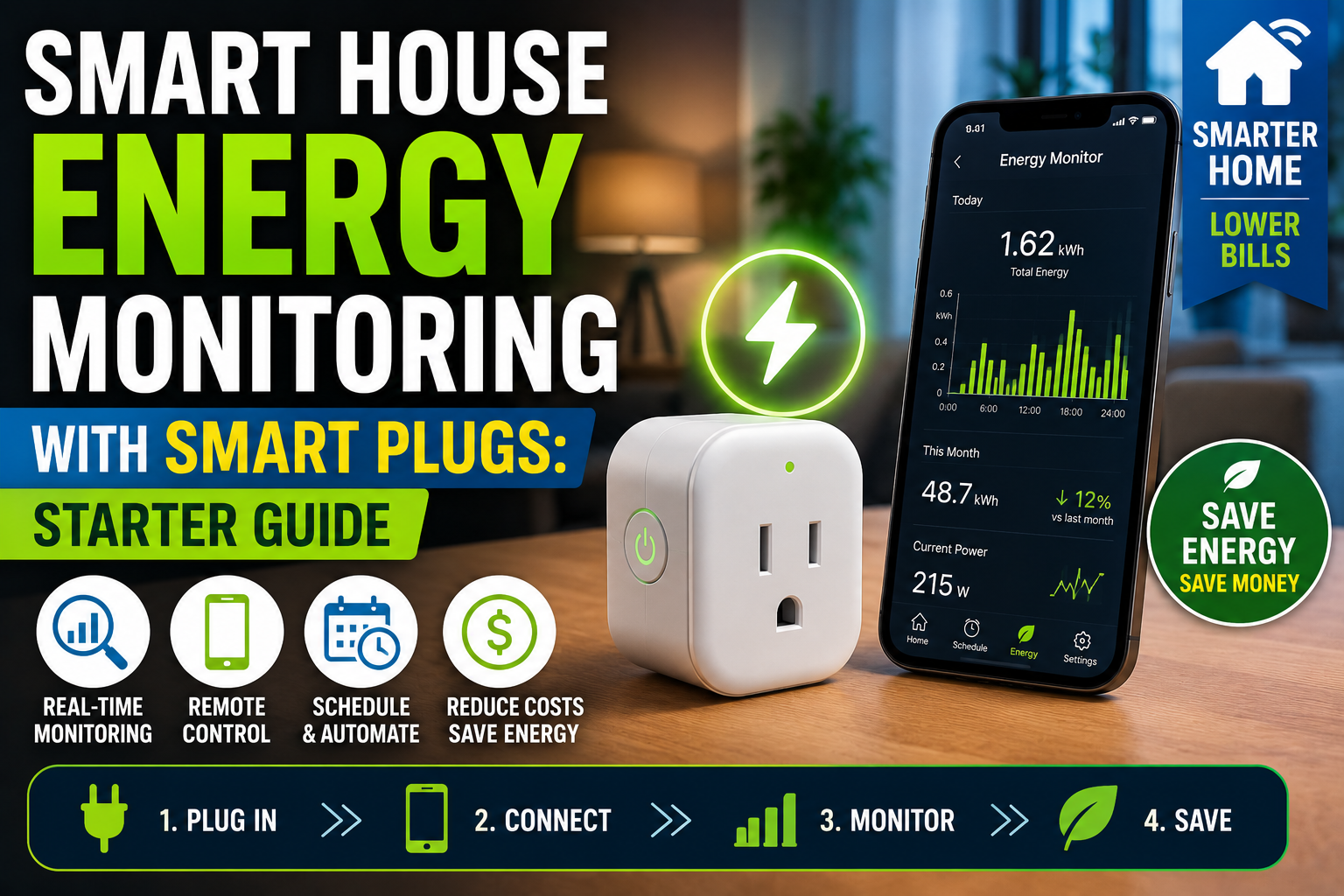
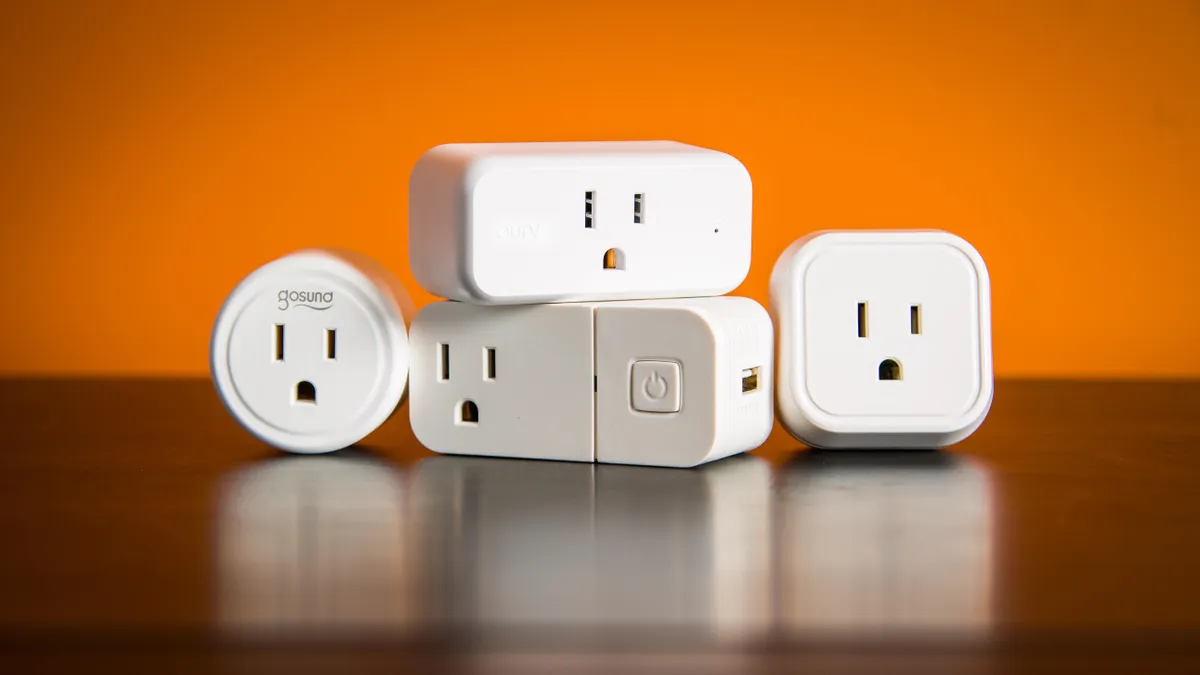
The simplest and cheapest entry point is a smart plug with energy monitoring built in. You plug it between an outlet and a single appliance, and it reports exactly how much power that device draws. This is perfect for investigating one suspect at a time, such as an old refrigerator, a space heater, or an entertainment center.
The strength of this approach is its low cost and zero installation difficulty. The limitation is scope: each plug monitors only one device, and only devices that plug into a standard outlet. Hardwired items like central heating, water heaters, and ceiling lighting cannot be measured this way. For a beginner who wants to investigate specific appliances cheaply, this is the ideal starting point.
Level 2: Smart Outlet and Circuit Monitoring
A step up involves monitoring at the outlet or circuit level, giving a broader view than a single plug while remaining less involved than a whole-home system. These solutions vary, and some require a bit more setup. They suit people who want to track several areas without committing to panel-level installation.
For most beginners, this middle tier is optional. You generally either start small with a monitoring plug or, if you want the full picture, jump to whole-home monitoring. The middle ground appeals mainly to people with a specific multi-circuit question to answer.
Level 3: Whole-Home Energy Monitors
The most comprehensive option is a whole-home monitor installed in your electrical panel. It measures your entire home’s electricity use in real time and, depending on the device, can break consumption down by circuit or even attempt to identify individual appliances. This gives the complete picture: total usage, patterns over time, and where your power actually goes.
The trade-off is installation. Whole-home monitors connect inside your electrical panel, which is work that should be done by a qualified electrician for safety. This adds cost and planning. For a committed beginner who wants the full view and is willing to invest, whole-home monitoring is the most powerful option. For someone just curious about a few appliances, it is more than necessary.
What to Look For in Any Energy Monitor
Accuracy and Real-Time Data
The core job of a monitor is to report usage accurately and promptly. Look for devices that provide real-time readings rather than only daily summaries, since real-time data lets you see the immediate effect of switching something on or off. Reviews often reveal whether a device’s readings are trustworthy and responsive.
App Quality and Clarity
The data is only useful if the app presents it clearly. A good energy app shows usage in understandable terms, highlights trends, and ideally translates kilowatt-hours into cost estimates so you can think in money rather than abstract units. A confusing app undermines the whole purpose, so prioritize clear, well-reviewed software.
Cost Estimation
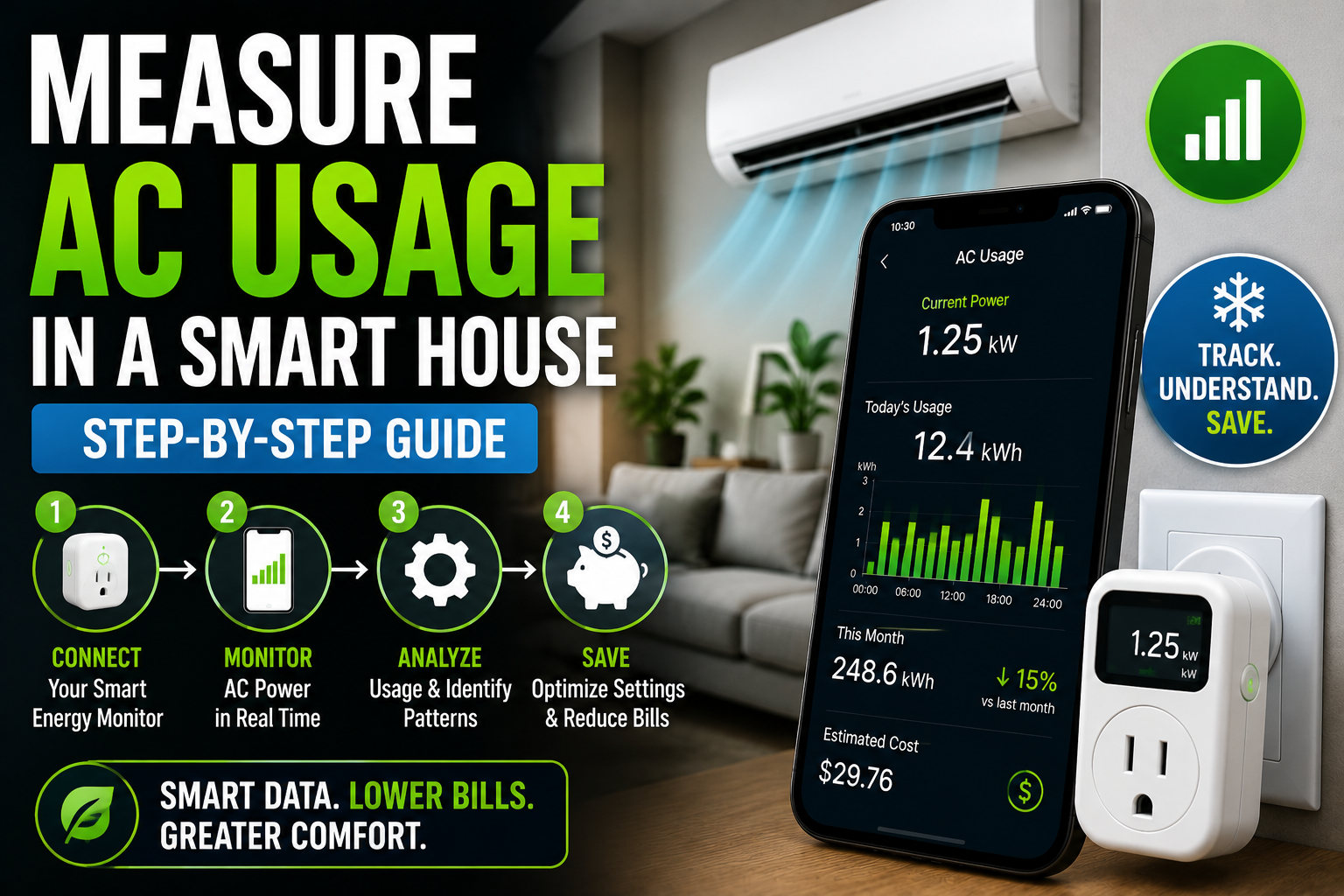
The most actionable monitors let you enter your electricity rate so the app can show usage in currency. Seeing that a device costs a certain amount per month to run is far more motivating than seeing raw energy figures. This feature turns data into decisions, so it is worth seeking out.
Historical Tracking
Look for the ability to see usage over time: by hour, day, and month. Historical data reveals patterns, such as a device that quietly runs all night, and lets you verify that changes you make actually reduce consumption. Without history, you only ever see a snapshot.
Compatibility
If you want your energy data to integrate with your wider smart home or assistant, confirm the monitor supports your platform. Some monitors can trigger automations, for example alerting you when usage spikes. This is a nice-to-have rather than a necessity for a beginner, but worth checking if you value integration.
Matching the Device to Your Goal
If your goal is to investigate a few specific appliances cheaply, start with one or two energy-monitoring smart plugs. They cost little, require no installation, and answer most common “what is using all my power” questions for plug-in devices.
If your goal is to understand and reduce your entire home’s consumption, including hardwired systems like heating and water heating, a whole-home monitor installed by an electrician gives the complete picture. Be ready for the installation step and cost.
If you are unsure, begin small. Buy a single monitoring plug, investigate your most suspicious appliances, and learn how you respond to the data. Many beginners find that a couple of plugs reveal enough to drive meaningful changes, and they can always graduate to whole-home monitoring later if they want the full view.
Turning Monitoring Into Real Savings
A monitor only saves money if you act on what it shows. Once you can see your usage, look for the obvious offenders: devices drawing power around the clock, appliances using far more than expected, and habits that quietly waste energy. Address the biggest ones first, since they offer the largest savings for the least effort.
Then use the monitor to verify your changes. Switch to a more efficient habit, automate a device off during idle hours, or replace an old power hog, and watch the numbers confirm the improvement. This feedback loop is what separates people who simply own a monitor from people who actually lower their bills with one.
The Bottom Line
Energy-monitoring devices give you the visibility that makes real savings possible, but the right device depends on your goal. For investigating specific plug-in appliances, an inexpensive energy-monitoring smart plug is the perfect beginner starting point. For understanding your whole home, including hardwired systems, a professionally installed whole-home monitor delivers the complete picture. Prioritize accuracy, a clear app, cost estimation, and historical tracking, then actually act on what you learn. Start small, target the genuine power hogs, and use the data to verify your changes, and an energy monitor becomes one of the most quietly valuable devices in a beginner’s smart home.
Frequently Asked Questions
What is the easiest energy monitor for a beginner?
An energy-monitoring smart plug. You plug it between an outlet and a single appliance, and it reports that device’s power use with no installation. It is the cheapest, simplest way to investigate specific plug-in devices and answer most common questions about where your power goes.
Can I monitor my whole home’s energy use without an electrician?
Generally no. Whole-home monitors install inside your electrical panel and should be fitted by a qualified electrician for safety. If you want to avoid electrical work, stick with monitoring smart plugs, which cover plug-in devices without any installation.
Do energy monitors actually help lower bills?
They help indirectly by showing you where your power goes, which drives better habits and targeted changes. The monitor itself saves nothing; the savings come from acting on its data. Many people reduce consumption simply through the awareness the monitor provides.
What is the difference between a smart plug and a whole-home monitor?
A monitoring smart plug measures one plug-in device with no installation. A whole-home monitor measures your entire home’s electricity, including hardwired systems, but requires professional installation in your electrical panel. Plugs suit specific investigations; whole-home monitors suit complete visibility.
Should an energy monitor show cost, not just energy?
Ideally yes. Monitors that let you enter your electricity rate and show usage in currency are far more motivating and actionable than those showing only raw energy figures. Seeing the cost of running a device makes it much easier to decide what to change.