



A video doorbell is the device most people buy first when they think about home security, and for good reason. It watches your most important entry point, lets you see and speak to anyone at the door, captures package deliveries and thefts, and works as a visible deterrent. But the moment you start shopping, you hit a fundamental fork: wired or wireless. This choice shapes installation, reliability, ongoing maintenance, and which doorbells are even options for your home.
This guide will not push a specific model, since the best one changes constantly and depends on your situation. Instead, it teaches you to evaluate any video doorbell like an expert, with the wired-versus-wireless decision front and center, plus the other factors that separate a doorbell you love from one you return. Get these fundamentals right and you will choose confidently, whatever is on the shelf.
Wired vs Wireless: The Core Decision
How Wired Doorbells Work
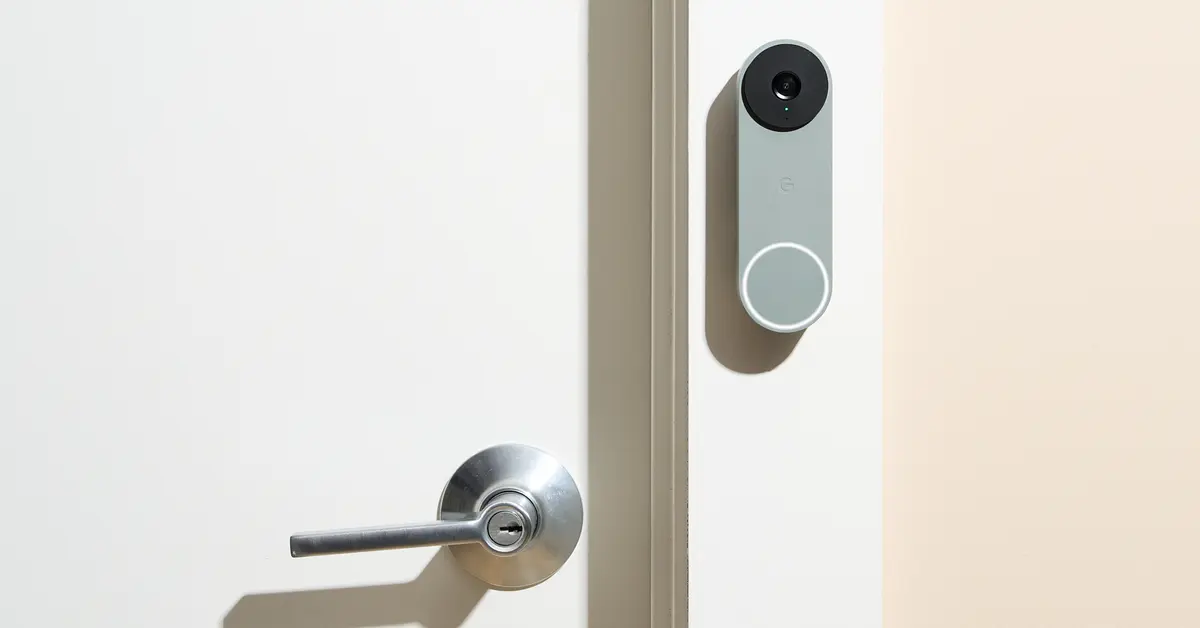
A wired video doorbell connects to your home’s existing doorbell wiring, the same low-voltage wires that powered your old chime. Because it draws continuous power, it never needs charging and can stay always-on and always-ready. This is the biggest advantage: you install it once and effectively forget about power for years.
The requirement, of course, is existing doorbell wiring. Most homes that already had a wired chime have it, but some, especially older homes or certain apartments, do not. Installation involves working with that low-voltage wiring, which is beginner-friendly for many but still a small project. If your home has existing doorbell wires and you want the most reliable, maintenance-free option, wired is usually the better long-term choice.
How Wireless Doorbells Work
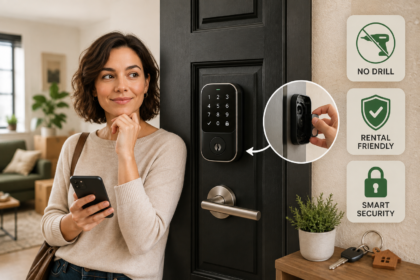
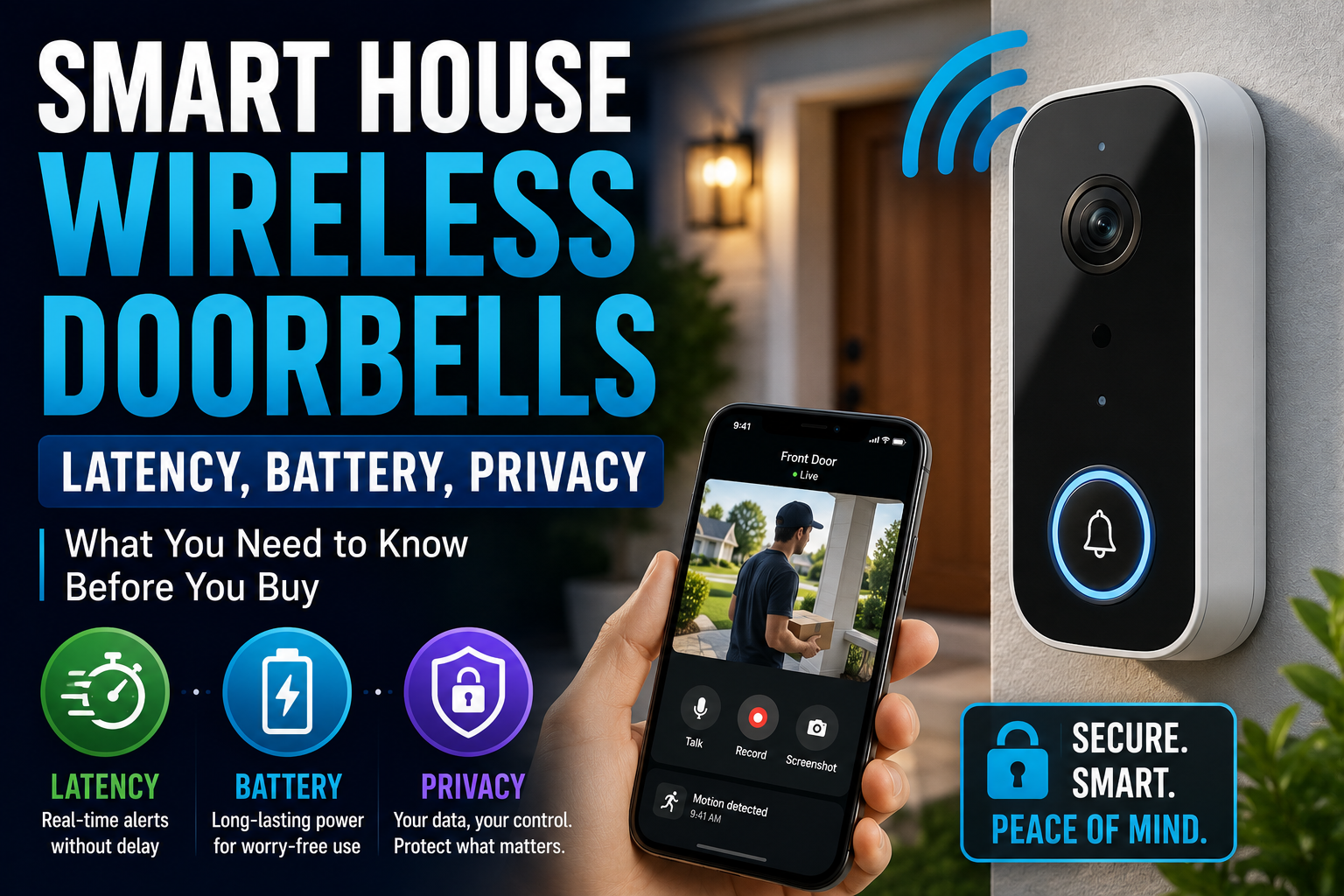
A wireless, battery-powered doorbell needs no wiring at all. It runs on a rechargeable battery, which means anyone can install it almost anywhere in minutes, with no electrical work. This makes wireless doorbells ideal for renters, homes without existing doorbell wiring, and people who want the simplest possible installation.
The trade-off is the battery. Depending on usage, traffic, and weather, you will need to recharge it periodically, which means taking it down for a few hours or swapping a spare battery. Cold weather and heavy activity drain batteries faster. For some this is a minor chore; for others it is an ongoing annoyance. If you cannot wire a doorbell or you value effortless installation above all, wireless is the right call, with the battery as the accepted cost.
Which Should a Beginner Choose?
The decision is mostly dictated by your home. If you have existing doorbell wiring and the ability to do a small wiring task or hire help, wired offers superior reliability and freedom from charging. If you lack wiring, rent, or want the absolute easiest installation, wireless removes every barrier at the cost of periodic charging. Neither is universally better. Match the type to your home’s wiring and your tolerance for occasional battery maintenance.
Beyond Power: What Else to Evaluate
Video Quality and Field of View
A doorbell is only as useful as the footage it captures. Look for clear video that remains usable in low light and at night, since many important events happen after dark. Equally important is the field of view, both horizontal and vertical. A taller vertical view lets you see packages on the ground and visitors head to toe, which is genuinely useful at a front door. Do not fixate only on resolution numbers; the viewing angle and low-light performance matter just as much for real-world usefulness.
Storage and the Subscription Trap
This is the factor that catches the most beginners. Many doorbells require a monthly subscription to save and review recorded video. Without it, you may get live view and alerts but lose the ability to look back at what happened. A cheap doorbell can become expensive once you add the recurring fee needed to actually use its footage.
Some doorbells offer local storage, saving video to a card or hub without ongoing fees. Others are subscription-dependent. Before buying, find out exactly what works for free, what requires a subscription, and what that subscription costs per year. Factor this into your comparison, because the true cost over several years can dwarf the purchase price.
Detection and Alerts
A good doorbell distinguishes meaningful events from noise, ideally separating people from passing cars or moving branches, so you are not flooded with pointless alerts. Smart detection that can tell a person from a vehicle, and customizable activity zones that ignore the busy street but watch your porch, dramatically improve daily usability. Alert quality is the difference between a doorbell you trust and one you mute out of frustration.
Two-Way Audio
Clear two-way audio lets you speak with visitors, tell a delivery driver where to leave a package, or simply respond when you are not home. Look for reliable, clear audio in both directions. This is a core function of a video doorbell, so it should work well, not as an afterthought.
Platform and App Integration
Confirm the doorbell works with your chosen smart home platform and that its app is responsive. You will interact with the app every time someone rings, so a laggy or confusing app sours the experience. If you want the doorbell to trigger other devices, for example turning on a light when someone approaches, check that it integrates with your system.
Installation Realities to Plan For
For a wired doorbell, confirm you have existing doorbell wiring and a compatible chime arrangement. The installation is manageable for many beginners but involves turning off power at the breaker and connecting low-voltage wires. If that feels beyond your comfort, factor in a small installation cost.
For a wireless doorbell, plan for mounting and an initial charge, and think about where you will recharge it and how often based on your door’s traffic. Consider whether a spare battery is available, since a spare lets you swap instantly rather than leaving your door uncovered while charging. Also consider mounting height and angle, since a doorbell aimed too high misses packages and a doorbell aimed too low misses faces.
Matching the Doorbell to Your Situation
If you own a home with existing doorbell wiring and want maximum reliability with no charging, prioritize a wired model and weigh video quality, storage options, and detection. If you rent or lack wiring, choose a wireless model and accept periodic charging, ideally one with a removable battery or available spare. In both cases, scrutinize the subscription terms before buying, since they often matter more to the total cost than any single feature.
Whatever you choose, favor well-reviewed models with strong low-light video, reliable detection, and clear two-way audio. Those fundamentals determine whether the doorbell genuinely improves your daily life or becomes a source of false alerts and frustration.
The Bottom Line
The best video doorbell for a beginner comes down first to wired versus wireless, a choice dictated mainly by whether your home has existing doorbell wiring and your tolerance for occasional battery charging. Wired offers reliability and freedom from charging; wireless offers effortless, anywhere installation at the cost of battery upkeep. Beyond power, prioritize clear low-light video, a useful field of view, reliable smart detection, clear two-way audio, and, critically, transparent subscription terms. Evaluate any doorbell against these criteria and you will choose one that protects your front door without unwelcome surprises.
Frequently Asked Questions
Is a wired or wireless video doorbell better for beginners?
Neither is universally better; it depends on your home. Wired doorbells offer the most reliability and never need charging but require existing doorbell wiring. Wireless doorbells install anywhere in minutes with no wiring but need periodic battery recharging. Choose based on your wiring and your tolerance for battery upkeep.
Do video doorbells require a monthly subscription?
Many do, specifically to save and review recorded video. Without a subscription you may still get live view and alerts but lose recorded history. Some doorbells offer local storage with no ongoing fee. Always check the subscription terms before buying, as they heavily affect the true cost.
How often do wireless doorbells need charging?
It varies with traffic, weather, and settings, ranging from several weeks to a few months between charges. Cold weather and heavy activity drain the battery faster. Choosing a model with a removable battery or buying a spare lets you swap instantly instead of leaving your door uncovered.
What video features matter most in a doorbell?
Clear low-light and night video, a useful field of view that shows visitors head to toe and packages on the ground, and reliable smart detection that distinguishes people from passing cars. These real-world factors matter more than headline resolution numbers alone.
Can I install a wired video doorbell myself?
Many beginners can, since it uses existing low-voltage doorbell wiring and involves turning off power and connecting a few wires. If you are uncomfortable with the task or lack existing wiring, a small professional installation cost removes the difficulty.