


Every experienced smart home owner has a drawer of mistakes: devices that seemed exciting in the store but ended up unused, returned, or quietly unplugged. The smart home space is full of products that look impressive in ads and demos but disappoint in daily life, and beginners are the most likely to fall for them because they have not yet learned what actually matters. The result is wasted money and, worse, the discouraging feeling that smart homes are more hassle than they are worth.
- 1. Cheap, No-Name Devices to Save a Few Dollars
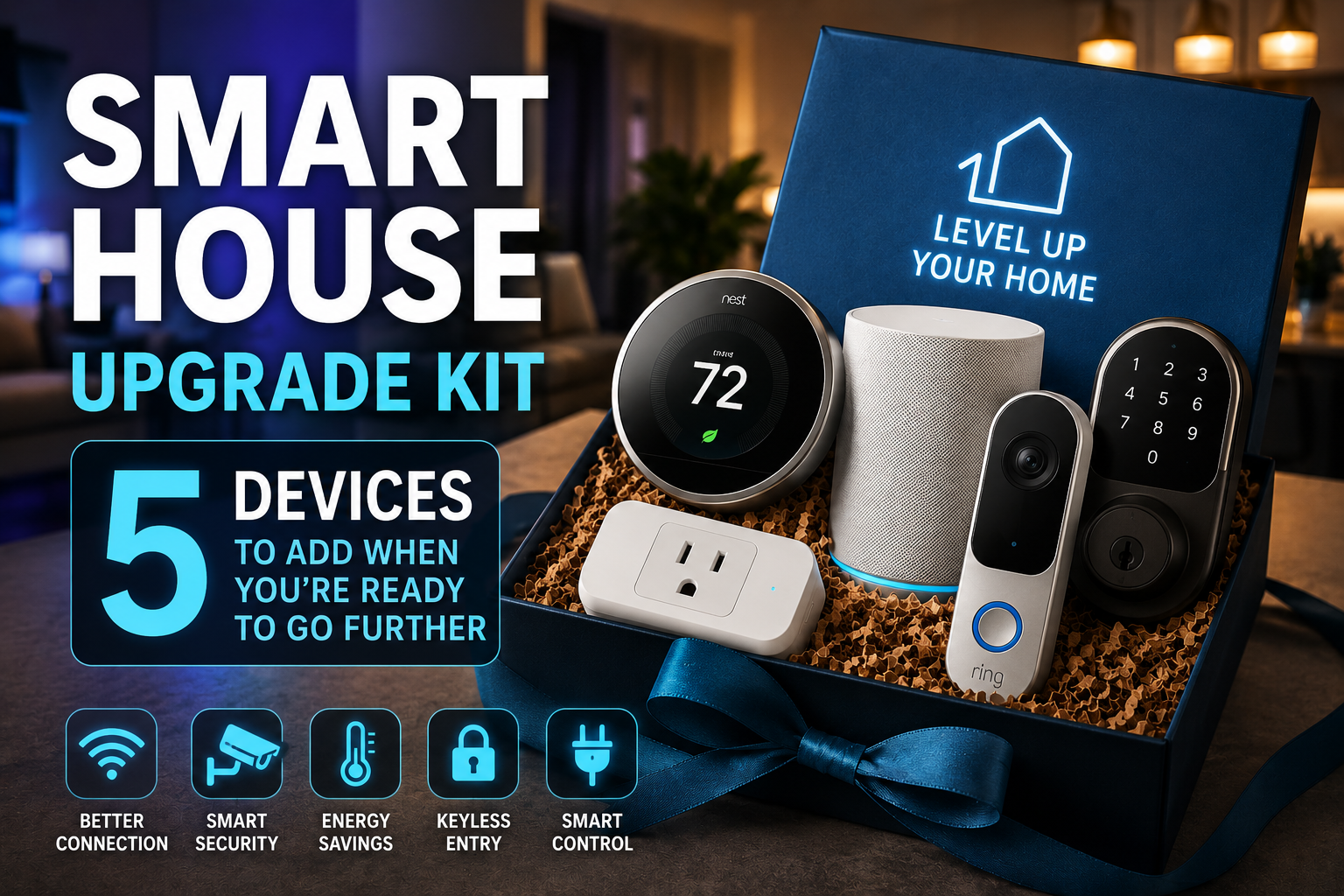
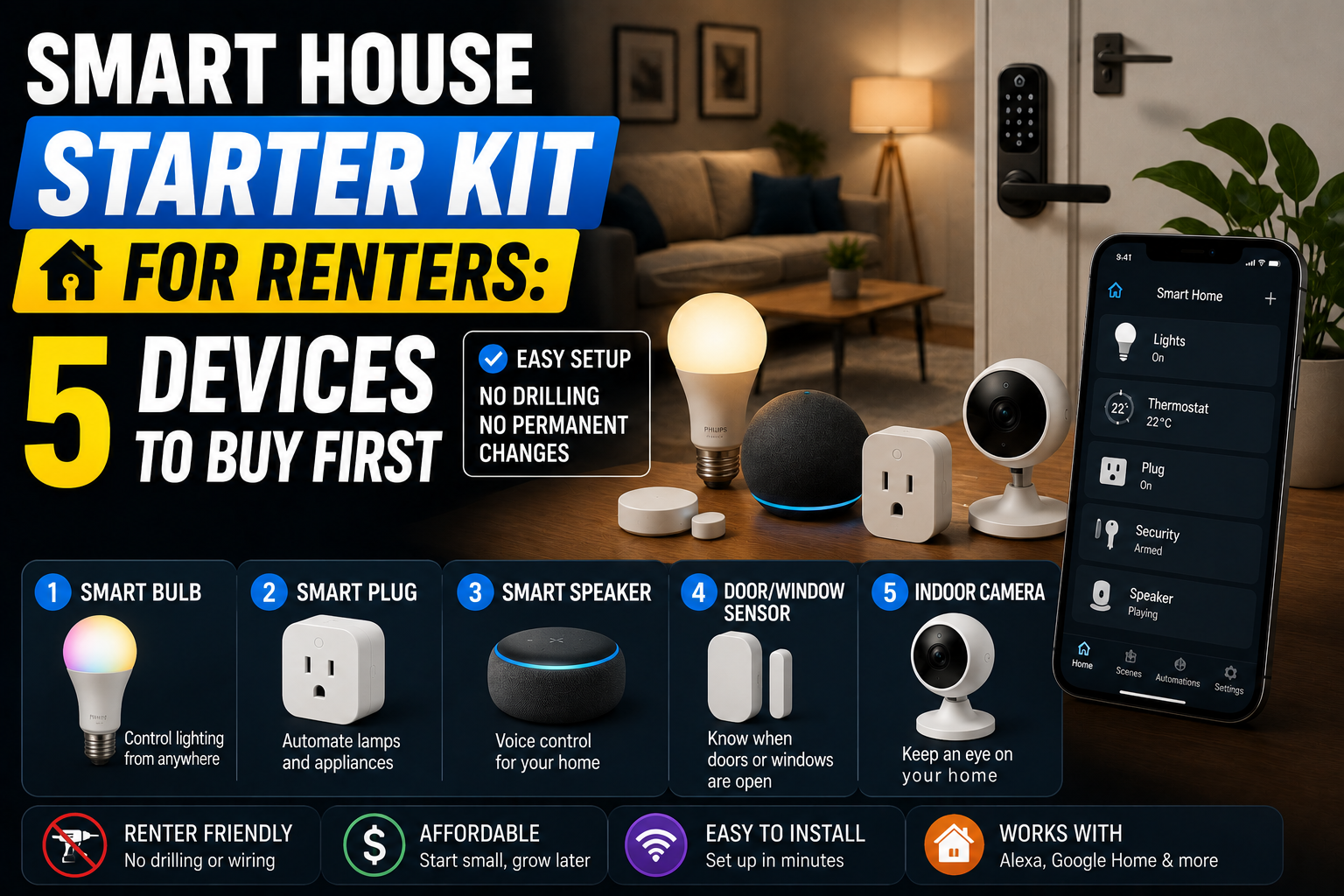
- 2. A Big Bundle Before You Know What You Want
- 3. Color Smart Bulbs You Will Only Use as White
- 4. Security Cameras With Surprise Subscriptions
- 5. Smart Bulbs Behind a Switch People Keep Flipping
- 6. Over-Automating Before Mastering the Basics
- 7. Devices That Lock You Into One Ecosystem
- The Common Thread Behind Every Regret
- The Bottom Line
- Frequently Asked Questions
This guide is the shortcut past those mistakes. Drawing on the patterns that trip up newcomers again and again, here are seven smart home purchases beginners most often regret, why each one disappoints, and the smarter alternative to buy instead. Learn these before you spend, and you will skip the expensive lessons and build a smart home you actually love.
1. Cheap, No-Name Devices to Save a Few Dollars
The temptation is understandable. Why pay more when a no-name device promises the same features for less? The regret comes when the bargain device has a buggy app, drops its connection constantly, stops receiving updates, or relies on a service that disappears. Smart devices depend heavily on reliable software and ongoing support, and the cheapest options frequently skimp on exactly that. A device you fight with every day is no bargain, however little it cost.
Get this instead: Choose well-reviewed devices from established brands with stable apps and a track record of updates. You do not need the most expensive option, but avoid the rock-bottom no-name products. Spending a little more for reliability is the single best value decision a beginner can make, because the device you use daily must simply work.
2. A Big Bundle Before You Know What You Want
Starter bundles look like great value, packing several devices into one discounted box. The regret sets in when half the bundle addresses needs you do not have, in colors, types, or placements that do not suit your home. Beginners who buy big before understanding their own preferences often end up with devices they never install and features they never use, having spent more than a focused setup would have cost.
Get this instead: Start with one or two devices that solve a specific daily friction, live with them, and learn what you actually value. Expand deliberately based on real experience. A small, well-chosen setup that grows with your understanding beats a large bundle bought on a guess every time.
3. Color Smart Bulbs You Will Only Use as White
Full color bulbs are fun to demo. You cycle through purple, pink, and blue, impress a guest, and then, within a week, settle on a comfortable white and never change it again. Many beginners pay a premium for color across their whole home only to use warm white everywhere, having spent extra for a feature they abandoned almost immediately.
Get this instead: Be honest about whether you will truly use color. For most rooms, tunable white bulbs, which adjust from warm to cool white, cost less and deliver the comfortable, adjustable lighting people actually use daily. Reserve color bulbs for one or two spots where mood lighting genuinely matters, like a living room accent, rather than buying color everywhere.
4. Security Cameras With Surprise Subscriptions
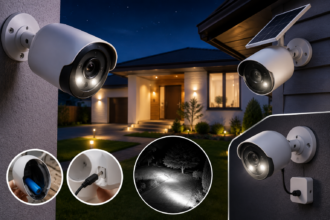
A cheap camera feels like a steal until you discover that saving and reviewing footage, the whole point, requires a monthly subscription. The regret compounds over time as the recurring fee quietly dwarfs the low purchase price, and the beginner realizes their “bargain” camera costs far more per year than expected, with key features locked behind the paywall.
Get this instead: Before buying any camera or doorbell, find out exactly what works for free and what needs a subscription, and calculate the yearly cost. Consider devices with local storage that avoid ongoing fees, or accept the subscription knowingly if the device is right for you. The mistake is not subscriptions themselves; it is being surprised by them. Buy with the true total cost in full view.
5. Smart Bulbs Behind a Switch People Keep Flipping
This is the classic beginner trap. You install smart bulbs in a ceiling fixture, then household members keep flipping the wall switch out of habit, cutting power to the bulbs. The lights vanish from the app, voice control stops working, and automations fail, all because the bulbs lose power whenever the switch is off. The frustration this causes drives many newcomers to give up on smart lighting entirely.
Get this instead: For fixtures controlled by a switch that people habitually use, a smart switch is often the better choice, since it keeps the natural wall control working while adding smart features. Reserve smart bulbs for lamps and fixtures where the switch can stay on undisturbed, or pair them with a setup that preserves constant power. Match the solution to how your household actually behaves.
6. Over-Automating Before Mastering the Basics
Inspired by elaborate setups online, some beginners try to build a dozen interlocking automations in their first week. The regret arrives quickly: lights trigger at the wrong times, routines conflict, the household gets frustrated, and the whole system feels unpredictable and untrustworthy. Complexity built on an unproven foundation collapses, souring the entire experience.
Get this instead: Build one reliable automation at a time. Start with a simple, high-value routine like sunset lighting or a good night command, confirm it works dependably, and only then add the next. A few rock-solid automations you trust completely are worth more than a dozen flaky ones. Reliability first, complexity later, is the path to a smart home that feels like magic rather than a chore.
7. Devices That Lock You Into One Ecosystem
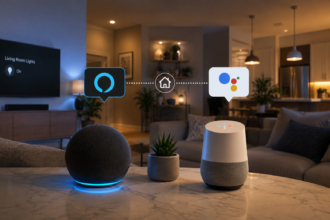
In the excitement of a first purchase, beginners often overlook compatibility and buy a device tied to a single platform, only to later choose a different assistant or want to switch. The regret is discovering that their devices do not work with their preferred system, forcing them to either rebuy or maintain an awkward split setup. Lock-in turns an early impulse buy into a lasting limitation.
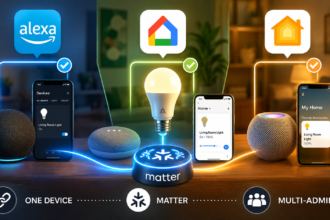
Get this instead: Favor devices that carry the Matter logo or that support multiple platforms, so your purchases work across Alexa, Google, and Apple Home and survive a future change of heart. Choosing compatible, future-proof devices from the start protects your investment and keeps your options open as your smart home and preferences evolve.
The Common Thread Behind Every Regret
Look across these seven mistakes and a pattern emerges. Nearly every regret comes from buying too fast, too cheap, or without understanding your own needs, and from prioritizing flashy features over everyday reliability and compatibility. Beginners get burned when they let excitement or marketing drive purchases instead of patience and honest self-assessment.
The antidote is simple and consistent: start small, buy reliable, check compatibility, automate gradually, and understand the true cost before you commit. Follow that discipline and you will not just avoid these specific regrets, you will avoid the whole category of smart home buyer’s remorse, building a system that earns its place in your life one well-chosen device at a time.
The Bottom Line
The most common smart home regrets are remarkably predictable: rock-bottom no-name devices, oversized bundles, unused color bulbs, cameras with surprise subscriptions, smart bulbs behind switches people keep flipping, premature over-automation, and devices locked to one ecosystem. Each has a smarter alternative rooted in the same principles: prioritize reliability, start small, check compatibility, understand the full cost, and build gradually. Avoid these seven mistakes and you will spend less, enjoy more, and discover that a smart home really can be the effortless upgrade it promises to be, as long as you buy with patience and intention.
Frequently Asked Questions
What is the most common smart home mistake beginners make?
Buying too fast and too cheap without understanding their own needs. This leads to unreliable no-name devices, oversized bundles, and incompatible purchases. The fix is to start with one or two reliable devices that solve a real daily problem, then expand deliberately as you learn what you actually value.
Should I avoid cheap smart home devices entirely?
Not entirely, but avoid rock-bottom no-name products that skimp on app quality and updates. You do not need the most expensive option; you need a well-reviewed device from an established brand with stable software. Reliability matters more than saving a few dollars on something you use daily.
Why do people regret buying color smart bulbs?
Because many pay a premium for color, use it briefly, then settle on warm white permanently. For most rooms, cheaper tunable white bulbs deliver the adjustable lighting people actually use. Reserve color bulbs for one or two spots where mood lighting genuinely matters rather than buying them everywhere.
How can I avoid surprise costs with smart cameras?
Before buying, determine exactly what works for free and what requires a subscription, then calculate the yearly cost. Consider devices with local storage to avoid recurring fees, or accept the subscription knowingly. The mistake is being surprised by ongoing costs, so buy with the full total cost in view.
How do I keep my devices from becoming obsolete or incompatible?
Favor devices that carry the Matter logo or support multiple platforms, so they work across Alexa, Google, and Apple Home and survive a future switch. Choosing compatible, future-proof devices from the start protects your investment and keeps your options open as your preferences change.