
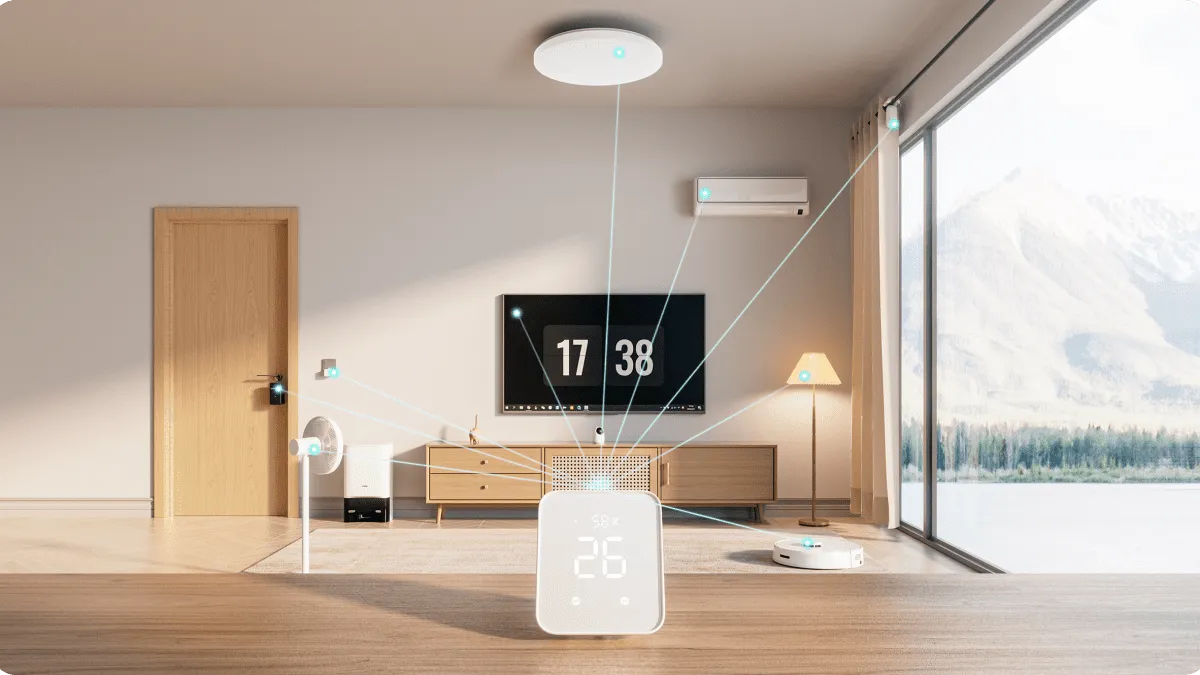
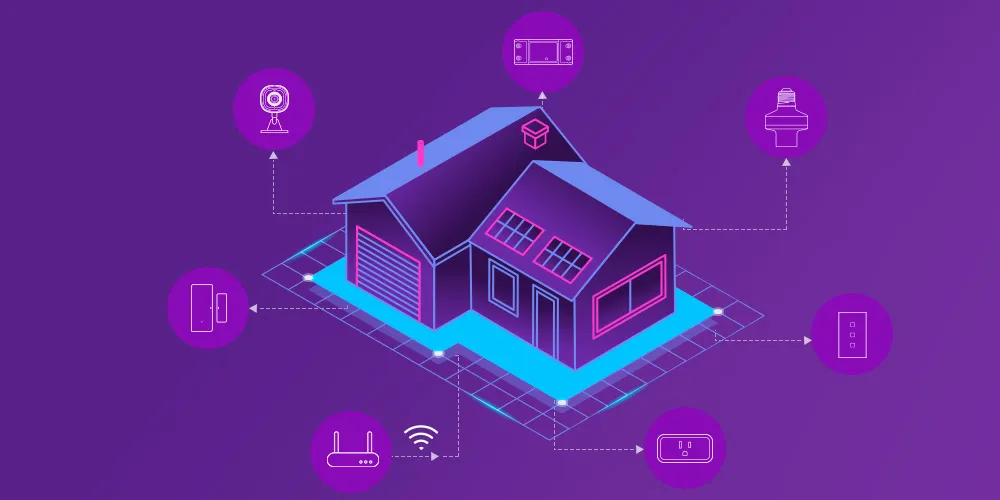
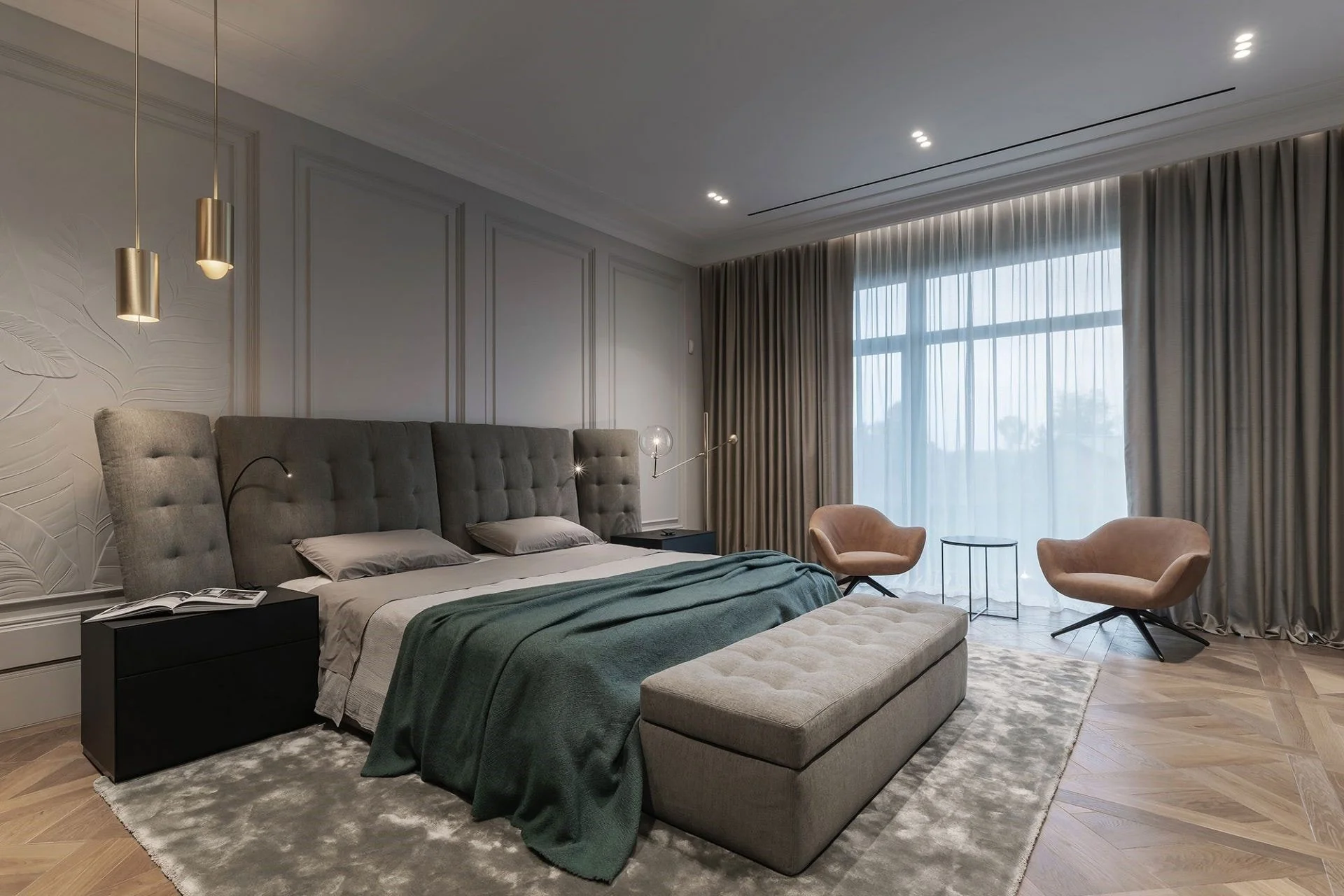

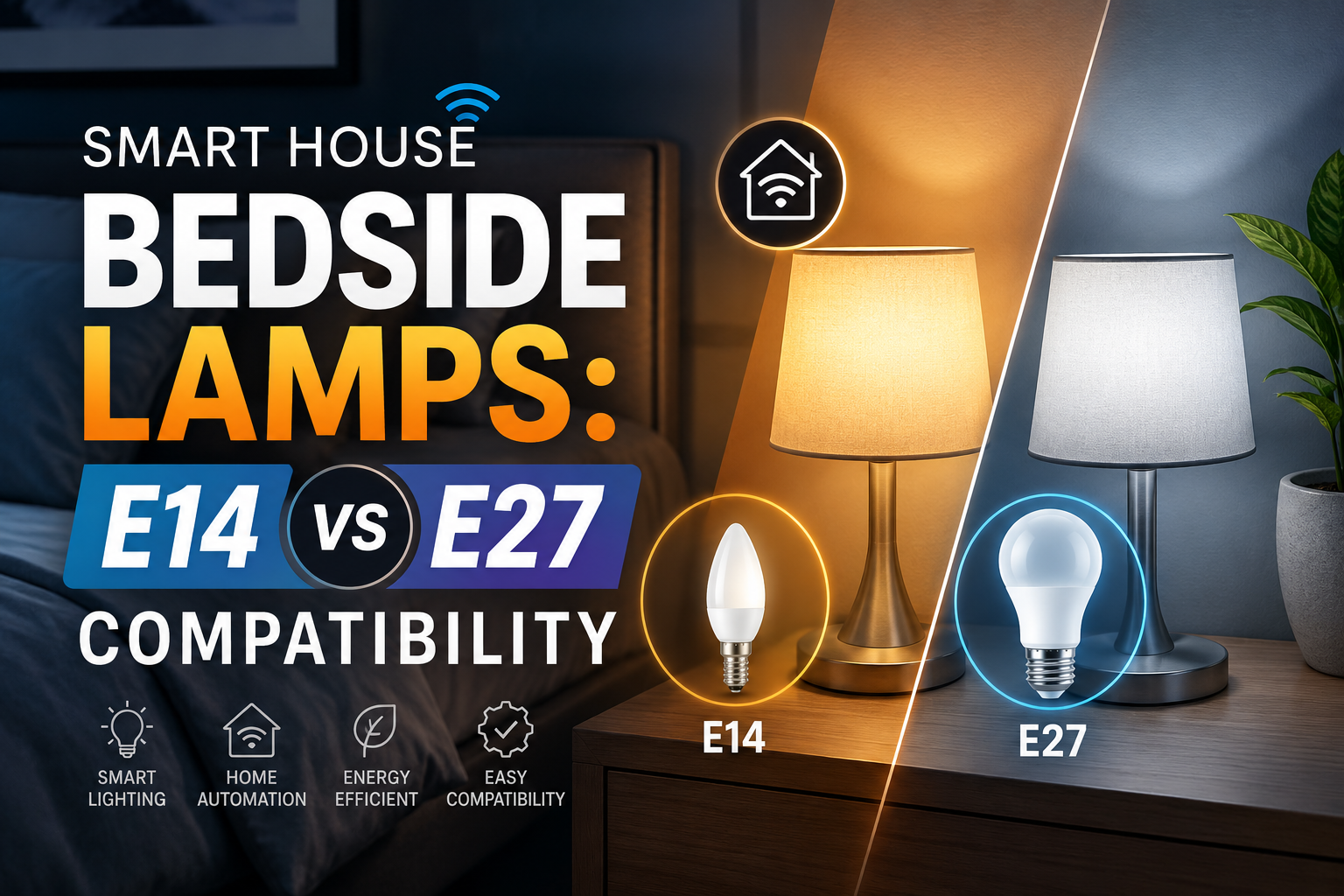
Bedside lighting is where smart homes prove their everyday value. You want a soft, reliable glow for winding down, a gentle sunrise effect to wake up, and one‑tap or voice control that works half‑asleep. But before choosing scenes or assistants, you need the right bulb base for your lamp: E14 or E27. Get that wrong and nothing fits. This guide explains the real‑world differences between E14 and E27 for smart bedside lamps, how brightness and beam shape change by base, what protocols (Wi‑Fi, Zigbee, Thread/Matter) make sense in a bedroom, and how to avoid common pitfalls with dimmers, shades, and switches. We’ll finish with practical layouts for small bedrooms and a buying checklist you can copy.
What E14 and E27 actually mean
- E stands for Edison screw. The number is the diameter of the screw in millimeters.
- E14: “small Edison screw” (SES), 14 mm. Common in bedside table lamps, decorative fixtures, and smaller shades—especially in Europe.
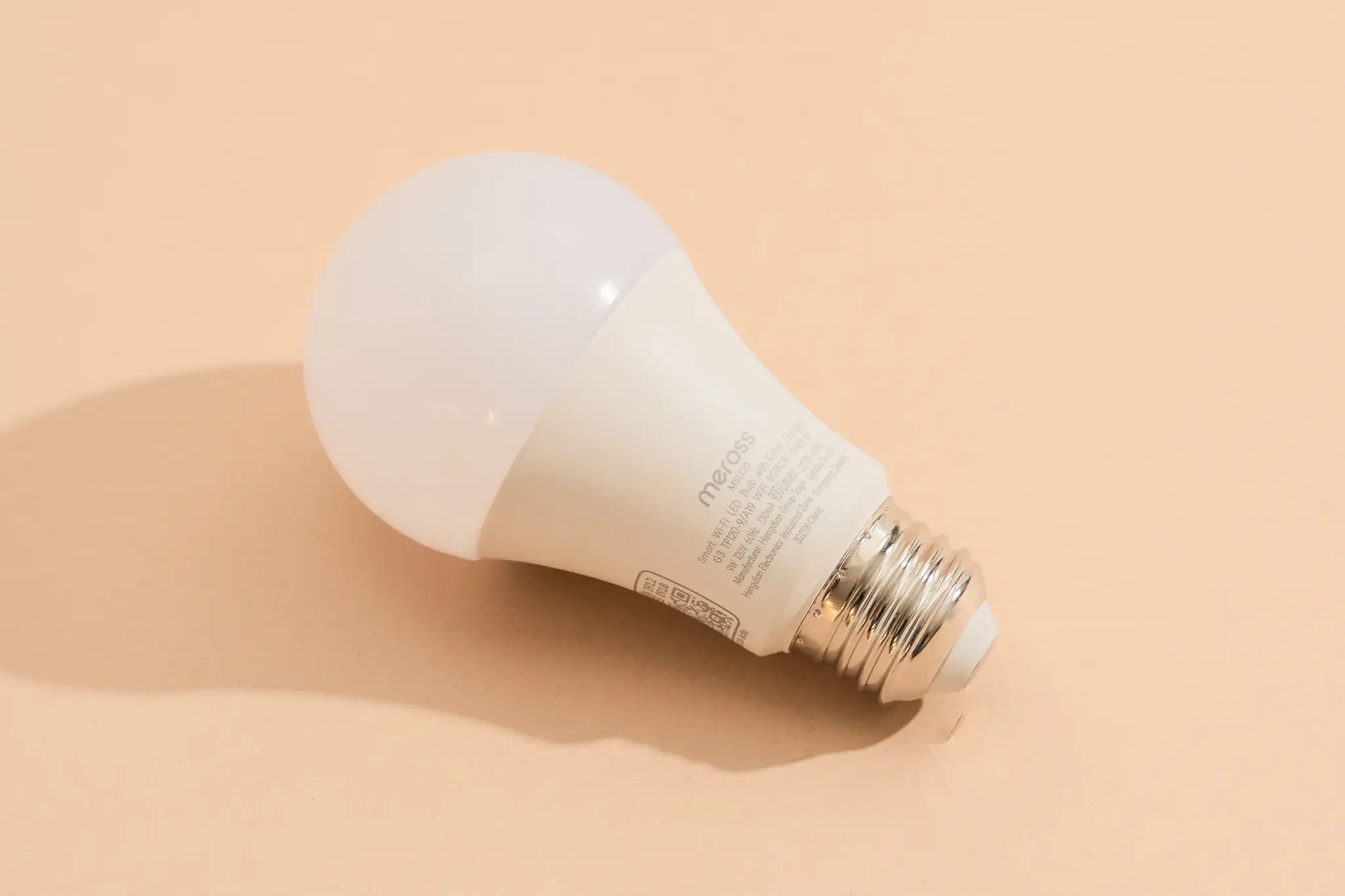
- E27: “medium Edison screw” (ES), 27 mm. The most common household base for main lamps and many larger bedside lamps.
Why this matters for a smart house
- Fit and safety: the wrong base won’t screw in. Adapters exist but often reduce reliability, create wobble, and can trap heat.
- Brightness and size: E27 bulbs are typically larger and brighter; E14 bulbs are more compact with lower heat and output—good for small shades close to your eyes.
- Availability: more smart options exist in E27, particularly for full RGB color and high lumens; E14 selection is growing but still more limited in some brands.
E14 vs E27 at a glance (bedroom context)
- If your lamp has a small, narrow socket or shade: likely E14. Expect “candle” or “golf ball” bulb shapes, ideal for warm, cozy light.
- If your lamp is larger or doubles as a reading light: likely E27. Expect classic A‑shape bulbs (A60/A19) with higher lumen options and broader color engines.
Brightness, beam, and comfort near the pillow
Brightness targets
- Wind‑down ambience: 50–150 lumens at the pillow line is enough.
- Reading in bed: 200–400 lumens focused on the page without glare.
- Night path (bathroom trips): 5–20 lumens, amber to ultra‑warm white.
Typical outputs
- E14 smart bulbs: commonly 250–470 lumens (some reach 600+). Great for ambience and modest reading light in small shades.
- E27 smart bulbs: commonly 470–1,100+ lumens. Better for shared bedrooms or if the bedside lamp often doubles as the main light.
Beam and shade interaction
- E14 candle bulbs throw light upward and downward with less side diffusion—nice with fabric shades that soften hotspots.
- E27 A‑shape bulbs have a broader spread; pair well with drum shades. For clip‑on or narrow shades, choose “soft/diffused glass” models to reduce glare.
Color temperature and circadian lighting
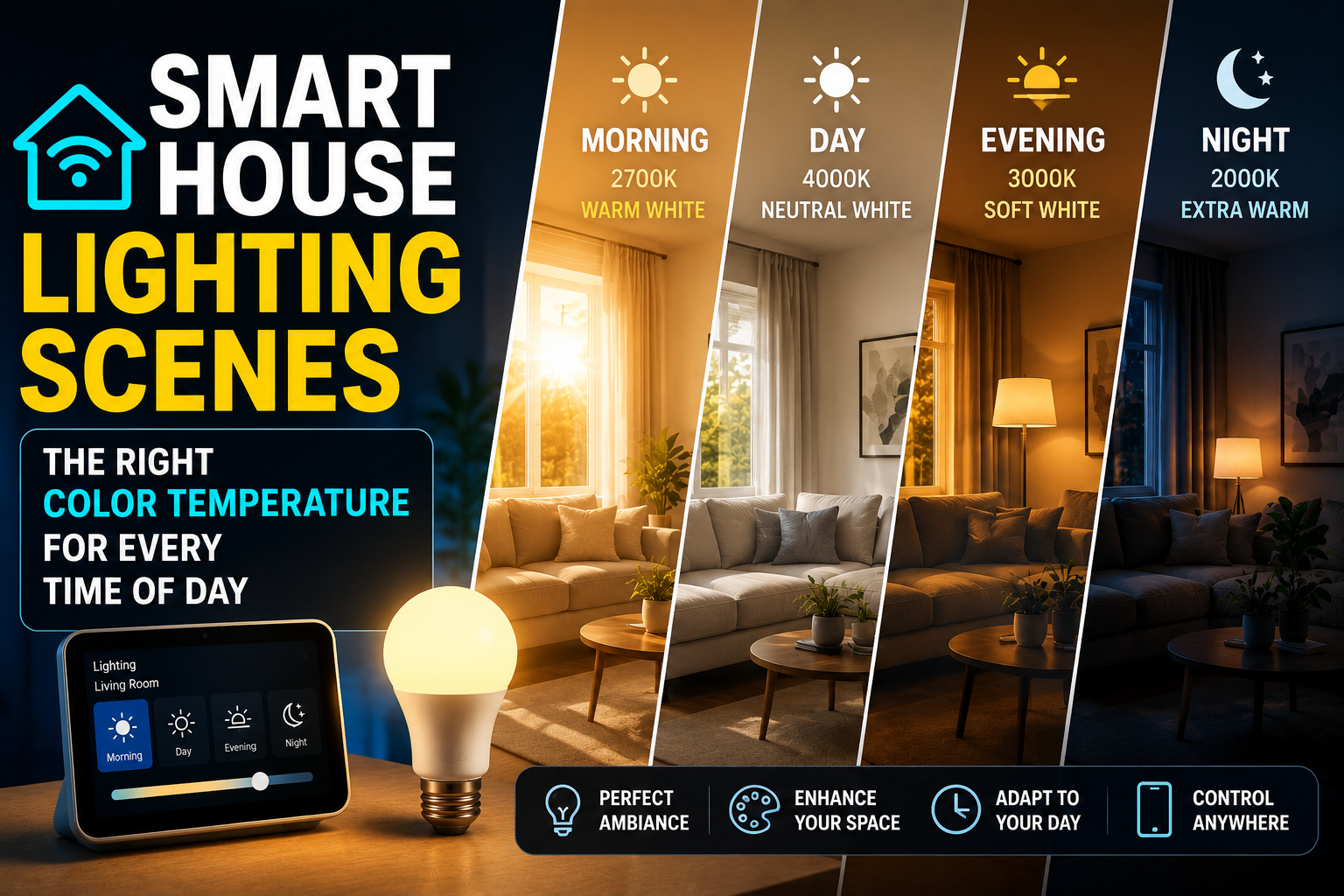
- Tunable white (2,200–6,500 K) is the sweet spot at the bedside.
- Evenings: 2,200–2,700 K to support melatonin and a calmer mood.
- Mornings: 3,500–5,000 K for a gentle boost (avoid harsh blue spikes right after waking).
- RGB/RGBCCT bulbs: color is fun for ambience, but prioritize clean whites and smooth dimming over saturated colors in a bedroom.
Smart protocols that make sense at the bedside
- Wi‑Fi: simple, no hub. Good if you have 1–4 smart lights total. Can be bumpy on congested routers; fine for most apartments if you keep it 2.4 GHz.
- Zigbee (via a bridge): reliable mesh, excellent for quick button responses and motion‑based night lights.
- Thread + Matter: modern, low‑latency, and cross‑platform. Ideal for renters who want local‑feeling control and easier migration between Alexa, Google Home, and Apple Home.
Matter in the bedroom
- Reduces brand lock‑in and helps you keep your bedside setup when you change phones or assistants.
- Look for “Matter over Thread” or “Matter over Wi‑Fi” live today (not “coming soon”).
- If you already own an Apple TV 4K, Nest hub, or recent Echo, you likely have a Matter controller on hand.
Dimming quality and the “1% test”
- Many smart bulbs claim deep dimming; few feel comfortable at truly low levels.
- The bedroom test: set 1–5% brightness at 2200–2400 K in a dark room.
- Good bulbs: no flicker, no stepping, and text remains barely readable if you want a late‑night check of your phone or book.
- Budget bulbs: may “jump” between steps or flicker at very low levels; still usable, but less elegant.
Physical control: don’t rely on voice alone
- Wireless buttons/dimmers (adhesive‑mounted) are a game‑changer near the bed. Map single press to Warm Evening, double press to Nightlight, long press to Off.
- Lamps with an inline cord switch: leave the switch ON permanently so the smart bulb stays powered. If someone toggles it off, the smart control is dead until you flip it back.
- Guest‑friendly naming: “Bed Left,” “Bed Right,” “Bedroom Main” makes voice and app control simpler.
Safety, heat, and shade clearance
- Check the lamp’s max wattage and heat limits. Smart bulbs run cooler than old incandescents but still need some airflow.
- Avoid stuffing large E27 bulbs into very small shades; trapped heat reduces lifespan and can discolor fabric.
- For metal shades close to the bulb, prefer frosted/diffused bulbs to reduce glare.
Common pitfalls with bedside smart lamps
- Using screw‑in dimmer sockets with smart bulbs: avoid. Most smart bulbs expect full mains power and do their own dimming. External dimmers can cause flicker or buzzing.
- E14‑to‑E27 adapters to “force” a fit: can work short‑term but often create wobble or alignment issues. If you must, pick a short, rigid adapter rated for your region’s voltage and current and ensure the shade still mounts correctly.
- Mixing very different bulb models on each side of the bed: color temps won’t match perfectly. Buy the same model for both sides.
Real‑world setups (1‑bedroom examples)
Scenario 1: Cozy renter, tiny bedside shades (likely E14)
- Hardware: two E14 tunable‑white bulbs, one adhesive wireless button on each nightstand.
- Scenes:
- Wind Down: 2300 K at 20% 45 minutes before bedtime.
- Night Path: 2100 K at 5% (mapped to double‑press).
- Read: 3500–4000 K at 60% on the reader’s side only.
- Result: whisper‑quiet control at night; warm ambience without blasting the room.
Scenario 2: Shared bedroom, lamps double as main lights (E27)
- Hardware: two E27 bulbs (one tunable white, one color if you like ambience), one wall‑mounted dimmer/button by the door, optional bedside buttons.
- Scenes:
- Evening Warm: 2700 K at 40% across both lamps.
- Sunrise: gradual ramp from 2200 K to 4000 K over 20 minutes on workdays.
- Movie: 2200 K at 15% on one side; other side off.
- Result: consistent white tones, quick physical control for guests, gentle wakeups.
Scenario 3: Mixed protocol, low latency
- Hardware: Thread/Matter bulbs at the bedside + a Thread border router (Apple TV/Nest); Wi‑Fi bulb for the distant wardrobe lamp.
- Automations:
- Bedtime routine: both bedside bulbs fade to 0% over 3 minutes; wardrobe lamp off immediately.
- Late‑night motion: hallway sensor sets bedroom to 5% warm for 5 minutes after 1 a.m.
- Result: local‑feeling response where you need it most; cloud‑friendly control where latency doesn’t matter.
Comparing E14 vs E27 by use case
- Best for very small shades close to your eyes: E14. Choose tunable white, 250–470 lm, frosted glass for comfort.
- Best for lamps doubling as main light: E27. Choose 800–1,100 lm options, RGBCCT if you want color plus clean whites.
- Best for ultra‑low nightlight: tie both to a dimmer/button scene; either base works, but models with excellent low‑level dimming win.
Color, CRI, and reading comfort
- CRI 80+ is standard; CRI 90+ improves how skin tones, wood, and book pages look.
- For frequent reading, pick tunable white with CRI 90+ if available; keep color scenes for ambience, not for text.
Apple Home, Alexa, Google Home behavior
- Apple Home: Thread/Matter bulbs give a polished experience with fast scene triggers from the Home app or Apple Watch. Great for “goodnight” automations.
- Alexa: excellent for voice scenes (“Alexa, wind down”) and routines that tie to alarms.
- Google Home: solid for room‑based control and sunrise routines; assign bedside lamps to the “Bedroom” room for consistent commands.
Noise, flicker, and sleep hygiene
- Smart bulbs are quiet; if you hear buzzing, it’s usually an incompatible dimmer or a power supply issue. Remove inline dimmers and keep lamps on constant power.
- For sleep, avoid cool whites in the hour before bed. If you need task light, bounce warm light off the wall or use a fabric shade to diffuse.
Adapters: when (and when not) to use them
- E14 lamp, E27 bulb (or vice versa): try to avoid—buy the correct base instead.
- If your lamp is rare and you can’t find a matching smart bulb:
- Use a short, sturdy adapter.
- Verify shade clearance and heat.
- Test at low brightness first; monitor for heat build‑up.
- Treat as a temporary bridge until you replace the lamp or bulb.
Maintenance and moving out (renters)
- Keep the lamp’s original bulb in a drawer. When you move, swap back in, factory‑reset the smart bulbs, and pack your buttons with their bases.
- Label scenes in your app with short names you’ll reuse in the next home (WindDown, Night, Read).
Quick buying guide (copy/paste)
- Base: confirm E14 or E27 printed on the lamp socket or old bulb.
- Brightness: 250–470 lm (cozy E14 ambience), 470–1,100 lm (E27 multi‑use/reading).
- Color: tunable white minimum; RGBCCT if you want color plus clean whites.
- Dimming: pass the 1–5% “no flicker, no stepping” test.
- Protocol: Thread/Matter if possible; Zigbee bridge for rock‑solid buttons; Wi‑Fi for easy, low‑device setups.
- CRI: 90+ preferred for reading and natural color.
- Heat/fit: frosted globe for small shades; ensure airflow.
- Control: add at least one physical button near the bed.
- Pairing: Matter QR code or a well‑rated native app.
- Warranty and updates: active firmware support is a good sign.
Troubleshooting bedside quirks
- Lamp won’t respond in the morning
- Check that the physical switch stayed ON. Consider a small “do not switch” tag or replace the in‑line switch with a smart‑friendly one (if allowed).
- One side looks warmer than the other
- Sync both lamps to the same scene from the same platform; avoid mixing manufacturer “dynamic scenes” with platform scenes in the same room.
- Light too harsh at night
- Drop to 2200 K or enable an amber nightlight scene at 5–10%. Consider a diffuser shade or frosted bulb model.
Budget vs premium: where to spend
- Spend on: dimming quality, tunable whites, and a good button. These directly affect comfort.
- Save on: extreme brightness or elaborate RGB if you rarely use vivid colors at the bedside.
SEO‑adjacent ideas you can expand later
- “Best Matter‑Ready E14 Bulbs for Bedside Lamps”
- “How to Fix Flicker at 1% Brightness on Smart Bulbs”
- “Thread vs Wi‑Fi for Bedroom Lights: Real‑World Latency”
Conclusion
Choosing between E14 and E27 for smart bedside lamps is mostly about fit, brightness needs, and how close the light sits to your eyes. E14 shines in compact shades and cozy, low‑glare setups; E27 offers more headroom if your lamp doubles as a main light or you need brighter reading levels. Whichever base you have, prioritize tunable white with smooth, low‑level dimming, add one simple physical control per side of the bed, and aim for Matter or a reliable mesh (Thread/Zigbee) so scenes trigger instantly. Get those fundamentals right, and your bedside lighting becomes effortless: warm when you wind down, gentle when you wake, and always within easy reach—even with your eyes closed.
Smart House Bedside Lamps: E14 vs E27 Compatibility
Introduction
Bedside lighting is where smart homes prove their everyday value. You want a soft, reliable glow for winding down, a gentle sunrise effect to wake up, and one‑tap or voice control that works half‑asleep. But before choosing scenes or assistants, you need the right bulb base for your lamp: E14 or E27. Get that wrong and nothing fits. This guide explains the real‑world differences between E14 and E27 for smart bedside lamps, how brightness and beam shape change by base, what protocols (Wi‑Fi, Zigbee, Thread/Matter) make sense in a bedroom, and how to avoid common pitfalls with dimmers, shades, and switches. We’ll finish with practical layouts for small bedrooms and a buying checklist you can copy.
What E14 and E27 actually mean
- E stands for Edison screw. The number is the diameter of the screw in millimeters.
- E14: “small Edison screw” (SES), 14 mm. Common in bedside table lamps, decorative fixtures, and smaller shades—especially in Europe.
- E27: “medium Edison screw” (ES), 27 mm. The most common household base for main lamps and many larger bedside lamps.
Why this matters for a smart house
- Fit and safety: the wrong base won’t screw in. Adapters exist but often reduce reliability, create wobble, and can trap heat.
- Brightness and size: E27 bulbs are typically larger and brighter; E14 bulbs are more compact with lower heat and output—good for small shades close to your eyes.
- Availability: more smart options exist in E27, particularly for full RGB color and high lumens; E14 selection is growing but still more limited in some brands.
E14 vs E27 at a glance (bedroom context)
- If your lamp has a small, narrow socket or shade: likely E14. Expect “candle” or “golf ball” bulb shapes, ideal for warm, cozy light.
- If your lamp is larger or doubles as a reading light: likely E27. Expect classic A‑shape bulbs (A60/A19) with higher lumen options and broader color engines.
Brightness, beam, and comfort near the pillow
Brightness targets
- Wind‑down ambience: 50–150 lumens at the pillow line is enough.
- Reading in bed: 200–400 lumens focused on the page without glare.
- Night path (bathroom trips): 5–20 lumens, amber to ultra‑warm white.
Typical outputs
- E14 smart bulbs: commonly 250–470 lumens (some reach 600+). Great for ambience and modest reading light in small shades.
- E27 smart bulbs: commonly 470–1,100+ lumens. Better for shared bedrooms or if the bedside lamp often doubles as the main light.
Beam and shade interaction
- E14 candle bulbs throw light upward and downward with less side diffusion—nice with fabric shades that soften hotspots.
- E27 A‑shape bulbs have a broader spread; pair well with drum shades. For clip‑on or narrow shades, choose “soft/diffused glass” models to reduce glare.
Color temperature and circadian lighting
- Tunable white (2,200–6,500 K) is the sweet spot at the bedside.
- Evenings: 2,200–2,700 K to support melatonin and a calmer mood.
- Mornings: 3,500–5,000 K for a gentle boost (avoid harsh blue spikes right after waking).
- RGB/RGBCCT bulbs: color is fun for ambience, but prioritize clean whites and smooth dimming over saturated colors in a bedroom.
Smart protocols that make sense at the bedside
- Wi‑Fi: simple, no hub. Good if you have 1–4 smart lights total. Can be bumpy on congested routers; fine for most apartments if you keep it 2.4 GHz.
- Zigbee (via a bridge): reliable mesh, excellent for quick button responses and motion‑based night lights.
- Thread + Matter: modern, low‑latency, and cross‑platform. Ideal for renters who want local‑feeling control and easier migration between Alexa, Google Home, and Apple Home.
Matter in the bedroom
- Reduces brand lock‑in and helps you keep your bedside setup when you change phones or assistants.
- Look for “Matter over Thread” or “Matter over Wi‑Fi” live today (not “coming soon”).
- If you already own an Apple TV 4K, Nest hub, or recent Echo, you likely have a Matter controller on hand.
Dimming quality and the “1% test”
- Many smart bulbs claim deep dimming; few feel comfortable at truly low levels.
- The bedroom test: set 1–5% brightness at 2200–2400 K in a dark room.
- Good bulbs: no flicker, no stepping, and text remains barely readable if you want a late‑night check of your phone or book.
- Budget bulbs: may “jump” between steps or flicker at very low levels; still usable, but less elegant.
Physical control: don’t rely on voice alone
- Wireless buttons/dimmers (adhesive‑mounted) are a game‑changer near the bed. Map single press to Warm Evening, double press to Nightlight, long press to Off.
- Lamps with an inline cord switch: leave the switch ON permanently so the smart bulb stays powered. If someone toggles it off, the smart control is dead until you flip it back.
- Guest‑friendly naming: “Bed Left,” “Bed Right,” “Bedroom Main” makes voice and app control simpler.
Safety, heat, and shade clearance
- Check the lamp’s max wattage and heat limits. Smart bulbs run cooler than old incandescents but still need some airflow.
- Avoid stuffing large E27 bulbs into very small shades; trapped heat reduces lifespan and can discolor fabric.
- For metal shades close to the bulb, prefer frosted/diffused bulbs to reduce glare.
Common pitfalls with bedside smart lamps
- Using screw‑in dimmer sockets with smart bulbs: avoid. Most smart bulbs expect full mains power and do their own dimming. External dimmers can cause flicker or buzzing.
- E14‑to‑E27 adapters to “force” a fit: can work short‑term but often create wobble or alignment issues. If you must, pick a short, rigid adapter rated for your region’s voltage and current and ensure the shade still mounts correctly.
- Mixing very different bulb models on each side of the bed: color temps won’t match perfectly. Buy the same model for both sides.
Real‑world setups (1‑bedroom examples)
Scenario 1: Cozy renter, tiny bedside shades (likely E14)
- Hardware: two E14 tunable‑white bulbs, one adhesive wireless button on each nightstand.
- Scenes:
- Wind Down: 2300 K at 20% 45 minutes before bedtime.
- Night Path: 2100 K at 5% (mapped to double‑press).
- Read: 3500–4000 K at 60% on the reader’s side only.
- Result: whisper‑quiet control at night; warm ambience without blasting the room.
Scenario 2: Shared bedroom, lamps double as main lights (E27)
- Hardware: two E27 bulbs (one tunable white, one color if you like ambience), one wall‑mounted dimmer/button by the door, optional bedside buttons.
- Scenes:
- Evening Warm: 2700 K at 40% across both lamps.
- Sunrise: gradual ramp from 2200 K to 4000 K over 20 minutes on workdays.
- Movie: 2200 K at 15% on one side; other side off.
- Result: consistent white tones, quick physical control for guests, gentle wakeups.
Scenario 3: Mixed protocol, low latency
- Hardware: Thread/Matter bulbs at the bedside + a Thread border router (Apple TV/Nest); Wi‑Fi bulb for the distant wardrobe lamp.
- Automations:
- Bedtime routine: both bedside bulbs fade to 0% over 3 minutes; wardrobe lamp off immediately.
- Late‑night motion: hallway sensor sets bedroom to 5% warm for 5 minutes after 1 a.m.
- Result: local‑feeling response where you need it most; cloud‑friendly control where latency doesn’t matter.
Comparing E14 vs E27 by use case
- Best for very small shades close to your eyes: E14. Choose tunable white, 250–470 lm, frosted glass for comfort.
- Best for lamps doubling as main light: E27. Choose 800–1,100 lm options, RGBCCT if you want color plus clean whites.
- Best for ultra‑low nightlight: tie both to a dimmer/button scene; either base works, but models with excellent low‑level dimming win.
Color, CRI, and reading comfort
- CRI 80+ is standard; CRI 90+ improves how skin tones, wood, and book pages look.
- For frequent reading, pick tunable white with CRI 90+ if available; keep color scenes for ambience, not for text.
Apple Home, Alexa, Google Home behavior
- Apple Home: Thread/Matter bulbs give a polished experience with fast scene triggers from the Home app or Apple Watch. Great for “goodnight” automations.
- Alexa: excellent for voice scenes (“Alexa, wind down”) and routines that tie to alarms.
- Google Home: solid for room‑based control and sunrise routines; assign bedside lamps to the “Bedroom” room for consistent commands.
Noise, flicker, and sleep hygiene
- Smart bulbs are quiet; if you hear buzzing, it’s usually an incompatible dimmer or a power supply issue. Remove inline dimmers and keep lamps on constant power.
- For sleep, avoid cool whites in the hour before bed. If you need task light, bounce warm light off the wall or use a fabric shade to diffuse.
Adapters: when (and when not) to use them
- E14 lamp, E27 bulb (or vice versa): try to avoid—buy the correct base instead.
- If your lamp is rare and you can’t find a matching smart bulb:
- Use a short, sturdy adapter.
- Verify shade clearance and heat.
- Test at low brightness first; monitor for heat build‑up.
- Treat as a temporary bridge until you replace the lamp or bulb.
Maintenance and moving out (renters)
- Keep the lamp’s original bulb in a drawer. When you move, swap back in, factory‑reset the smart bulbs, and pack your buttons with their bases.
- Label scenes in your app with short names you’ll reuse in the next home (WindDown, Night, Read).
Quick buying guide (copy/paste)
- Base: confirm E14 or E27 printed on the lamp socket or old bulb.
- Brightness: 250–470 lm (cozy E14 ambience), 470–1,100 lm (E27 multi‑use/reading).
- Color: tunable white minimum; RGBCCT if you want color plus clean whites.
- Dimming: pass the 1–5% “no flicker, no stepping” test.
- Protocol: Thread/Matter if possible; Zigbee bridge for rock‑solid buttons; Wi‑Fi for easy, low‑device setups.
- CRI: 90+ preferred for reading and natural color.
- Heat/fit: frosted globe for small shades; ensure airflow.
- Control: add at least one physical button near the bed.
- Pairing: Matter QR code or a well‑rated native app.
- Warranty and updates: active firmware support is a good sign.
Troubleshooting bedside quirks
- Lamp won’t respond in the morning
- Check that the physical switch stayed ON. Consider a small “do not switch” tag or replace the in‑line switch with a smart‑friendly one (if allowed).
- One side looks warmer than the other
- Sync both lamps to the same scene from the same platform; avoid mixing manufacturer “dynamic scenes” with platform scenes in the same room.
- Light too harsh at night
- Drop to 2200 K or enable an amber nightlight scene at 5–10%. Consider a diffuser shade or frosted bulb model.
Budget vs premium: where to spend
- Spend on: dimming quality, tunable whites, and a good button. These directly affect comfort.
- Save on: extreme brightness or elaborate RGB if you rarely use vivid colors at the bedside.
SEO‑adjacent ideas you can expand later
- “Best Matter‑Ready E14 Bulbs for Bedside Lamps”
- “How to Fix Flicker at 1% Brightness on Smart Bulbs”
- “Thread vs Wi‑Fi for Bedroom Lights: Real‑World Latency”
Conclusion
Choosing between E14 and E27 for smart bedside lamps is mostly about fit, brightness needs, and how close the light sits to your eyes. E14 shines in compact shades and cozy, low‑glare setups; E27 offers more headroom if your lamp doubles as a main light or you need brighter reading levels. Whichever base you have, prioritize tunable white with smooth, low‑level dimming, add one simple physical control per side of the bed, and aim for Matter or a reliable mesh (Thread/Zigbee) so scenes trigger instantly. Get those fundamentals right, and your bedside lighting becomes effortless: warm when you wind down, gentle when you wake, and always within easy reach—even with your eyes closed.