
- Why Smart Home Routines Matter
- Understanding the “Leave Home” Routine
- Real-World Example: Morning Departure
- Why Simplicity Often Works Best
- Understanding Night Mode
- Common Triggers for Night Mode
- Core Elements of an Effective Night Mode Routine
- Creating a Comfortable Sleep Environment
- Combining Lighting and Security
- Example: A Complete Night Mode Scenario
- Integrating Leave Home and Night Mode Together
- Future Trends in Smart Home Routines
- Common Mistakes to Avoid
- Conclusion
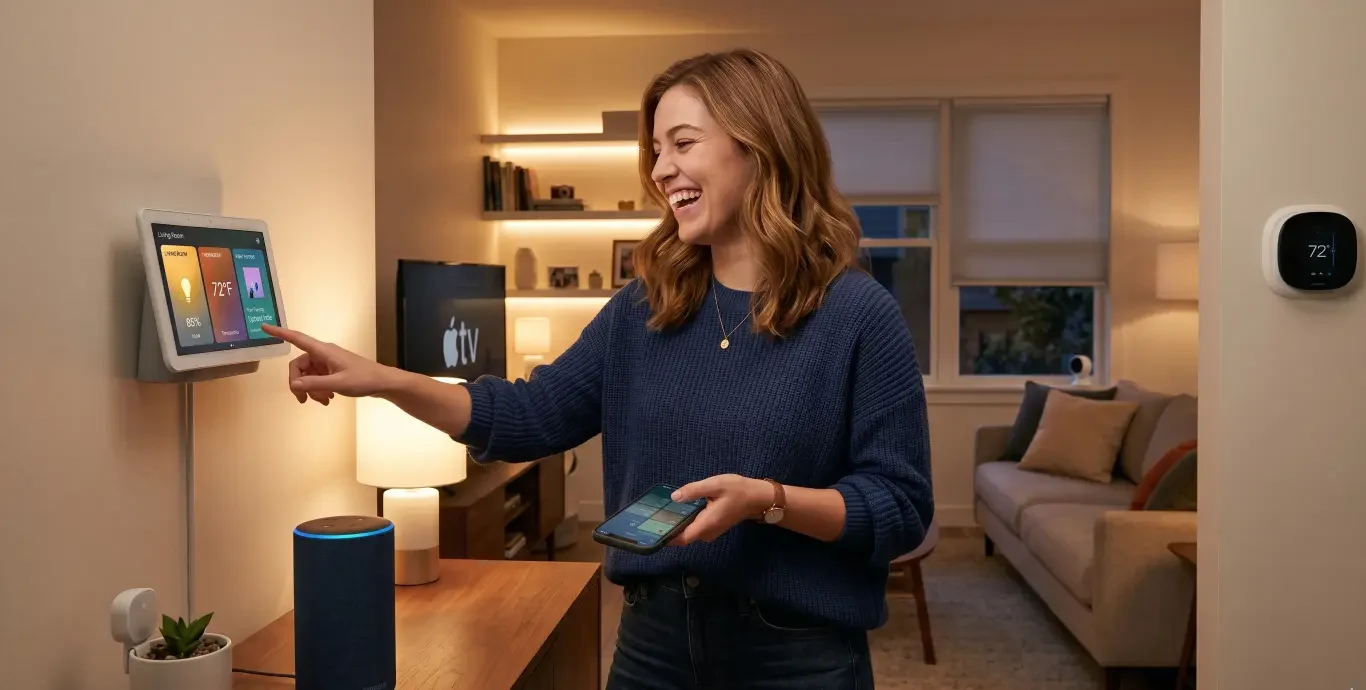
One of the biggest reasons people invest in smart home technology is not simply to control devices remotely. The true value of a smart house emerges when devices begin working together automatically, reducing repetitive tasks and creating a more comfortable, secure, and efficient living environment.
This is where smart home routines come into play.
A routine is a predefined set of actions that occur automatically when certain conditions are met. Instead of manually adjusting lights, thermostats, locks, blinds, and security systems throughout the day, a smart home can coordinate these actions for you. Among the many automation scenarios available, two stand out as the foundation of nearly every successful smart home setup: the “Leave Home” routine and the “Night Mode” routine.
These automations address two of the most common transitions in daily life. One occurs when everyone leaves the house, and the other happens when the household prepares for sleep. While they may seem simple at first glance, well-designed routines can improve security, reduce energy consumption, increase convenience, and even extend the lifespan of connected devices.
In this guide, we’ll explore how these routines work, why they matter, and how homeowners can create practical, intelligent automations that make everyday living easier.
Why Smart Home Routines Matter
Many people begin their smart home journey by purchasing individual devices.
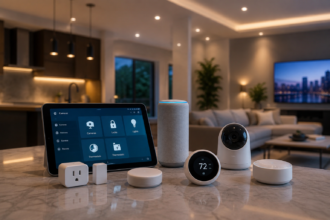
Perhaps they start with:
- Smart bulbs
- Smart plugs
- Smart thermostats
- Smart speakers
- Video doorbells
While these products are useful on their own, managing each device separately can quickly become inconvenient.
The real magic happens when devices cooperate automatically.
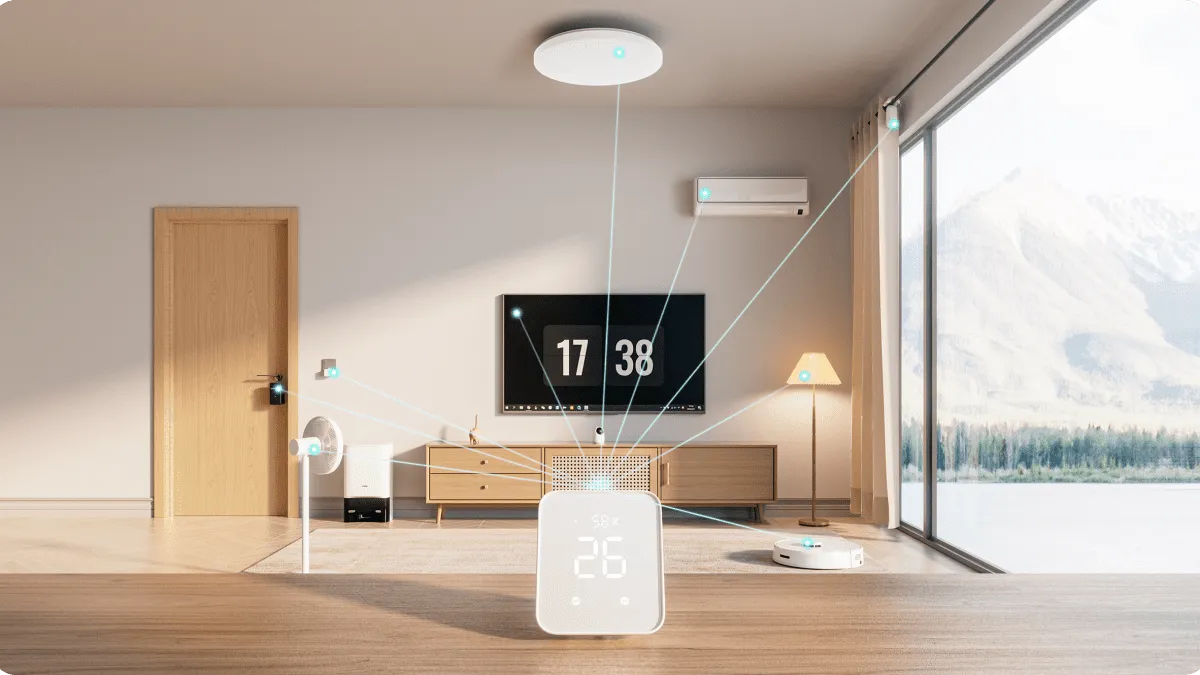
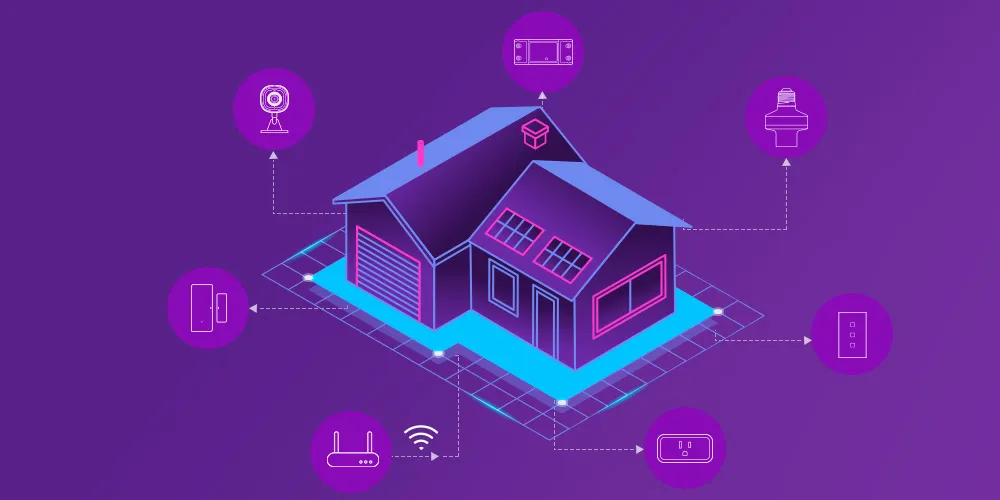
Instead of controlling ten devices individually, one routine can manage the entire home with a single trigger.
This transforms a collection of gadgets into an integrated smart home ecosystem.
Understanding the “Leave Home” Routine
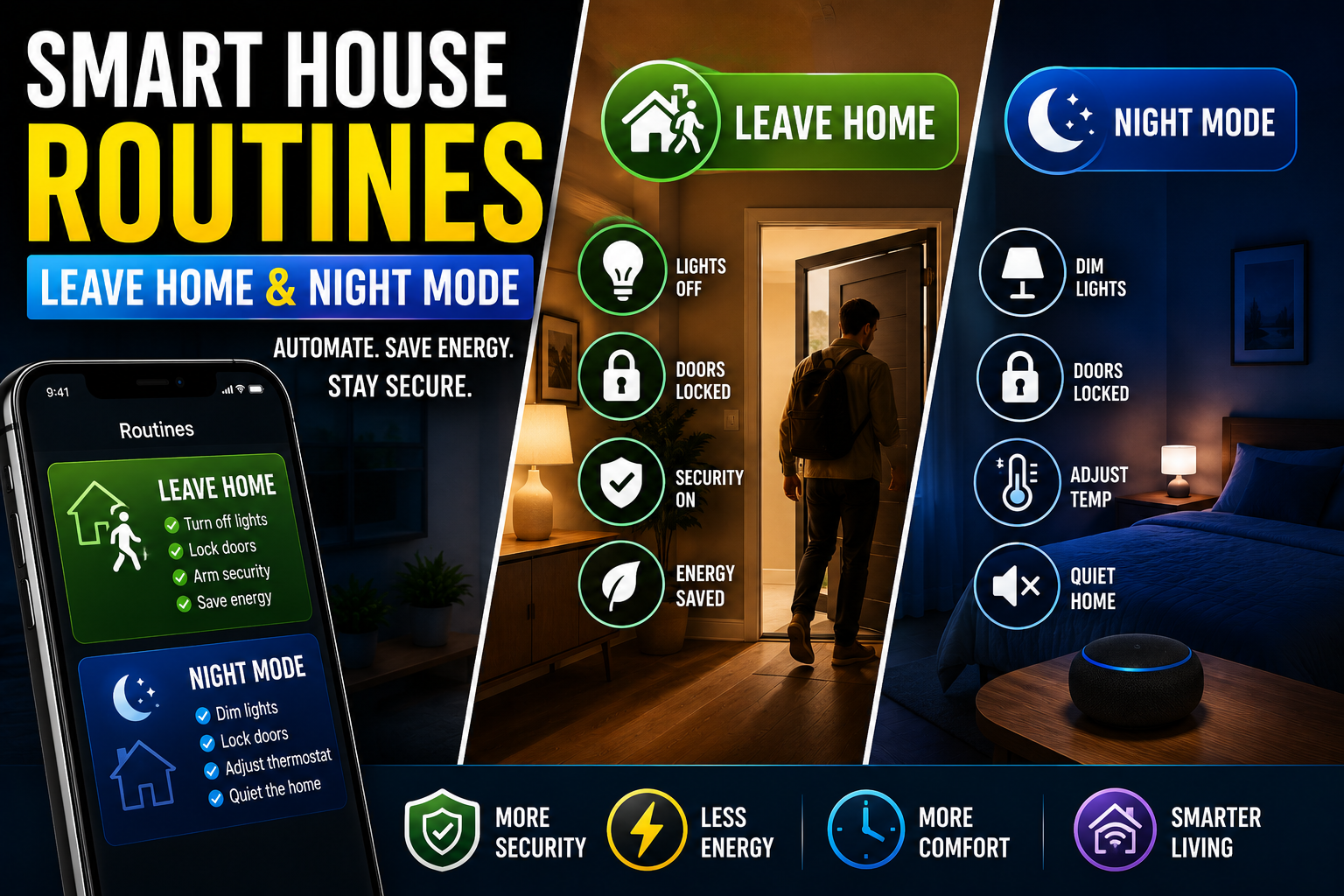
The Leave Home routine is designed to prepare the house when occupants depart.
Its primary objectives are:
- Enhancing security
- Reducing energy waste
- Protecting appliances
- Simplifying daily departures
Rather than wondering whether lights were left on or doors were locked, the routine handles these tasks automatically.
Common Triggers for Leave Home
A routine needs a trigger to begin.
Several options are commonly used.
Geofencing
One of the most popular methods uses smartphone location services.
When all household members leave a designated area around the home, the routine activates automatically.
This approach requires no manual input.
The house simply recognizes that nobody is present.
Voice Commands
Some homeowners prefer voice activation.
Commands such as:
“Leaving home”
or
“Goodbye”
can trigger multiple actions simultaneously.
Smart Buttons
Physical smart buttons located near the front door provide another convenient option.
A single press can activate the entire departure sequence.
Essential Actions in a Leave Home Routine
The best Leave Home routines focus on practical tasks rather than excessive complexity.
Turning Off Unnecessary Lights
Lighting is usually the first automation included.
When nobody is home, most interior lights can safely switch off.
This prevents wasted electricity and extends bulb life.
Adjusting Climate Control
Heating and cooling systems often consume more energy than any other household device.
A Leave Home routine can automatically:
- Raise cooling temperatures in summer
- Lower heating temperatures in winter
- Switch HVAC systems into eco mode
These adjustments can significantly reduce energy consumption without sacrificing comfort.
Locking Smart Locks
Smart locks are a natural component of departure routines.
If a door remains unlocked accidentally, the system can secure it automatically.
This reduces one of the most common homeowner concerns.
Arming Security Systems
Many homeowners integrate alarm systems directly into their automation routines.
Upon departure, the system may:
- Activate intrusion monitoring
- Enable motion sensors
- Begin camera recording
- Increase notification sensitivity
Security becomes automatic rather than dependent on memory.
Turning Off Smart Plugs
Certain electronics continue consuming electricity even when not actively used.
This phenomenon is commonly known as standby power consumption.
A Leave Home routine can disconnect:
- Entertainment devices
- Decorative lighting
- Chargers
- Small appliances
The result is improved energy efficiency.
Real-World Example: Morning Departure
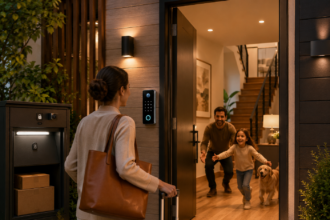
Imagine a family leaving for work and school at 8:00 AM.
As the final person exits the home, geofencing activates the Leave Home routine.
Within seconds:
- Interior lights switch off.
- The thermostat enters eco mode.
- Smart plugs disconnect unused devices.
- Doors lock automatically.
- Security monitoring activates.
- Cameras switch to enhanced recording mode.
No manual intervention is required.
The house essentially secures and optimizes itself.
Why Simplicity Often Works Best
One common mistake among smart home enthusiasts is overcomplicating automations.
A routine with dozens of actions may appear impressive but can become difficult to manage.
Reliable routines focus on meaningful tasks.
A successful Leave Home routine should feel invisible rather than complicated.
The goal is convenience, not complexity.
Understanding Night Mode
If Leave Home protects the house during absence, Night Mode focuses on comfort, security, and sleep quality.
Night Mode typically activates during evening hours or immediately before bedtime.
It helps transition the home from daytime activity into nighttime operation.
Why Night Mode Is Valuable
Many households follow similar nighttime patterns.
People typically:
- Turn off lights
- Lock doors
- Adjust thermostats
- Reduce noise
- Prepare bedrooms
Smart automation can streamline these repetitive actions.
The result is a smoother bedtime experience.
Common Triggers for Night Mode
Night Mode can be activated in several ways.
Scheduled Activation
Many homeowners use fixed schedules.
For example:
- 10:00 PM on weekdays
- 11:00 PM on weekends
Scheduled activation works well for households with consistent routines.
Voice Commands
Voice assistants make bedtime automations particularly convenient.
A simple phrase such as:
“Good night”
can trigger dozens of actions instantly.
Bedroom Motion Detection
Some advanced systems use occupancy sensors.
When activity decreases significantly during nighttime hours, Night Mode can activate automatically.
Core Elements of an Effective Night Mode Routine
Turning Off Main Lighting
Bright lighting can interfere with the body’s natural sleep preparation process.
Night Mode typically switches off:
- Living room lights
- Kitchen lighting
- Hallway fixtures
Only essential lighting remains active.
Activating Soft Night Lighting
Certain areas benefit from low-level illumination.
Examples include:
- Staircases
- Hallways
- Bathrooms
Motion-triggered night lights improve safety without disturbing sleep.
Securing Entry Points
Nighttime is often when homeowners become most aware of security concerns.
A Night Mode routine can verify:
- Doors are locked
- Garage doors are closed
- Windows are secured
If an issue is detected, the system can send an alert immediately.
Adjusting Indoor Temperatures
Temperature plays an important role in sleep quality.
Many homeowners find that slightly cooler nighttime temperatures improve comfort.
Night Mode can automatically adjust climate settings to support better rest.
Reducing Smart Home Distractions
Notifications and unnecessary alerts can interrupt sleep.
Night Mode may:
- Silence smart speakers
- Mute non-essential notifications
- Reduce device brightness
- Enable quiet hours
The home becomes calmer and less intrusive.
Creating a Comfortable Sleep Environment
One of the most overlooked benefits of Night Mode is its impact on overall well-being.
A thoughtfully designed nighttime routine can contribute to:
- Better sleep quality
- Reduced stress
- Greater comfort
- Improved consistency
Technology should support healthy habits rather than create additional distractions.
Combining Lighting and Security
The most effective Night Mode routines balance comfort and protection.
For example:
Exterior lighting may remain active while interior lights gradually dim.
Motion sensors can continue monitoring outdoor areas without disturbing occupants inside.
This layered approach provides reassurance while maintaining a peaceful environment.
Example: A Complete Night Mode Scenario
Imagine a homeowner saying:
“Good night.”
Immediately, the smart house responds.
The system:
- Locks all doors.
- Closes smart blinds.
- Dims bedroom lights gradually.
- Turns off televisions.
- Adjusts the thermostat.
- Activates perimeter security monitoring.
- Enables hallway night lighting.
- Silences non-critical notifications.
Within moments, the entire house transitions into nighttime operation.
This experience feels seamless and natural.
Integrating Leave Home and Night Mode Together
Although these routines serve different purposes, they often complement one another.
Many smart home devices participate in both.
For example:
Smart Lighting
- Off during Leave Home
- Dimmed during Night Mode
Smart Thermostats
- Energy-saving mode during absence
- Sleep-optimized temperatures at night
Smart Locks
- Automatic locking when leaving
- Security verification before bedtime
Security Cameras
- Enhanced monitoring when away
- Perimeter monitoring overnight
A cohesive ecosystem creates a more intelligent and responsive home.
Future Trends in Smart Home Routines
Smart home automation continues to evolve rapidly.
Artificial intelligence is beginning to make routines more adaptive.
Rather than relying solely on schedules, future systems may learn:
- Occupancy patterns
- Preferred temperatures
- Sleep habits
- Seasonal behavior
The home will increasingly anticipate needs rather than simply react to commands.
For example, a future Leave Home routine might recognize an unusual departure pattern and ask for confirmation before activating.
Similarly, Night Mode may adjust automatically based on sleep tracking data.
The future of automation is personalization.
Common Mistakes to Avoid
Automating Too Much Too Quickly
Building routines gradually often produces better results.
Start with a few meaningful automations before expanding.
Ignoring Household Preferences
Every family has unique habits.
Effective routines should reflect actual lifestyles rather than generic templates.
Failing to Test Automations
Even simple routines benefit from occasional review.
Testing ensures devices behave as expected.
Prioritizing Complexity Over Reliability
The best routine is not necessarily the most advanced.
Reliability consistently delivers more value than complexity.
Conclusion
Smart home routines represent the true power of modern home automation. While individual devices offer convenience, it is the coordination between those devices that transforms a house into a genuinely intelligent living environment.
Among all available automations, Leave Home and Night Mode remain the most useful and universally applicable. They enhance security, improve energy efficiency, reduce daily friction, and create a more comfortable home experience without requiring constant user interaction.
Whether you’re just beginning your smart home journey or refining an advanced setup, investing time in well-designed Leave Home and Night Mode routines can provide immediate benefits. As smart home technology continues to evolve, these foundational automations will remain essential tools for creating safer, more efficient, and more enjoyable homes.