


Smart lighting is where most people begin their smart home journey, and almost immediately they hit a fork in the road. Do you replace your ordinary bulbs with smart ones, or do you replace the wall switches that control them? Both promise app and voice control of your lights. Both deliver that satisfying moment of dimming the living room from the couch. But they solve the problem in fundamentally different ways, and the right choice depends on your home, your budget, and how your household actually uses light switches.
This guide cuts through the confusion. By the end, you will understand exactly how each option works, where each one shines and struggles, and which makes more sense as your very first lighting purchase. There is a clear answer for most beginners, but it comes with important exceptions worth knowing before you spend any money.
How Smart Bulbs Work
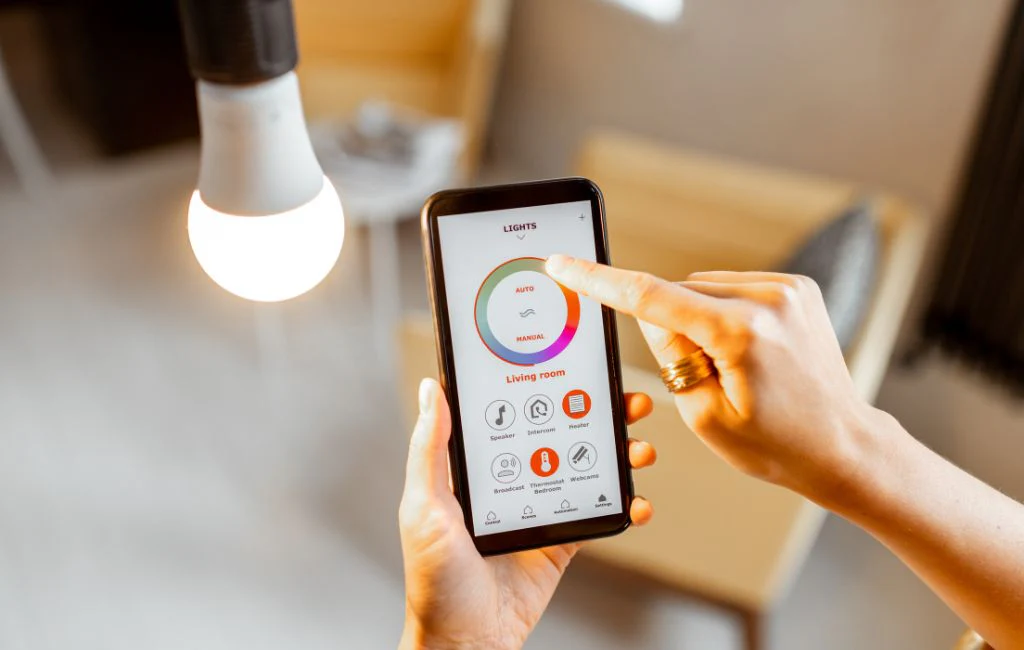
A smart bulb is a self-contained smart device shaped like a normal bulb. Inside its base is a tiny radio and a small computer that connect to your home network or a hub. You screw it into an existing fixture, connect it to an app, and from then on you can control its brightness, color, and on/off state from your phone or by voice.
The appeal is obvious. Installation requires no tools, no wiring, and no electrical knowledge. If you can change a light bulb, you can install a smart bulb. Many also offer features a switch cannot, such as millions of colors, adjustable white tones from warm to cool, and per-bulb control so you can set different scenes in the same room.
The catch is the wall switch. A smart bulb only works when it has power, and the wall switch controls that power. If someone flips the physical switch off, the bulb goes dark and disappears from your app entirely, because it is no longer receiving electricity. This single fact is the root of nearly every frustration people have with smart bulbs, and we will return to it.
How Smart Switches Work
A smart switch replaces the physical switch on your wall. Instead of making the bulb smart, you make the thing that controls the bulb smart. The switch connects to your network, and you control it by app, voice, or the physical paddle on the wall, which continues to work normally.
The major advantage is that the wall control keeps functioning the way everyone expects. A guest, a child, or a houseguest who has never heard of your smart home can walk up and flip the switch, and the lights respond exactly as they always have. Meanwhile you retain app and voice control. You also get to keep using ordinary, inexpensive bulbs in the fixtures, which matters a lot when a room has six or eight bulbs in it.
The trade-off is installation. A smart switch wires into your home’s electrical box, which means working with live wiring. Many switches also require a neutral wire, which older homes sometimes lack. For a confident DIYer this is a manageable job, but for many beginners it means hiring an electrician, which adds cost and planning. Smart switches also generally do not offer color, since they control whatever ordinary bulb is installed.
The Core Difference That Decides Everything
The cleanest way to understand the choice is this: smart bulbs make the light smart, while smart switches make the control smart.
That distinction drives every practical consequence. With smart bulbs, you get rich features like color and per-bulb scenes, but you must train your household never to use the physical switch, because doing so cuts power to the bulb. With smart switches, you lose color control but you keep the natural, foolproof wall switch that everyone already knows how to use.
For a single lamp or a small fixture with one bulb, smart bulbs are wonderfully simple. For a room with multiple bulbs in a ceiling fixture, a single smart switch is usually cheaper and far more practical than buying four or five smart bulbs, and it sidesteps the switch problem entirely.
Cost Comparison for Beginners
On a per-fixture basis, the math often surprises people. A single smart bulb costs more than a single switch’s share when a fixture holds several bulbs. Imagine a dining room chandelier with five bulbs. Making it smart with bulbs means buying five smart bulbs. Making it smart with a switch means buying one smart switch that controls all five ordinary bulbs at once.
For lamps and single-bulb fixtures, smart bulbs win on cost and simplicity. For multi-bulb ceiling fixtures, smart switches usually win on cost. Factor in installation: smart bulbs cost nothing to install, while smart switches may require an electrician if you are not comfortable with wiring or your home lacks a neutral wire. A beginner on a tight budget who is nervous about electrical work should weigh that labor cost honestly.
Reliability and the Real-World Household Test
Here is the test that matters more than any spec sheet: what happens when someone in your home, on autopilot, flips the wall switch?
With smart bulbs, that flip kills the bulb’s power. Your automations stop working, the bulb vanishes from the app, and you cannot turn it back on by voice until someone physically flips the switch on again. In a household with kids, roommates, guests, or anyone who is not deeply invested in your smart home, this happens constantly and becomes the number one complaint.
There are workarounds. You can replace the wall switch with a smart switch designed to keep power flowing to smart bulbs, or add a small switch cover or smart button that prevents accidental use. But these add cost and complexity, and at that point you are buying both a bulb and a switch solution.
With smart switches, this problem simply does not exist. The wall control is the smart control. Everyone uses it naturally, and nothing breaks. For reliability in a real, busy household, this is the single biggest argument in favor of switches.
Which Should a Beginner Buy First?
For most beginners, the honest recommendation is to start with a smart bulb in a lamp or a single-bulb fixture. It is the lowest-risk, lowest-cost, no-tools way to experience smart lighting and decide whether you even enjoy it. A single smart bulb in a bedside lamp or living room lamp gives you color, dimming, voice control, and automation for a small outlay and zero installation anxiety.
Once you know you like smart lighting and you want to upgrade a whole room, especially one with a multi-bulb ceiling fixture, that is the moment to consider a smart switch. The switch solves the household reliability problem and is more economical for fixtures with several bulbs.
In short: smart bulbs to dip your toe in, smart switches to commit a whole room. Many experienced smart home owners end up using both, choosing bulbs where color and per-bulb scenes matter, and switches where reliability and multi-bulb control matter more.
A Quick Decision Checklist
Choose smart bulbs when the fixture is a lamp or holds one or two bulbs, when you want color or adjustable white tones, when you rent and cannot modify wiring, or when you want zero installation. Choose smart switches when a fixture holds three or more bulbs, when household members habitually use the wall switch, when you want the most reliable everyday experience, and when you are comfortable with basic wiring or willing to hire an electrician.
If you rent your home, smart bulbs are almost always the better starting point because they require no permanent changes and you can take them with you when you move. If you own your home and plan to stay, investing in smart switches for your most-used rooms pays off in long-term reliability.
The Bottom Line
Smart bulbs and smart switches both deliver app and voice control of your lights, but they solve the problem from opposite ends. Bulbs make the light itself smart, offering color and effortless no-tools installation, at the cost of the wall-switch problem. Switches make the control smart, offering rock-solid household reliability and better value on multi-bulb fixtures, at the cost of wiring work and no color. Begin with a single smart bulb to learn what you like, then graduate to smart switches for the rooms you want to fully commit. Match the tool to the fixture and the people who live with it, and your smart lighting will feel effortless instead of fragile.
Frequently Asked Questions
Can I use smart bulbs and smart switches together?
Yes, but with care. A standard smart switch cuts power to a smart bulb, which causes problems. If you want both, use a special smart switch designed to keep constant power to smart bulbs, or use a smart button that controls the bulb wirelessly rather than cutting its power. Many people simply use bulbs in some rooms and switches in others.
Do smart switches require a neutral wire?
Many do, though an increasing number of models work without one. Older homes sometimes lack a neutral wire in the switch box. Before buying, check whether your chosen switch needs a neutral and whether your wiring has one. If you are unsure, an electrician can confirm quickly.
Are smart bulbs a good choice for renters?
Yes. Smart bulbs are ideal for renters because they require no wiring changes, install in seconds, and can be unscrewed and taken with you when you move. They let you enjoy smart lighting without modifying a property you do not own.
Why does my smart bulb disappear from the app?
Almost always because the wall switch controlling it has been turned off, cutting its power. A smart bulb needs constant electricity to stay connected. Turning the wall switch back on restores it. This is the most common smart bulb frustration and the main reason some people prefer smart switches.
Which option saves more energy?
Both save energy mainly through the efficient LED bulbs involved and through automations that turn lights off when not needed. Neither has a dramatic edge purely from being smart. The bigger energy savings come from scheduling and motion automation rather than from the choice between bulb and switch.