

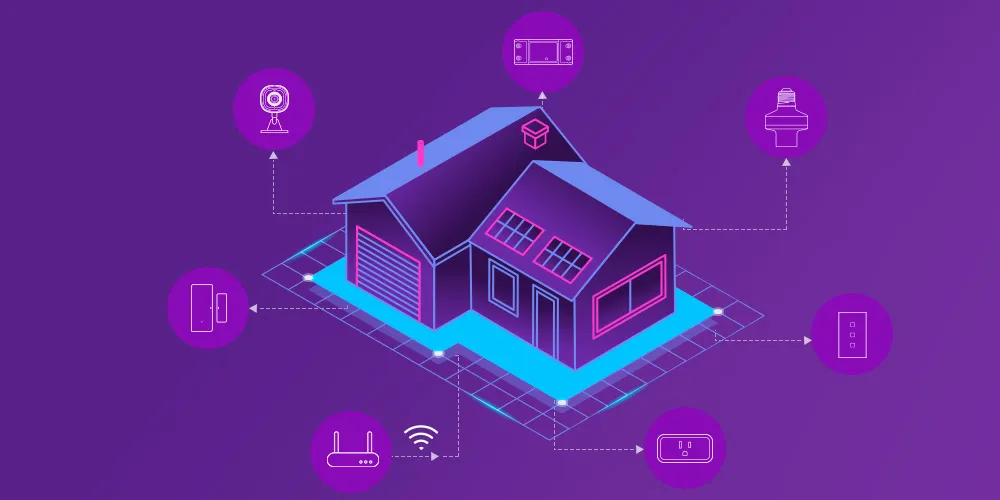
If you have started reading about smart homes, you have probably run into a wall of unfamiliar words: Wi-Fi you know, but Zigbee, Thread, Matter, Z-Wave, hubs, bridges, meshes. It sounds like a foreign language, and it makes a hobby that should be fun feel intimidating. The good news is that you do not need an engineering degree to understand any of it. These are simply different ways for your smart devices to talk to each other and to your phone, each with its own strengths.
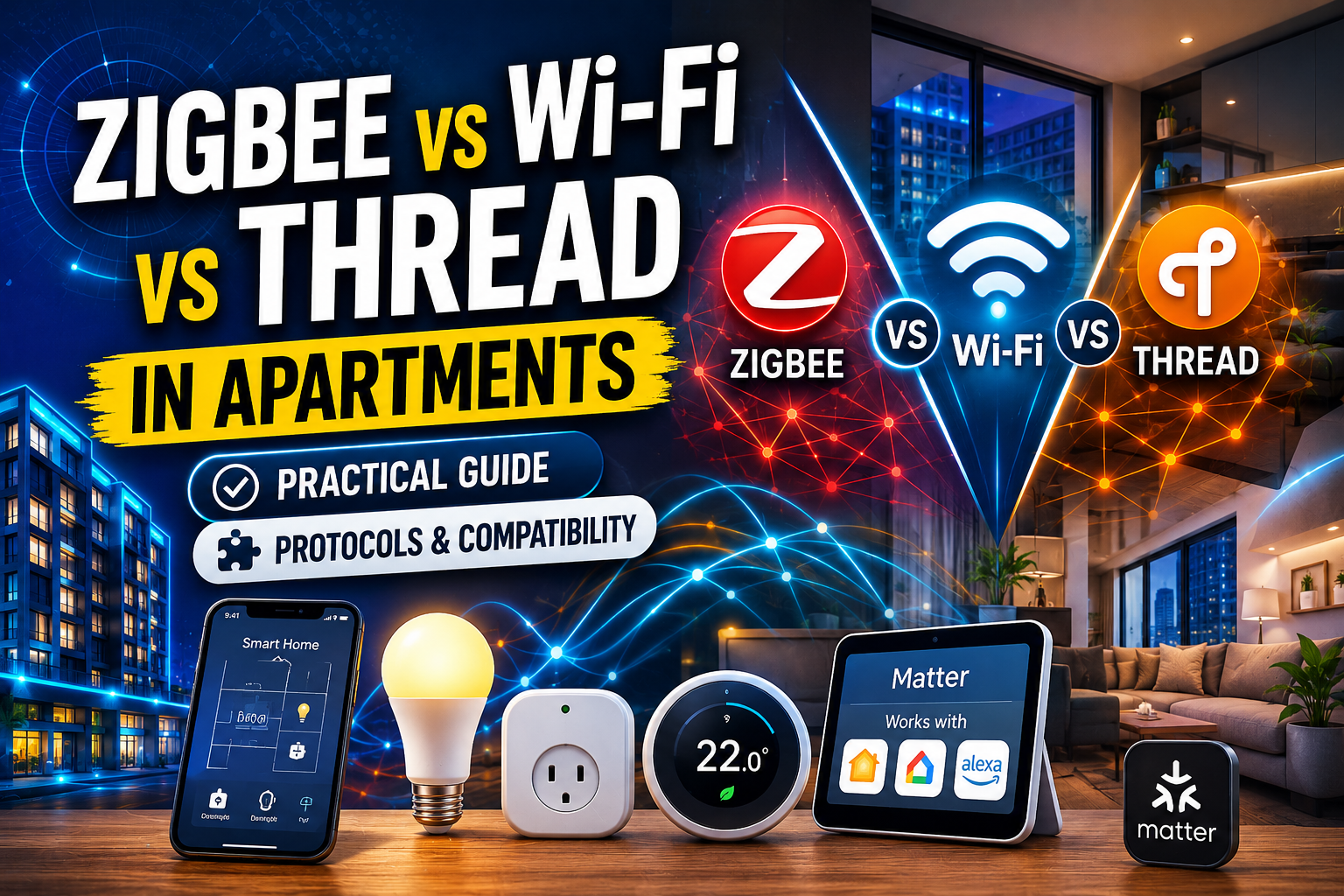
This guide explains the four terms that matter most for a beginner, Wi-Fi, Zigbee, Thread, and Matter, in plain language, with no jargon left undefined. By the end, you will understand what each one is, why it exists, and, most importantly, which ones you actually need to care about when buying your first devices. The answer is reassuringly simple.
Why Smart Devices Need a “Protocol” at All
A protocol is just a shared language and method for devices to communicate. Your smart bulb needs some way to receive the instruction “turn on” from your phone or hub. The protocol is the system that carries that message. Different protocols make different trade-offs between speed, range, power use, and how many devices they can handle gracefully.
This matters to you for one practical reason: compatibility. A device using one protocol may need specific equipment to work, and devices using different protocols sometimes cannot talk to each other directly without a translator. Understanding the basics helps you avoid buying something that does not fit your setup. That is the entire reason a beginner should care, and once you grasp the four below, you are equipped to shop wisely.
Wi-Fi: The One You Already Know
Wi-Fi is the same wireless network that connects your phone and laptop to the internet, and many smart devices use it directly. A Wi-Fi smart bulb or plug connects straight to your home router, with no extra equipment needed. This is why Wi-Fi devices are so popular with beginners: there is nothing new to buy or learn, since you already have Wi-Fi.
The strengths of Wi-Fi are familiarity and simplicity for a small number of devices. The weaknesses appear at scale. Wi-Fi uses relatively more power, which is why you rarely see tiny battery sensors on Wi-Fi, and your router can become strained when dozens of devices all connect to it. For a beginner with a handful of devices, Wi-Fi is perfectly fine and often the easiest path. The limitations only become relevant once you are running many devices across a whole house.
Zigbee: The Low-Power Workhorse
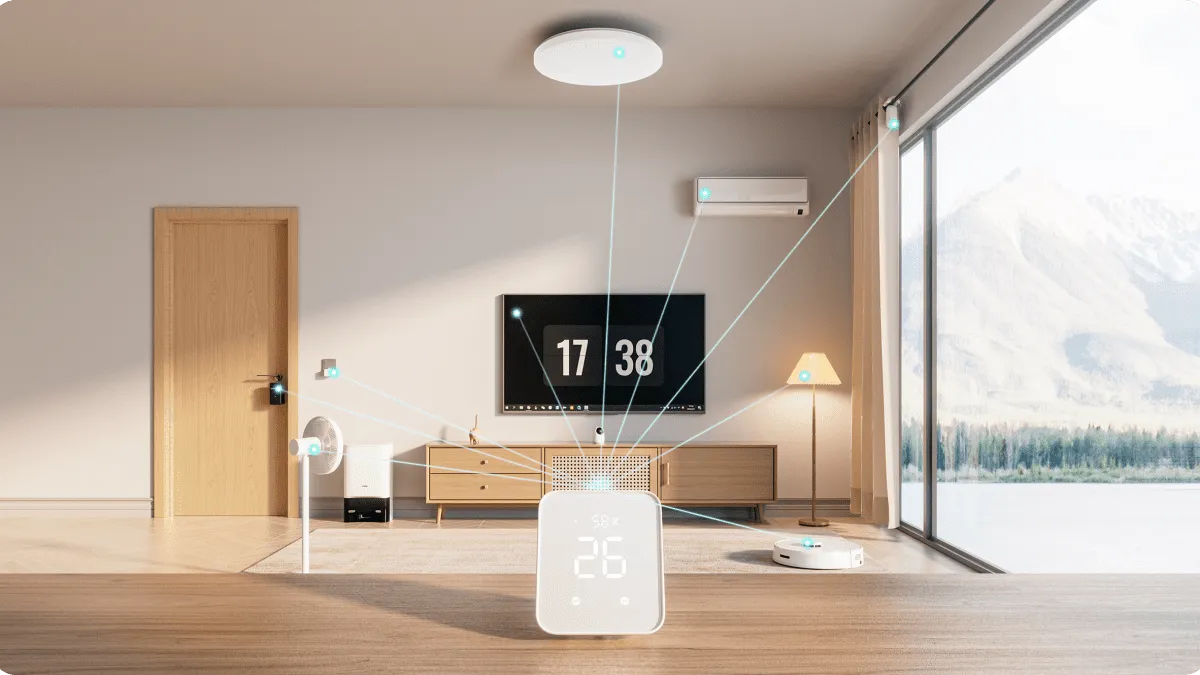
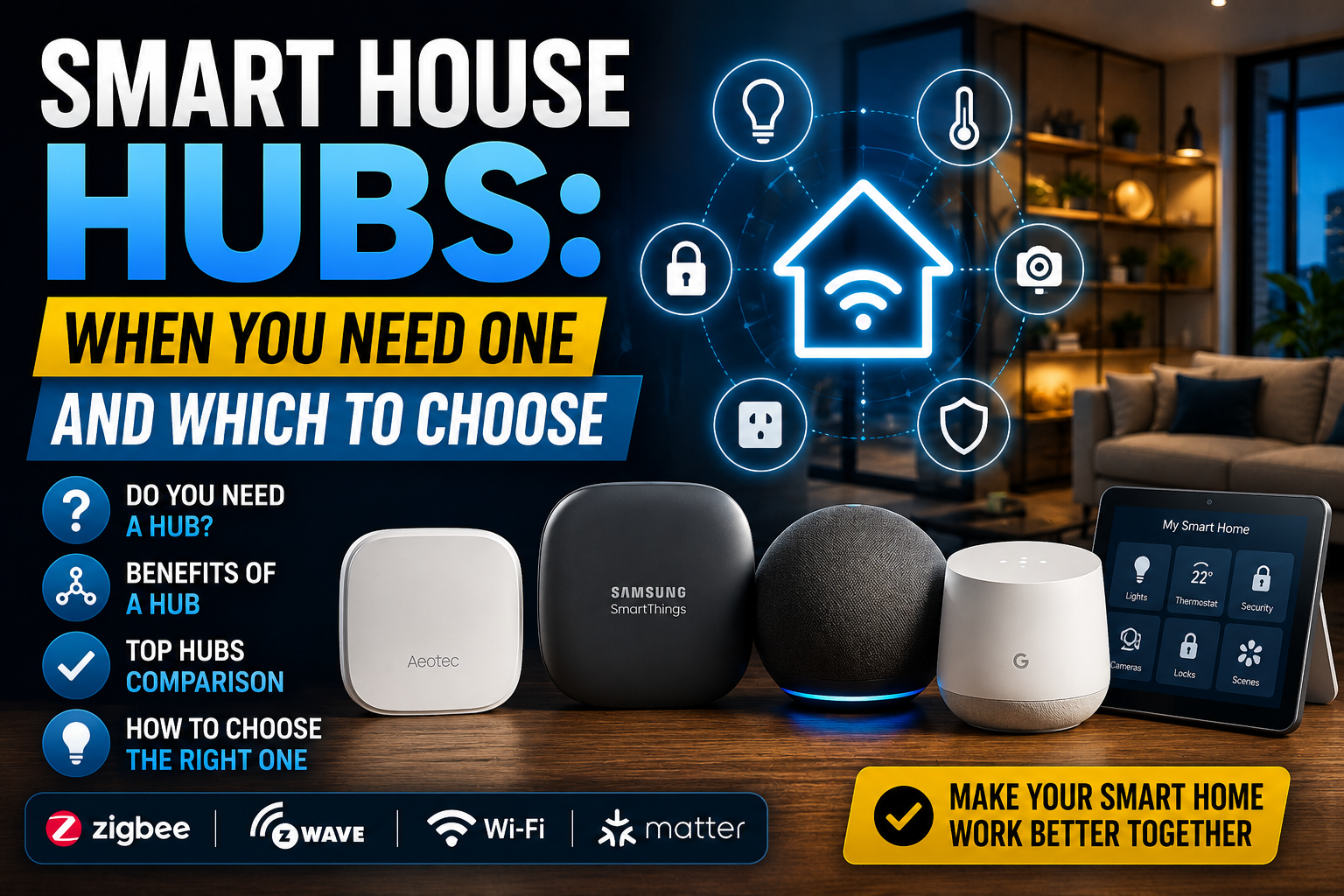
Zigbee is a wireless protocol designed specifically for smart home devices, with an emphasis on low power use and handling many devices efficiently. Unlike Wi-Fi, Zigbee devices do not connect to your router directly. Instead, they connect to a hub, a small box that plugs into your network and acts as a translator between your Zigbee devices and the rest of your system.
Zigbee’s clever trick is that it forms a mesh network. Many mains-powered Zigbee devices, like bulbs and plugs, relay signals for each other, so the network gets stronger and reaches farther as you add more devices. This makes Zigbee excellent for larger setups and for tiny battery-powered sensors that need to sip power and last a long time.
The trade-off is the hub. To use Zigbee devices, you generally need a compatible hub, which is an extra purchase and setup step. For a beginner, this means Zigbee is most attractive if you plan to build a larger system or want efficient battery sensors, and less necessary if you only want a few simple Wi-Fi gadgets.
Thread: The Newer, Smarter Mesh
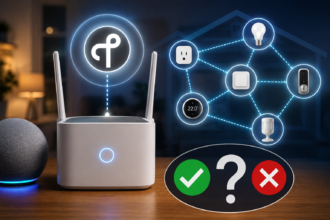
Thread is a newer wireless protocol that, like Zigbee, is designed for low power and forms a self-healing mesh network where devices relay for each other. The key difference is that Thread is built to connect more directly and reliably, and it integrates tightly with the modern Matter standard. Thread devices communicate through a Thread “border router,” a role often built into modern smart speakers, hubs, and displays, rather than always needing a separate dedicated hub box.
Thread aims to combine the efficiency and reliability of a mesh like Zigbee with smoother, more direct connectivity and better future-proofing. For a beginner, the practical takeaway is that Thread is the up-and-coming standard, frequently paired with Matter, and that some devices you already own, like a recent smart speaker, may quietly act as the Thread hub for you. You do not need to master Thread to use it; you mainly need to recognize the name and know it is part of the modern, future-friendly direction of smart homes.
Matter: The Universal Translator
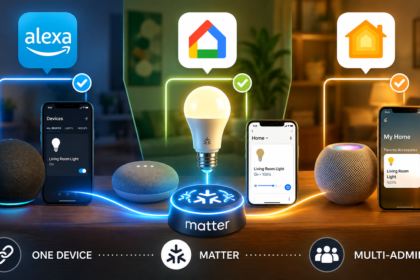
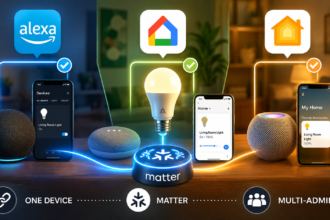
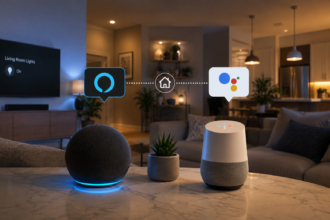
Matter is the most important term for a beginner to understand, because it solves the biggest historical headache in smart homes: incompatibility. For years, devices were locked to particular ecosystems, and a gadget that worked with one platform might not work with another. Matter is a universal standard designed so that any Matter-certified device works across the major platforms, including Alexa, Google, and Apple Home.
Think of Matter not as a competitor to Wi-Fi, Zigbee, and Thread, but as a common language layered on top of them. A Matter device might use Wi-Fi or Thread underneath, but because it speaks Matter, it can join whichever ecosystem you use. This dramatically reduces the risk of buying something that turns out to be incompatible with your platform or that locks you in.
For a beginner, Matter is your safety net. When you shop, looking for the Matter logo is the single easiest way to ensure a device will work with your system and keep working if you ever switch platforms. It is the closest thing the smart home world has to a guarantee of compatibility, which is exactly what a newcomer wants.
What a Beginner Actually Needs to Do
Here is the reassuring part: you do not need to memorize the technical details of any of these. For your first devices, two simple rules cover almost everything.
First, for a small starter setup of a few bulbs, plugs, or a doorbell, Wi-Fi devices are perfectly fine and the easiest path, since they need no extra hub. Second, whenever possible, favor devices that carry the Matter logo, because that ensures compatibility with your chosen platform and protects you against lock-in. If you later decide to build a larger system with many devices and battery sensors, that is the point to learn more about Zigbee, Thread, and hubs. Until then, Wi-Fi plus Matter is all most beginners need to know.
The protocols are not a test you have to pass before you are allowed to start. They are background plumbing. Buy a couple of well-reviewed devices that support your platform, prefer the Matter logo, and you will be enjoying your smart home long before you ever need to think hard about meshes and border routers.
The Bottom Line
Wi-Fi, Zigbee, Thread, and Matter are simply different ways for smart devices to communicate. Wi-Fi is the familiar network many devices use directly, ideal for small setups. Zigbee is a low-power mesh for larger systems and battery sensors, requiring a hub. Thread is the newer, more direct mesh tied to the modern standard, often hosted by devices you already own. And Matter is the universal translator that makes devices work across Alexa, Google, and Apple, your single most useful compatibility safeguard. As a beginner, you only need two rules: start with simple Wi-Fi devices, and favor the Matter logo. Everything else can wait until your smart home grows.
Frequently Asked Questions
Do I need to understand all these protocols to start a smart home?
No. For a small starter setup, Wi-Fi devices work directly with no extra equipment, and favoring devices with the Matter logo ensures compatibility. You only need to learn about Zigbee, Thread, and hubs if you later build a large system. Two rules, Wi-Fi to start and prefer Matter, cover most beginners.
What is the difference between Zigbee and Thread?
Both are low-power mesh protocols where devices relay signals for each other. Zigbee generally requires a dedicated hub, while Thread connects more directly and is often hosted by a device you already own, like a modern smart speaker. Thread is newer and tied closely to the Matter standard.
Is Matter a replacement for Wi-Fi?
No. Matter is a universal language layered on top of networking like Wi-Fi or Thread, not a replacement for them. A Matter device uses Wi-Fi or Thread underneath but speaks Matter so it works across Alexa, Google, and Apple Home, solving the old problem of incompatibility.
Do I always need a hub for a smart home?
Not for Wi-Fi devices, which connect straight to your router. You need a hub for Zigbee devices, and Thread requires a border router that is often built into modern speakers and displays. A beginner starting with Wi-Fi and Matter devices can often avoid buying a separate hub entirely.
How do I make sure a device will work with my system?
Check the packaging for supported platforms, and favor devices carrying the Matter logo. Matter certification is the easiest assurance that a device will work with Alexa, Google, or Apple Home and continue working if you switch platforms later, making it the safest choice for beginners.